
Why Reman Trucks Are the Future of the Industry?
Discover why heavy truck remanufacturing is becoming a global industry trend. Explore drivers including capital efficiency, ESG compliance, supply chain resilience, and rising demand from construction and mining fleets.
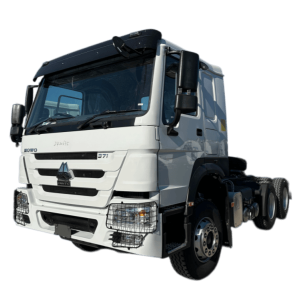
Overview
The global heavy-duty transport sector is facing overlapping pressures: volatile new truck prices, lengthy lead times for new vehicle delivery, stricter carbon and sustainability regulations, and tighter fleet capital budgets. Many fleet managers are re-evaluating their asset procurement strategies, shifting focus from exclusively purchasing brand-new trucks toward high-quality remanufactured heavy vehicles. Remanufacturing is not a temporary cost-saving workaround. It is a structural industrial shift built around circular economy principles, controlled performance standards and measurable operational ROI. This page breaks down the core forces pushing reman trucks to become the mainstream choice for global fleets in the coming years.
Table of Contents
- Volatile New-Vehicle Supply Chains & Extended Lead Times
- Fleet Operators Prioritize Full-Lifecycle Cost Over Upfront Purchase Price
- Global ESG and Circular Economy Regulations Are Accelerating Adoption
- Industrial Reman Quality Standards Are Maturing Globally
- Market Demand Shifts Toward Flexible Asset Strategies
- Future Outlook: Reman as a Permanent Part of Heavy Transport Ecosystem
Volatile New-Vehicle Supply Chains & Extended Lead Times
Global heavy truck manufacturing is affected by component shortages, semiconductor constraints, logistics delays and fluctuating raw material costs. These factors make it harder for fleet operators to get new trucks quickly when projects or fleet expansion require immediate capacity. Remanufacturing provides a reliable alternative supply channel.
Stable, Fast Vehicle Delivery Cycles:
- Brand-new heavy trucks often require long lead times from order placement to final delivery.
- For urgent mining, infrastructure and haulage projects, waiting months for new vehicles can delay project schedules and create revenue losses.
- Standardized remanufacturing facilities maintain ready stock of rebuilt heavy trucks, with much shorter delivery timelines, helping fleets deploy working equipment rapidly.
Reduced Exposure to Raw Material Price Swings:
- New truck production consumes massive amounts of steel, aluminum, rubber and electronic components.
- Prices of these raw materials fluctuate constantly and directly push up the factory price of brand-new vehicles.
- Remanufacturing reuses qualified chassis, engine blocks and axle housings, lowering reliance on virgin raw materials and insulating buyers from extreme price volatility in the primary manufacturing market.
Decentralized Industrial Capacity for Aftermarket Assets:
- Standardized remanufacturing is built on the existing global stock of heavy trucks already in service.
- As the global fleet of used heavy vehicles grows, the raw material pool for remanufacturing continuously expands.
- This creates a localized, scalable asset supply that does not depend entirely on large OEM factory production schedules.
Fleet Operators Prioritize Full-Lifecycle Cost Over Upfront Purchase Price
Traditional procurement logic often only compares the sticker price of new trucks. Today’s professional fleet finance teams analyze total cost of ownership over the whole service life. Remanufactured heavy trucks deliver strong performance with far lower capital outlay, reshaping purchasing decisions.
Lower Capital Expenditure for Fleet Expansion:
- Purchasing brand-new heavy trucks locks up huge amounts of working capital.
- Reman trucks with OEM-level performance cost substantially less upfront.
- Fleet owners can deploy more operating vehicles with the same budget, increase transport capacity and improve cash flow for daily operations, fuel and maintenance.
Predictable Operating Costs and Reduced Sudden Breakdown Risk:
- Standardized remanufacturing resets the lifecycle of core assemblies.
- High-wear parts are replaced or rebuilt and tested before delivery.
- Compared with ordinary used trucks with unknown internal wear, properly reman trucks reduce unplanned downtime and unexpected repair bills, making long-term fleet budgeting far more predictable.
Controlled Depreciation Curve:
- Brand-new heavy trucks suffer steep depreciation immediately after leaving the factory.
- Reman trucks avoid this sharp initial depreciation drop.
- When fleets later resell or reallocate assets, reman units maintain a more stable residual value, lowering total asset loss over the holding period.
Global ESG and Circular Economy Regulations Are Accelerating Adoption
Governments, financiers and large project owners worldwide are tightening sustainability requirements for heavy vehicle fleets. Carbon reporting, emissions targets and circular economy policies are no longer optional marketing points, but hard compliance requirements for many contractors and transport companies.
Lower Embodied Carbon Compared with New Truck Manufacturing:
- Manufacturing a new heavy truck consumes enormous energy and generates significant carbon emissions.
- Remanufacturing preserves the value of existing metal structures and major castings, cutting greenhouse gas emissions dramatically.
- For fleets required to submit carbon audit reports, reman vehicles directly reduce scope 3 carbon footprints.
Circular Economy Policy Support Across Regions:
- Many countries are introducing policies to encourage industrial remanufacturing, including tax incentives, industry standards and regulatory recognition for remanufactured components and vehicles.
- These policies create a more favorable operating environment and gradually standardize the reman industry, boosting buyer confidence.
Green Tender Qualification for Large Infrastructure Projects:
- More international tenders for mining, road construction and logistics projects now include sustainability evaluation criteria.
- Fleets operating remanufactured trucks can demonstrate circular economy practices, improving their competitiveness in bidding for large contracts.
Industrial Reman Quality Standards Are Maturing Globally
One of the biggest historical barriers to reman adoption was inconsistent quality and confusion between low-grade refurbishment and standardized remanufacturing. This situation is changing rapidly as standardized reman workflows, testing protocols and industry certification systems develop.
Standardized OEM-Level Rebuild & Testing Protocols:
- Leading remanufacturers adopt full disassembly, precision inspection, component life assessment and bench plus road testing to restore vehicles to OEM performance.
- These repeatable industrial processes turn reman from a workshop repair activity into controlled mass production.
Traceable Records and Formal Warranty Systems Gain Acceptance:
- Modern genuine reman trucks come with documented inspection records, parts replacement logs and written warranty coverage for core assemblies.
- Transparent documentation reduces buyer risk and builds trust with fleet purchasing and maintenance teams.
Wider Industry Recognition of Reman as a Legitimate Asset Class:
- Banks, leasing firms and insurance providers are increasingly familiar with reman trucks.
- Financing and insurance products tailored for reman vehicles are becoming more accessible, removing major financial barriers for fleet buyers.
Market Demand Shifts Toward Flexible Asset Strategies
Modern heavy transport and construction projects are often project-based and cyclical. Many fleets no longer want to permanently own a large fleet of brand-new trucks for short-term contracts. Remanufactured trucks fit perfectly into flexible asset strategies.
Ideal for Short-Term Project Deployment:
- For time-limited infrastructure, mining or haulage contracts, buying expensive new trucks is economically inefficient.
- High-quality reman trucks deliver reliable performance during the project term without over-committing capital to long-term asset ownership.
Supports Mixed Fleet Strategy:
- Fleet managers can build hybrid fleets combining new trucks for long-haul core routes and reman trucks for heavy-duty, short-cycle construction or site transport.
- This optimizes asset allocation, balances risk and maximizes overall fleet profitability.
Growing Global Awareness and Market Education:
- Buyers are gradually learning to distinguish standardized truck remanufacturing from simple cosmetic refurbishment.
- As educational content and case studies spread across the industry, misconceptions fade and more buyers understand the value proposition of true reman trucks.
Future Outlook: Reman as a Permanent Part of Heavy Transport Ecosystem
The drivers supporting standardized remanufacturing are long-term structural trends rather than temporary market fluctuations. Looking ahead, reman will become a permanent, mainstream pillar within the heavy-duty vehicle ecosystem.
Continuous Technology Improvement for Reman Inspection & Rebuilding:
- Non-destructive testing, additive repair technology and digital component lifecycle tracking will further lift reman quality and precision, narrowing any remaining performance gaps between reman and new vehicles.
Expanding Global Aftermarket Service Networks:
- As reman sales volume grows, dedicated service networks, spare parts supply chains and technician training systems will mature.
- Better aftersales support will further reduce operational concerns for fleet operators.
Remanufacturing Aligns With Long-Term Global Decarbonization Goals:
- The world’s push toward resource conservation and carbon reduction will continue favoring circular industrial models.
- Heavy truck remanufacturing will remain a core practical solution for sustainable heavy transport for decades to come.