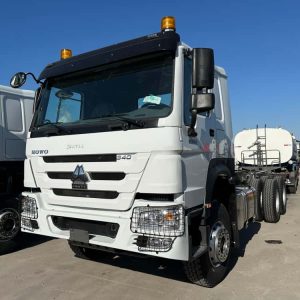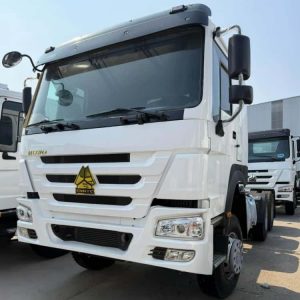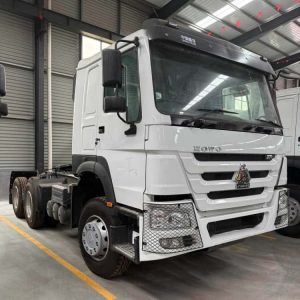
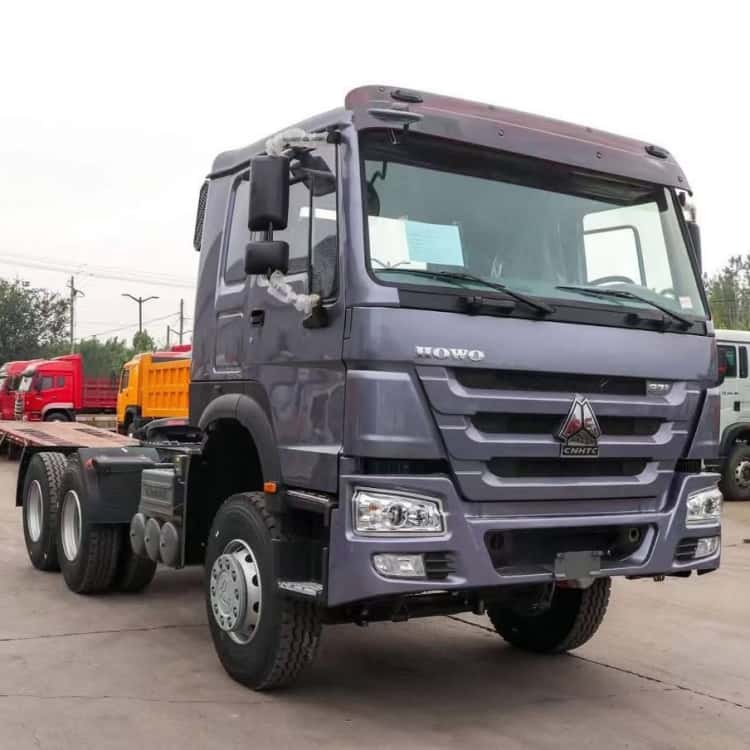
Reman Howo Tractor Truck 6×4 371
REMAN ROAD industrial reman tractor truck follows unified quality gate rules, unlike random second-hand trucks with unknown maintenance records. The finished tractor passes multi-condition road load tests before handover.
Reman Diesel Truck for Sale Description
- The industrial reman tractor truck is purpose-built to showcase scenario-customized reman engineering for harsh operating environments.
- During reman, we upgrade sealing assemblies, multi-stage air filtration and cooling capacity based on high dust, high temperature and steep slope site conditions.
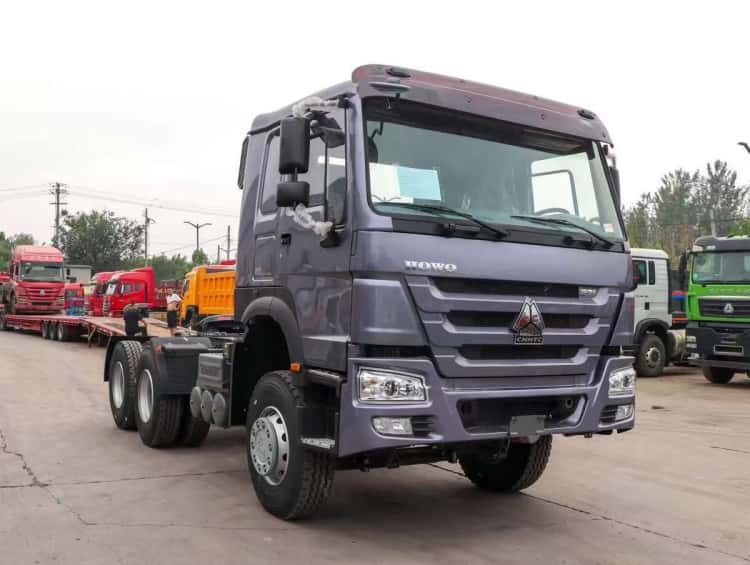
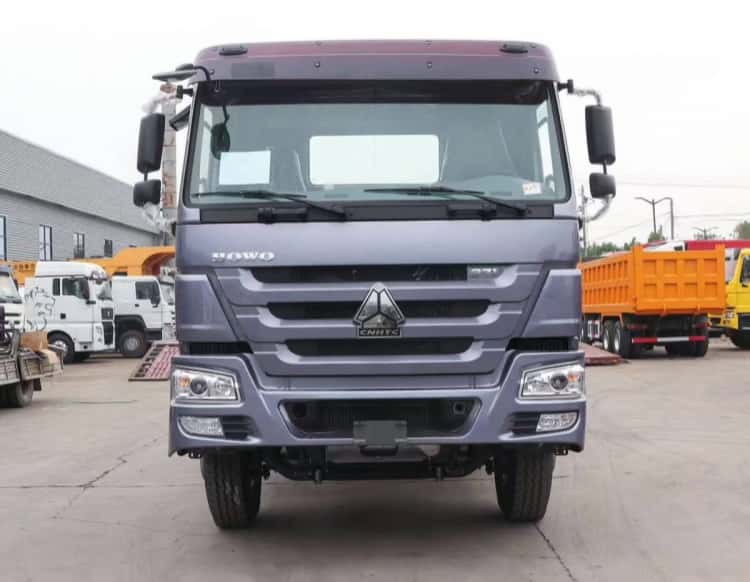
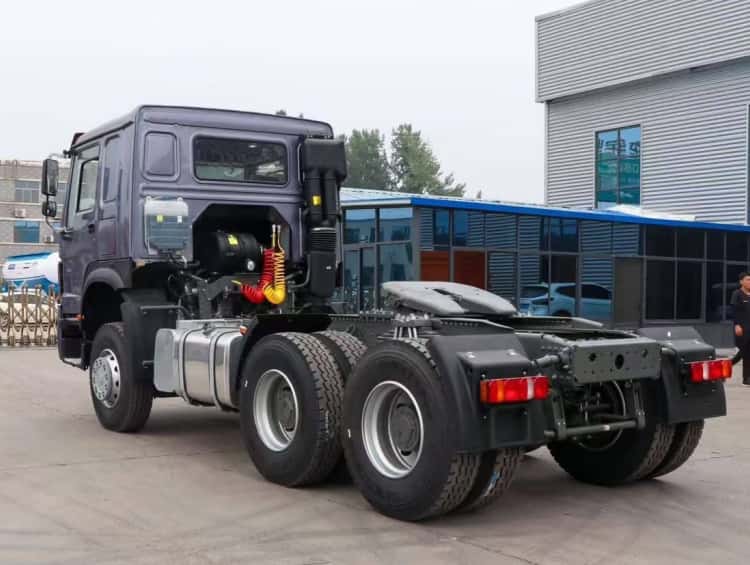
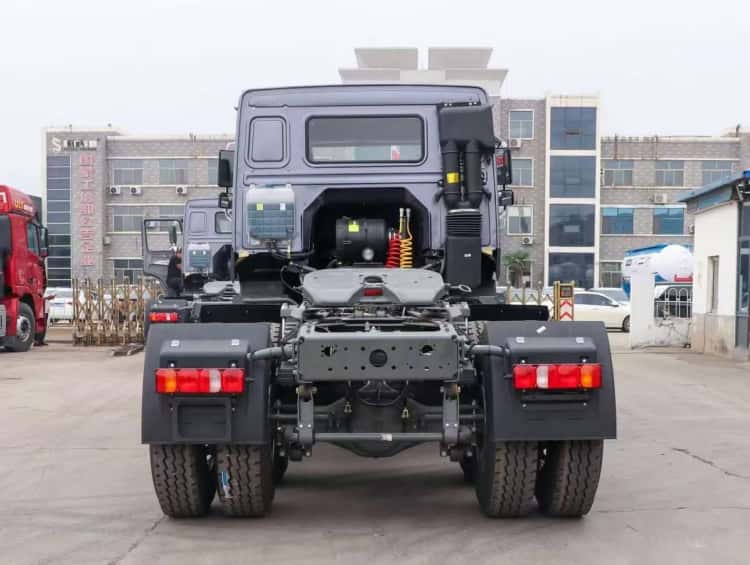
- This reman Howo 371 truck tractor teaches fleet maintenance teams how targeted reman modifications extend service intervals for filters, lubricants and wearing components, directly cutting maintenance frequency and total operational cost on mine and construction sites.
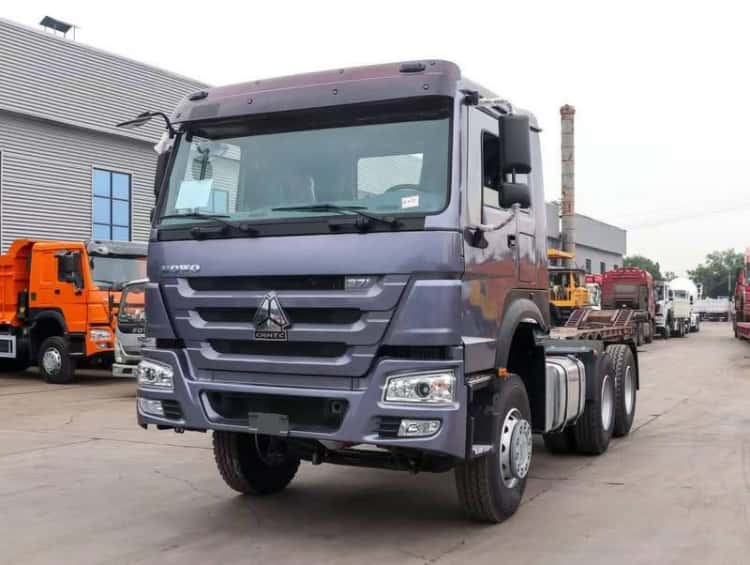
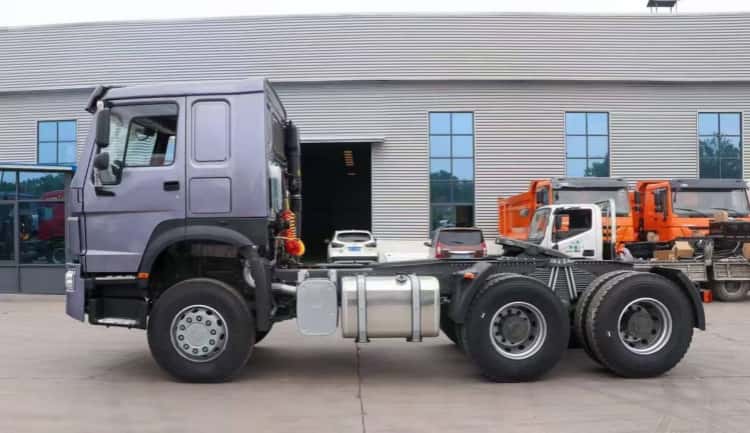
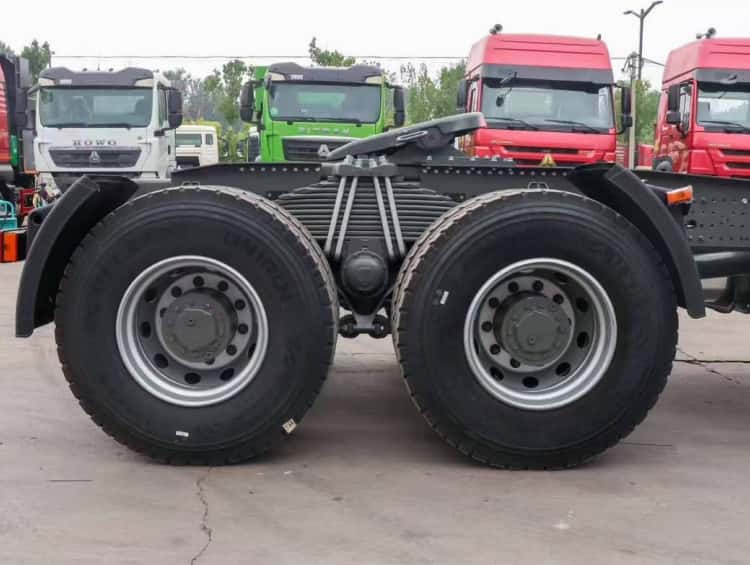
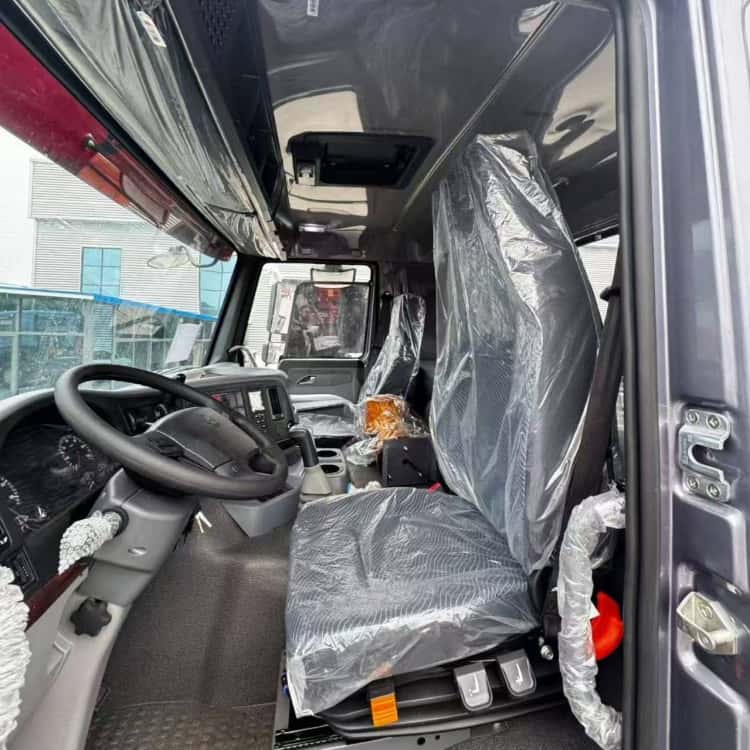
Technical Parameter Table
- Model: Reman Howo 371 Truck Tractor 6×4
- Driving Type: 6×4 (10 wheels: 2 steering + 8 driving)
- Cabin: Original Howo classic cabin, remanufactured interior & exterior, safety structure fully inspected
- Engine: Fully remanufactured diesel engine 371HP, completed professional bench calibration test
- Transmission: Reman manual transmission, full disassembly, gear & bearing inspection and replacement
- Drive Axle: Reman heavy-duty double rear axle, NDT crack detection, bearing & seal renewed
- Chassis Frame: Original frame, NDT inspection, stress relief, local structural repair as required
- Braking System: Full reman air brake system, all valves and chambers renewed, performance bench tested
- Fuel Tank: Reman fuel tank, internal cleaning & leak test, anti-corrosion treatment
- Steering System: Reman steering gear, oil seal replacement, functional road test
- Tire Configuration: Brand-new heavy-duty radial tires 12R22.5, adapted for heavy-load and rough-road scenarios
- Reman Standard: REMAN ROAD global certified industrial reman specification
The Value of Traceability in Industrial Reman Tractor Truck
- Every REMAN ROAD verified reman truck head carries a complete digital traceability archive, including original VIN history, incoming vehicle assessment report, full disassembly log, NDT inspection results, component grading & replacement list, powertrain bench test data and final road test records.
- Traceability eliminates information asymmetry, which is the biggest pain point of traditional used heavy equipment markets. Buyers no longer rely on seller verbal description to judge vehicle condition. Every critical action in reman process has recorded proof.
- Traceability archives support asset management for fleets. Maintenance teams can reference component replacement history to design service schedules, and finance teams can use the documents for asset valuation and accounting.
- Traceability also protects resale value. When fleets exit the asset after project completion, the next buyer can review the full reman record. This builds trust and enables faster transactions at higher residual value.
- Traceability is not optional accessory for reman. It is a core requirement of REMAN ROAD reman standard. Rebuilt vehicles without complete, auditable records cannot be recognized as verified reman truck.
Reman Braking System Rebuild Standards & Safety Logic
- The braking system is the primary safety system for heavy tractors. In reman workflow, the entire air brake system is fully disassembled instead of only replacing broken parts. Air valves, brake chambers, slack adjusters, S-cams and air pipelines are all inspected individually.
- Brake drums and brake linings are measured for thickness. Any part exceeding wear limits will be replaced. All sealing elements such as gaskets and rubber seals are renewed, to prevent slow air leaks over operation time.
- After reassembly, the whole air brake system undergoes pressure holding testing to detect hidden leaks. Then load braking tests validate stopping distance, brake balance across axles and emergency braking response.
- Reman braking standards define strict pass/fail thresholds. If brake performance fails to reach factory specification, the tractor cannot proceed to final delivery.
- This rebuild process demonstrates that reman prioritizes passive safety. Even if the original brake parts still work, aging rubber and metal components are renewed to eliminate gradual failure risks during heavy load operation.
RFQ
- Q1: How much carbon emission can remanufacturing save compared with manufacturing a brand-new heavy tractor?
A: Heavy vehicle manufacturing consumes massive steel, casting raw materials and industrial energy. Reman reuses qualified base chassis and components, cutting raw material processing emissions significantly. Carbon saving data for each reman unit is recorded in its traceability document. - Q2: How can enterprises use reman fleet assets for ESG reporting?
A: Every industrial reman tractor truck has documented raw material saving and carbon reduction data. These records can be directly quoted in corporate sustainability reports to demonstrate circular economy practice. - Q3: Does remanufacturing reduce industrial waste?
A: Yes. Qualified components are reused instead of scrapped. Only failed parts are recycled as scrap metal, greatly lowering solid waste output compared with producing brand-new heavy vehicles. - Q4: What social value does standardized reman bring to heavy transport industry?
A: It builds trust in the second-life heavy asset market, reduces unsafe uninspected heavy trucks operating on worksites, and provides affordable reliable transport assets for infrastructure projects in emerging economies. - Q5: What is the difference between reman circular economy logic and simple vehicle recycling?
A: Recycling breaks the vehicle down into raw materials such as scrap steel. Reman retains the original asset structure and restores its function for continued use. Reman preserves the embedded manufacturing energy already invested in the base vehicle. - Q6: Will remanufacturing compete against the new vehicle manufacturing industry?
A: It is complementary rather than competitive. Reman targets fixed-cycle mid-term projects. New heavy trucks remain the best option for permanent long-running fleets. Reman expands the whole heavy asset ecosystem. - Q7: What barriers stop the reman industry from developing faster globally?
A: The primary barrier is lack of unified standards and transparent verification systems. Information asymmetry makes buyers distrust industrial reman tractor truck. REMAN ROAD’s standard framework aims to solve this trust gap and promote market development.