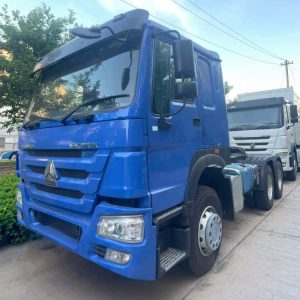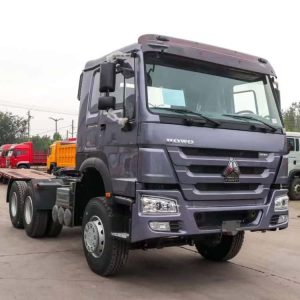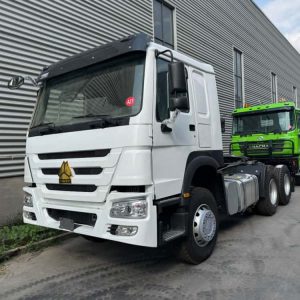
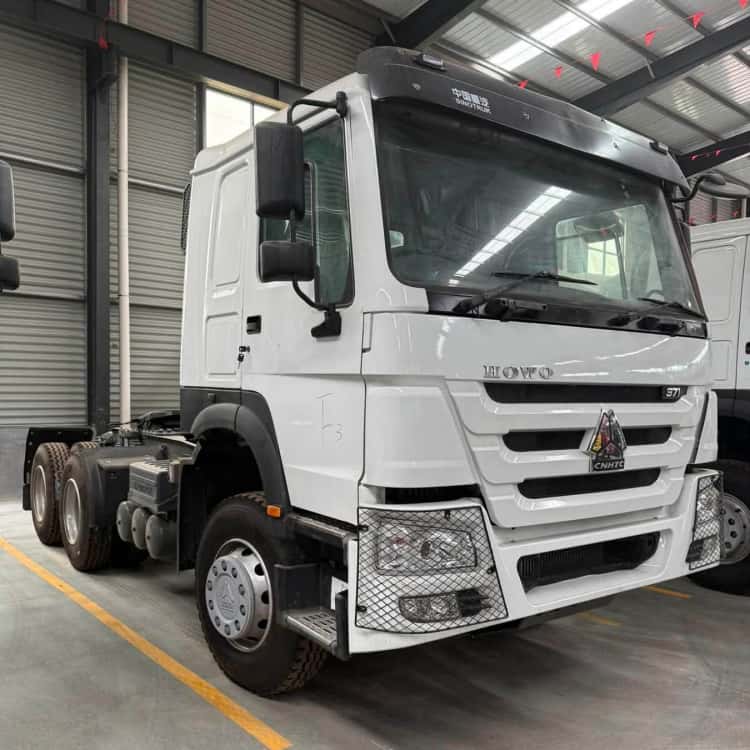
Reman Howo 6×4 371 Tractor Unit
REMAN ROAD reman Howo tractor unit receives targeted upgrades for high dust, steep slope and poor road environments during reman. It demonstrates scenario-based reman engineering: modifying sealing, filtration and cooling systems to extend service intervals for fleets operating in harsh African and emerging-market worksites.
Reman Howo Tractor Unit Description
- Mid-term construction and mining projects commonly run for 2 to 5 years, matching the lifecycle of REMAN ROAD certified reman tractor unit perfectly.
- This reman Howo 6×4 tractor unit demonstrates the full lifecycle logic of reman fleet management: deploy assets at project launch, operate through the construction phase, and exit the asset with proven residual value after project completion.
- Reman tractor unit for sale avoids capital lockup and uncertain resale risks that trouble fleets using traditional used heavy trucks.

Technical Parameter Table
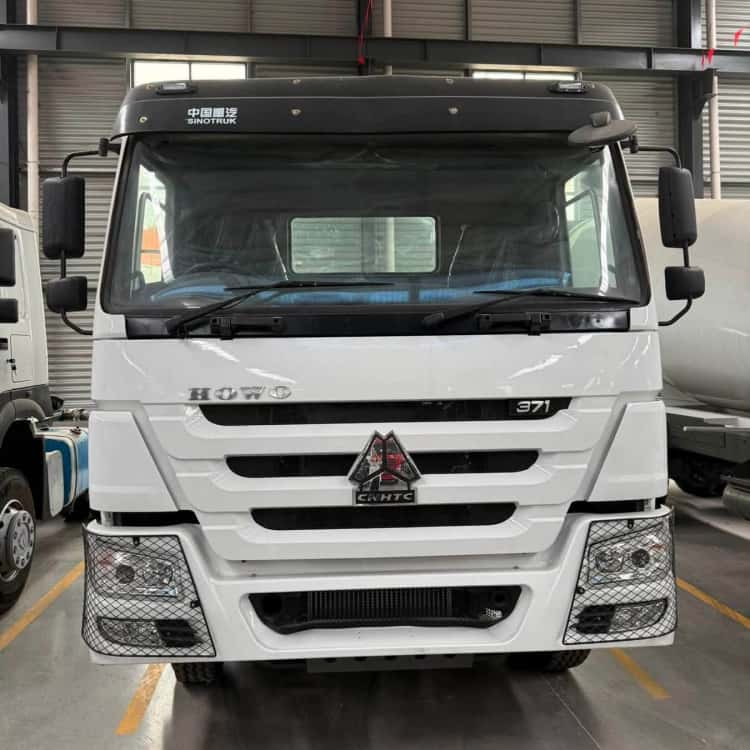
- Model: Reman Howo Tractor Unit 6×4 371
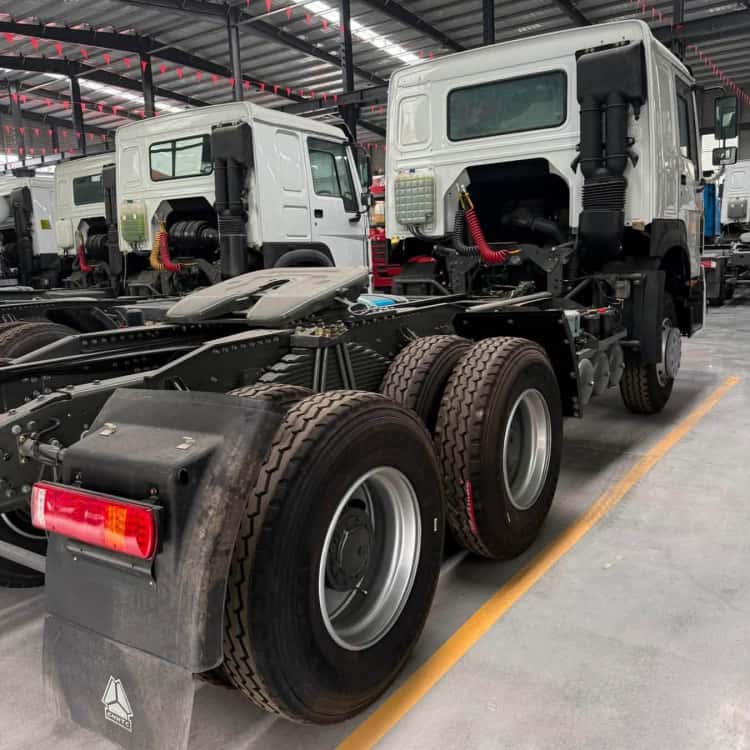
- Driving Type: 6×4 (10 wheels: 2 steering + 8 driving)
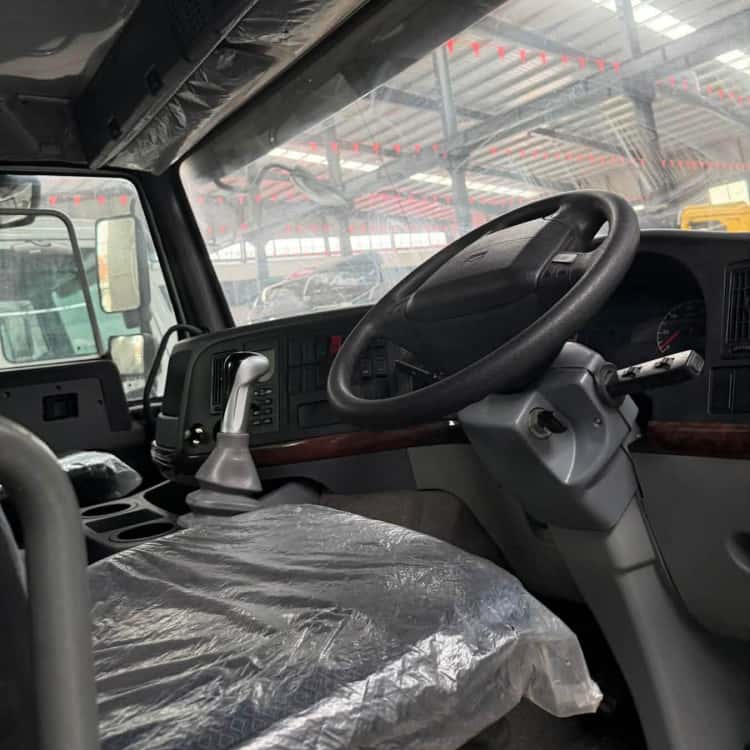
- Cabin: Original Howo classic cabin, remanufactured interior & exterior, safety structure fully inspected
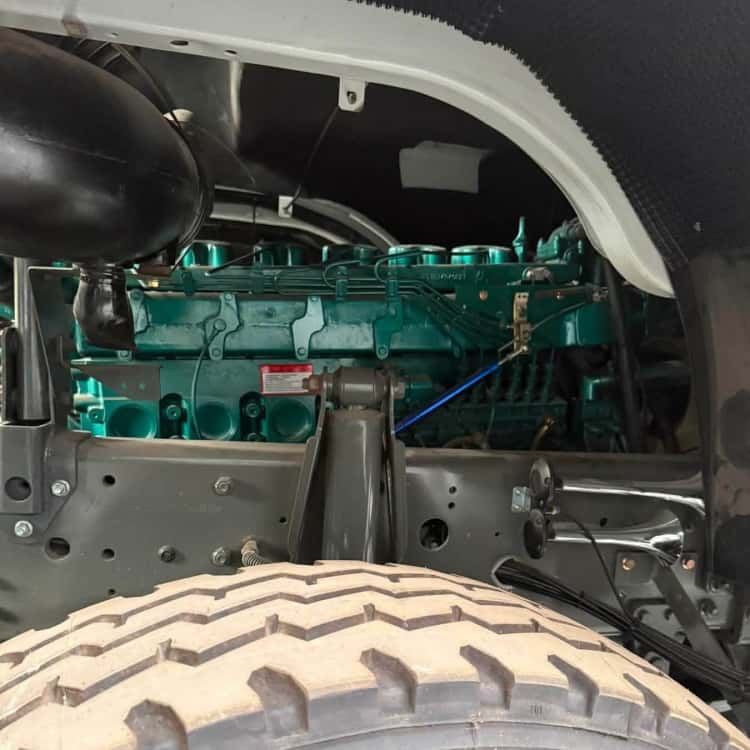
- Engine: Fully remanufactured diesel engine 371HP, completed professional bench calibration test
- Transmission: Reman manual transmission, full disassembly, gear & bearing inspection and replacement
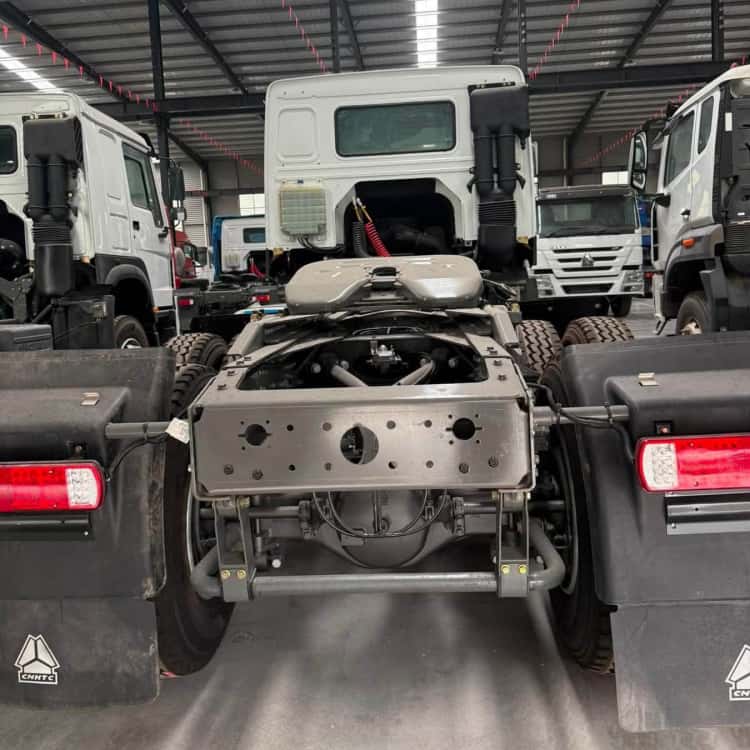
- Drive Axle: Reman heavy-duty double rear axle, NDT crack detection, bearing & seal renewed
- Chassis Frame: Original frame, NDT inspection, stress relief, local structural repair as required
- Braking System: Full reman air brake system, all valves and chambers renewed, performance bench tested
- Fuel Tank: Reman fuel tank, internal cleaning & leak test, anti-corrosion treatment
- Steering System: Reman steering gear, oil seal replacement, functional road test
- Tire Configuration: Brand-new heavy-duty radial tires 12R22.5, adapted for heavy-load and rough-road scenarios
- Reman Standard: REMAN ROAD global certified industrial reman specification
Comparison: Certified Reman Tractor Unit vs Brand-New Tractors
- Brand-new heavy tractors carry high upfront capital cost. For mid-term 2–5 year projects, heavy depreciation hits new vehicles immediately after commissioning, creating large capital loss when assets are retired after project completion.
- Certified reman tractor unit restore assets to near-new performance, with procurement cost far lower than new units. The same original vehicle platform and spare parts ecosystem remain, so maintenance teams do not need to learn unfamiliar equipment.
- New trucks have long production lead times, while qualified reman assets can be deployed faster, helping fleets start projects without waiting for long factory delivery schedules.
- The sustainability gap is another key difference. Manufacturing a brand-new heavy truck consumes massive raw materials and energy. Remanufacturing reuses the original chassis and many qualified components, cutting carbon emissions significantly.
- New vehicles are ideal for long-term permanent fleet operation, while certified reman tractor unit is better matched for fixed-cycle mid-term projects. This comparison helps fleet planners select the right asset type based on project timeline, budget and exit strategy.
Suitable Working Scenarios & Limitations of Reman Tractor Unit
- Mining and quarry haulage is one classic applicable scenario. Reman tractor unit for sale upgrades to filtration and sealing solve high dust, heavy payload and rough road challenges, making certified reman tractors a practical asset option for mine fleets.
- Construction site logistics is another major use case. Sites have mixed paved/unpaved terrain, frequent start-stop cycles and variable payload. Standard reman 6×4 tractor unit can reliably handle these fluctuating working conditions.
- Regional long-haul transport also fits reman tractor unit use. Reman-calibrated engine fuel efficiency delivers stable running cost for continuous highway hauling.
Understanding both applicable scenarios and limitations helps industry practitioners avoid misapplication of reman tractor unit, and build reasonable expectations of reman tractor unit for sale performance and service life.
RFQ
- Q1: How much carbon emission can remanufacturing save compared with manufacturing a brand-new heavy tractor?
A: Heavy vehicle manufacturing consumes massive steel, casting raw materials and industrial energy. Reman reuses qualified base chassis and components, cutting raw material processing emissions significantly. Carbon saving data for each reman unit is recorded in its traceability document. - Q2: How can enterprises use reman fleet assets for ESG reporting?
A: Every reman tractor unit for sale has documented raw material saving and carbon reduction data. These records can be directly quoted in corporate sustainability reports to demonstrate circular economy practice. - Q3: Does remanufacturing reduce industrial waste?
A: Yes. Qualified components are reused instead of scrapped. Only failed parts are recycled as scrap metal, greatly lowering solid waste output compared with producing brand-new heavy vehicles. - Q4: What social value does standardized reman bring to heavy transport industry?
A: It builds trust in the second-life heavy asset market, reduces unsafe uninspected heavy trucks operating on worksites, and provides affordable reliable transport assets for infrastructure projects in emerging economies. - Q5: What is the difference between reman circular economy logic and simple vehicle recycling?
A: Recycling breaks the vehicle down into raw materials such as scrap steel. Reman retains the original asset structure and restores its function for continued use. Reman preserves the embedded manufacturing energy already invested in the base vehicle. - Q6: Will remanufacturing compete against the new vehicle manufacturing industry?
A: It is complementary rather than competitive. Reman targets fixed-cycle mid-term projects. New heavy trucks remain the best option for permanent long-running fleets. Reman expands the whole heavy asset ecosystem. - Q7: What barriers stop the reman industry from developing faster globally?
A: The primary barrier is lack of unified standards and transparent verification systems. Information asymmetry makes buyers distrust reman tractor unit for sale. REMAN ROAD’s standard framework aims to solve this trust gap and promote market development.