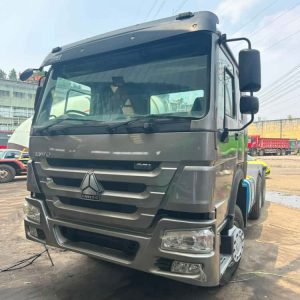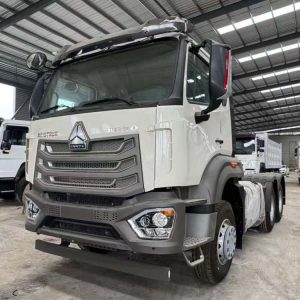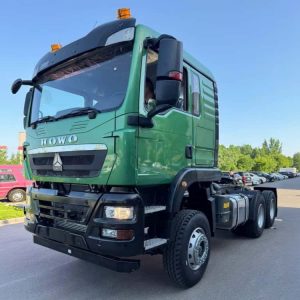
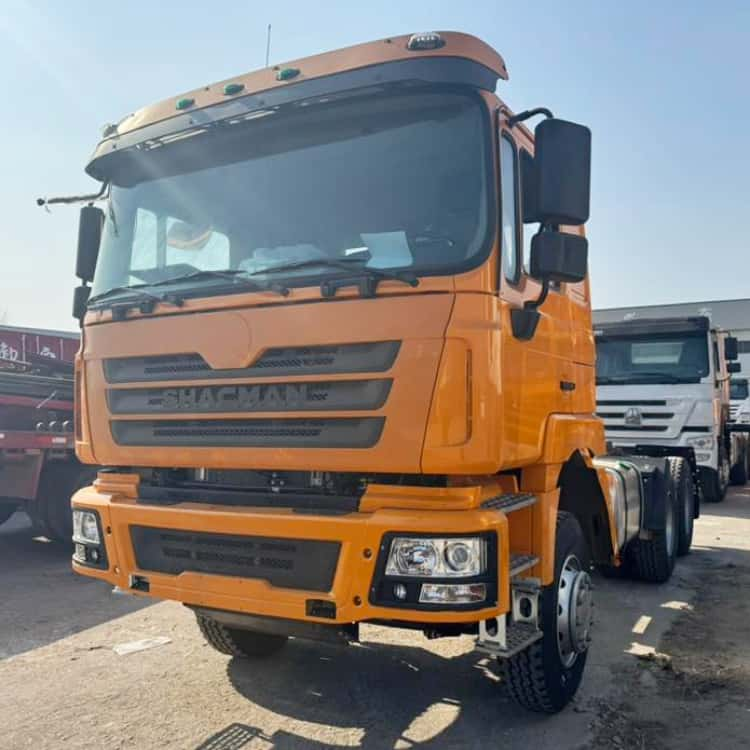
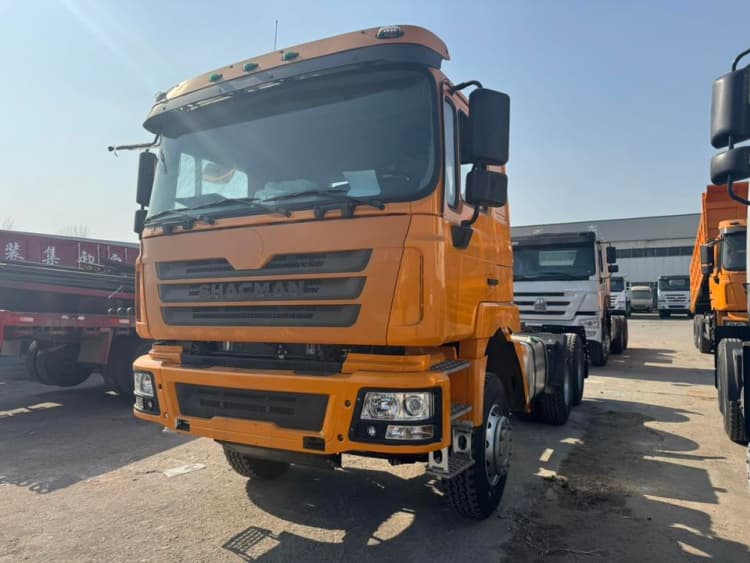
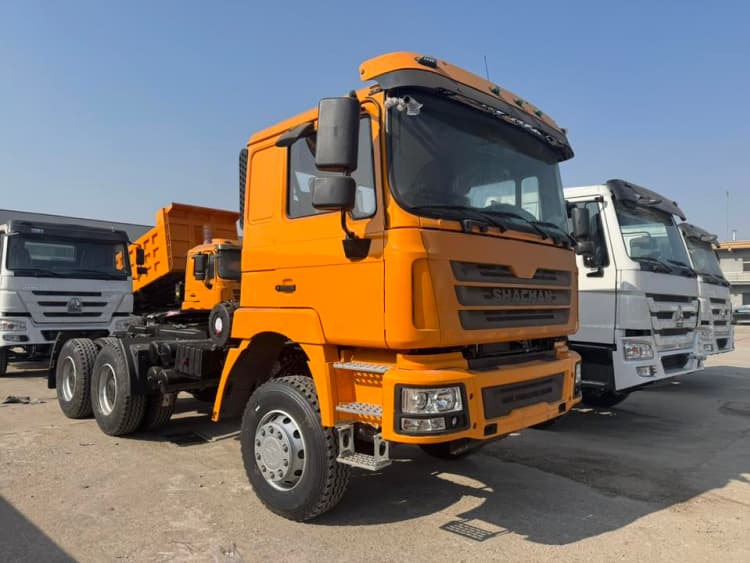
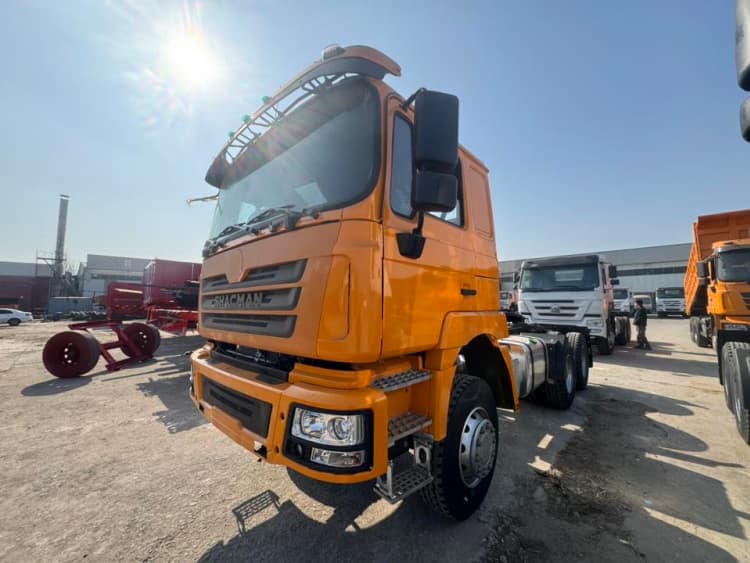
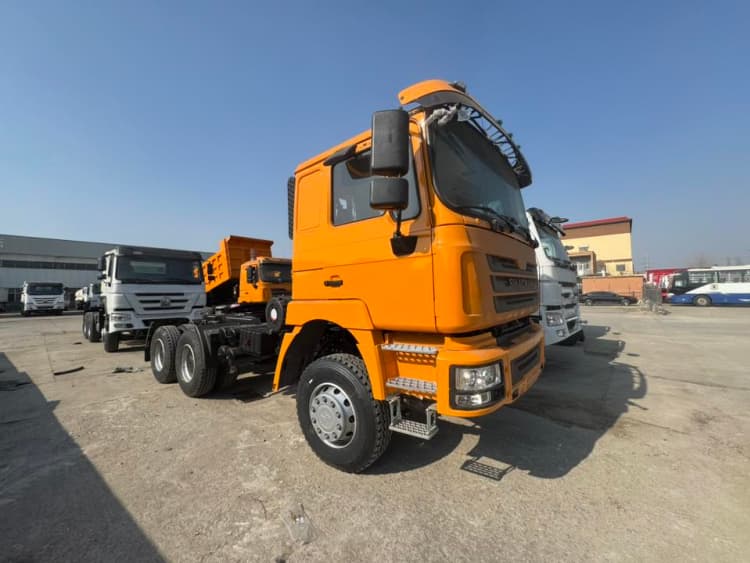
Reman SHACMAN F3000 6×4 Tractor Head
REMAN ROAD reman SHACMAN F3000 truck goes through full teardown and component‑level screening. Fatigue‑limited parts are mandatorily replaced, and reassembled units complete performance verification. It preserves the F3000’s well‑proven chassis robustness while resetting overall asset service life for real‑world fleet deployment.
Reman Tractor Head 6×4 Description
- Distinguished from ordinary repair work, our remanufacturing process for SHACMAN F3000 assess every single mechanical part instead of only fixing known faults.
- Critical load‑bearing structures are checked for deformation and metal fatigue, aging consumables get full renewal, and finished reman SHACMAN tractor head for sale pass multi‑item performance tests, delivering robust heavy‑haul capability for fleets operating on complex highway transport routes.
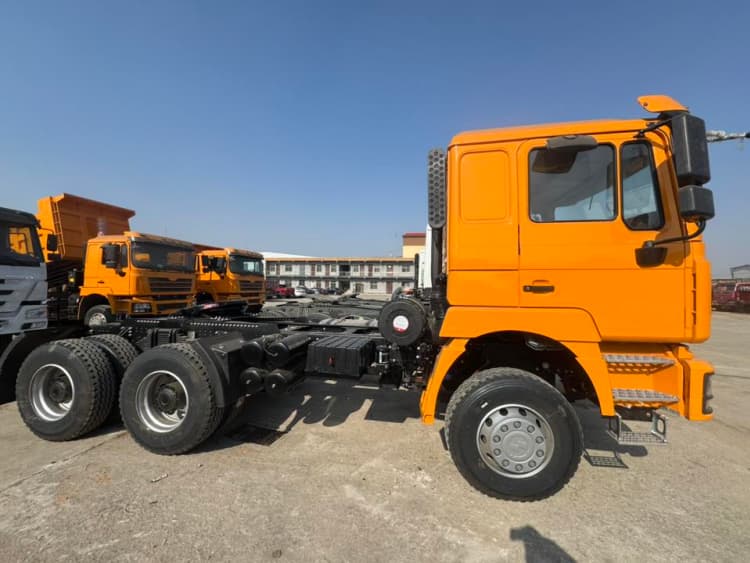
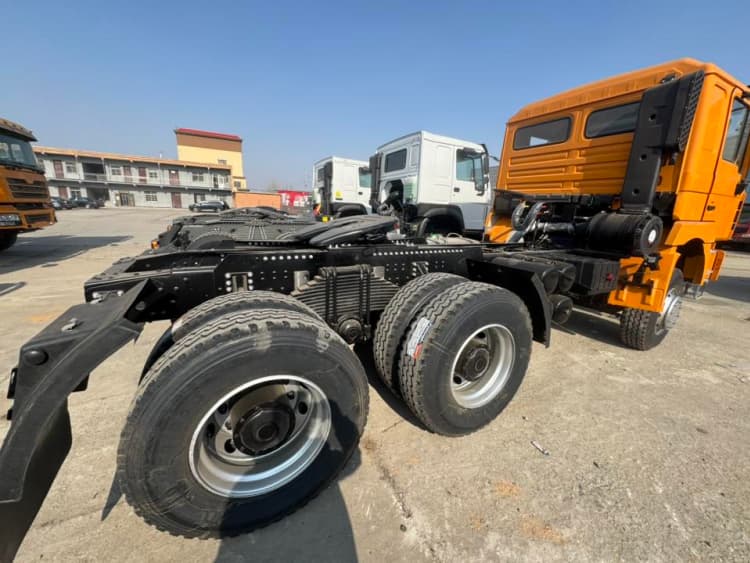
Technical Parameter Table
- Model: Reman SHACMAN F3000 Truck Tractor 6×4
- Cabin: SHACMAN F3000 standard sleeper cabin, reman‑refurbished, structural integrity fully inspected
- Engine: Remanufactured WP12 diesel engine, fully torn‑down, cleaned, measured, bench‑calibrated
- Transmission: Reman 12‑speed manual gearbox, friction components renewed, shift performance bench‑verified
- Front Axle: 7.5‑ton remanufactured steering axle, dimensional correction and wear inspection completed
- Rear Drive Axle: 16‑ton heavy‑duty reman tandem drive axles, gear sets inspected, fatigued bearings fully replaced
- Suspension System: Front leaf spring, rear multi‑leaf spring; aging rubber bushings and fasteners mandatorily renewed
- Brake System: Reman air brake system with ABS, all sealing elements replaced, brake performance validated
- Fifth Wheel: Standard 2‑inch kingpin fifth wheel, wear surface measured and refurbished or substituted
- Frame Condition: Main frame non‑destructive fatigue testing, micro‑crack & deformation screening performed
- Fuel Tank: Aluminum alloy fuel tank, interior cleaning and leak‑tightness inspection finished
- Tire Configuration: 12R22.5 heavy‑load radial tires
Remanufacturing vs Overhaul vs Refurbishment
Three terms are frequently mixed in heavy‑truck market; their workflow objectives and final asset status differ fundamentally.
- Remanufacturing: Full disassembly component‑by‑component, proactive fatigue‑part renewal, target asset‑life reset toward near‑new performance, mandatory bench & road validation.
- Overhaul: Only disassemble faulty assemblies, fix known breakdowns, objective is to restore basic drivability, no systematic full‑vehicle fatigue elimination.
- Refurbishment: Mainly exterior cleaning, painting and cosmetic fixes; internal assemblies stay largely untouched, inherited wear and fatigue risks remain completely.
- Traceability difference: Formal reman generates component inspection records; overhaul and simple refurbishment normally keep no standardized test documentation.
Key Advantages of Standard Remanufacturing
Standard reman creates multi‑dimensional value covering economy, safety and sustainability for heavy‑truck users.
- Optimized total‑cost‑of‑ownership: Obtain near‑new heavy‑haul performance without paying full new‑vehicle procurement expense.
- Controlled latent mechanical risk: Proactively resolve hidden component fatigue inherited from prior service cycle.
- Circular‑economy dividend: Reuse high‑value industrial assets, lower virgin material consumption and waste output.
- Verified driving safety: Safety‑critical assemblies go through systematic inspection and renewal before delivery.
- Flexible fleet asset expansion: Allow fleets to scale vehicle quantity without large‑scale one‑time capital investment.
RFQ
- Q: Under what exact conditions can a metal component be reused in SHACMAN F3000 remanufacturing?
A: Components can enter reuse only when dimensional measurement, non‑destructive fatigue inspection and hardness testing all meet OEM tolerance limits. Parts with micro‑cracks, permanent deformation or material aging will be eliminated directly, regardless of outward appearance. - Q: What proportion of parts can normally be reused in a formal reman SHACMAN tractor head?
A: Reuse ratio varies by component group. High‑value structural parts such as frame and cabin have relatively high qualified reuse rate; high‑stress rotating and friction parts have much lower reuse proportion, many must be replaced outright. - Q: Will reused reman components shorten the overall service life of the finished reman SHACMAN tractor head?
A: Qualified reused components are restored back to OEM‑defined tolerance ranges. When paired with mandatory replacement of fatigue‑limited consumables, reused parts will not shorten the reset full‑vehicle service cycle. - Q: How do you prevent mixed‑in of unqualified second‑hand parts during reman assembly?
A: Every component gets marked after inspection; disqualified pieces are physically segregated. Assembly only uses parts passing reman acceptance check, and key components leave traceable serial records. - Q: What is the difference between reman reused parts and second‑hand parts pulled directly from dismantled trucks?
A: Reman reused parts go through cleaning, testing, precision machining and qualification confirmation. Raw dismantled second‑hand parts have no standardized inspection, their internal fatigue status remains unknown. - Q: Can remanufacturing salvage components from severely collision‑damaged SHACMAN F3000 trucks?
A: Heavily collision‑damaged vehicles are excluded from formal reman workflows. Structural deformation and hidden micro‑cracks cannot be fully eliminated, even after surface repair. - Q: How do you handle components that pass dimension test yet show subtle material fatigue signs?
A: Any component showing detectable fatigue indicators will not be reused. Even if dimensions look acceptable, potential crack risk makes them unsuitable for heavy‑duty reman assembly.