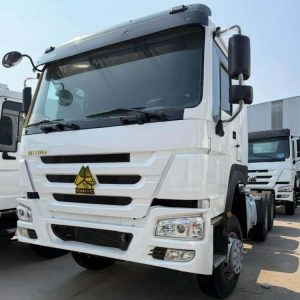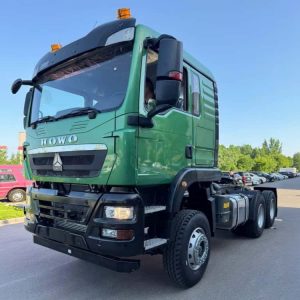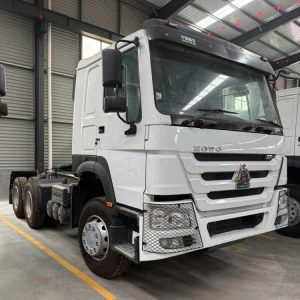
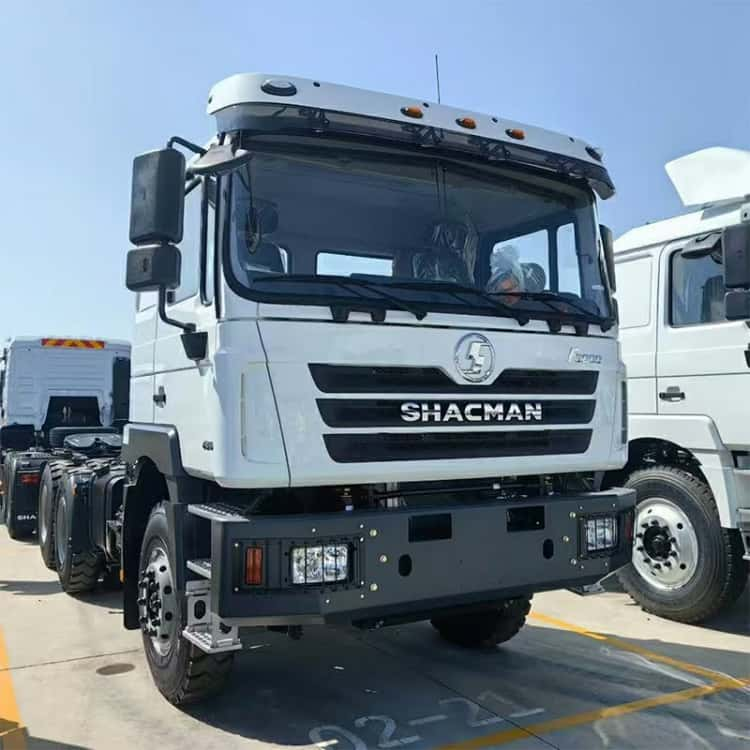
Reman SHACMAN F3000 Tractor Truck 6×4
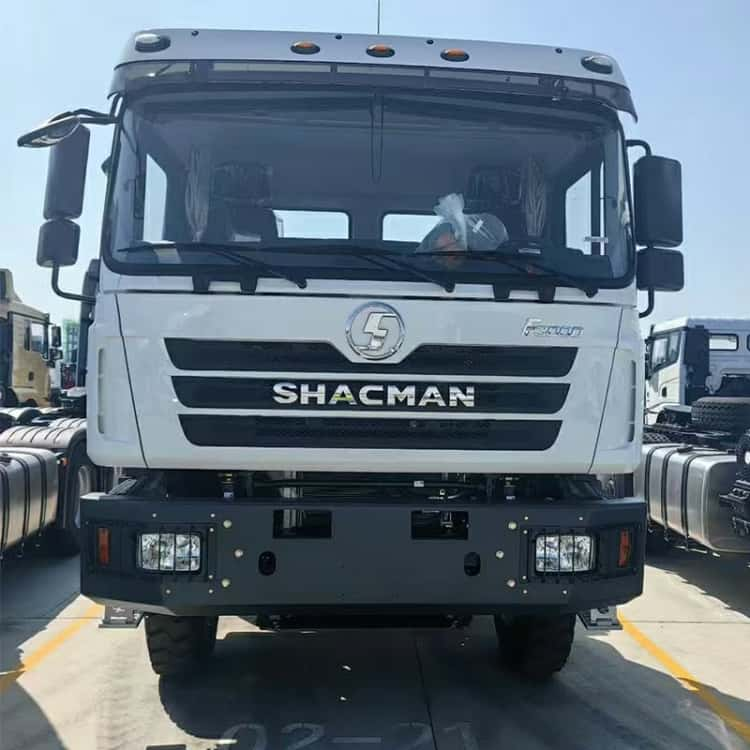
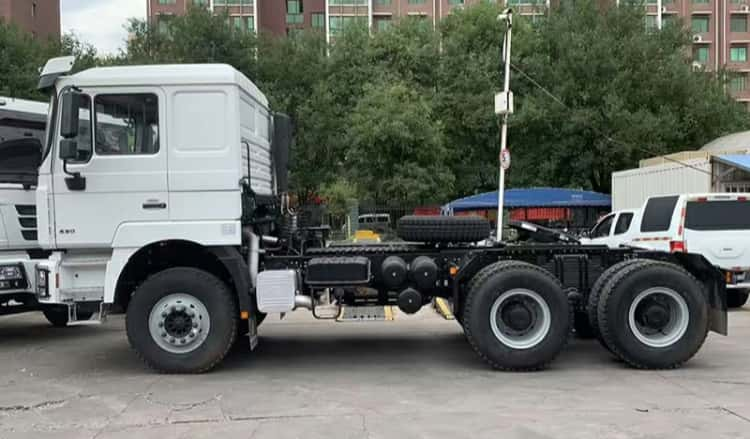
Built upon mature SHACMAN F3000 platform, REMAN ROAD certified reman SHACMAN truck head for sale prioritizes structural safety during asset‑life reset. Load‑bearing parts receive dimensional checking and precision restoration. It helps fleets expand vehicle fleets without the high capital outlay associated with purchasing brand‑new heavy‑duty tractors.
Certified Reman SHACMAN Truck F3000 Description
- Built on SHACMAN’s time‑tested F3000 heavy‑truck architecture, this reman SHACMAN truck head for sale strictly adheres to OEM technical specifications during rebuilding.
- Frame, cabin and high‑value assemblies are retained and restored, parts beyond tolerance thresholds are eliminated, and whole‑vehicle performance is calibrated, providing fleet buyers a sustainable alternative that balances reliability, capital expenditure and ESG compliance.
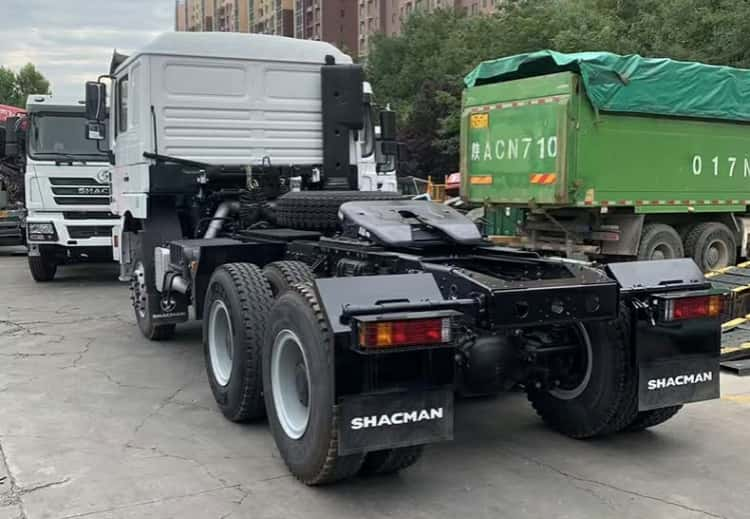
Technical Parameter Table
- Model: Certified Reman SHACMAN Truck F3000 6×4 Tractor Head
- Cabin: SHACMAN F3000 standard sleeper cabin, reman‑refurbished, structural integrity fully inspected
- Engine: Remanufactured WP12 diesel engine, fully torn‑down, cleaned, measured, bench‑calibrated
- Transmission: Reman 12‑speed manual gearbox, friction components renewed, shift performance bench‑verified
- Front Axle: 7.5‑ton remanufactured steering axle, dimensional correction and wear inspection completed
- Rear Drive Axle: 16‑ton heavy‑duty reman tandem drive axles, gear sets inspected, fatigued bearings fully replaced
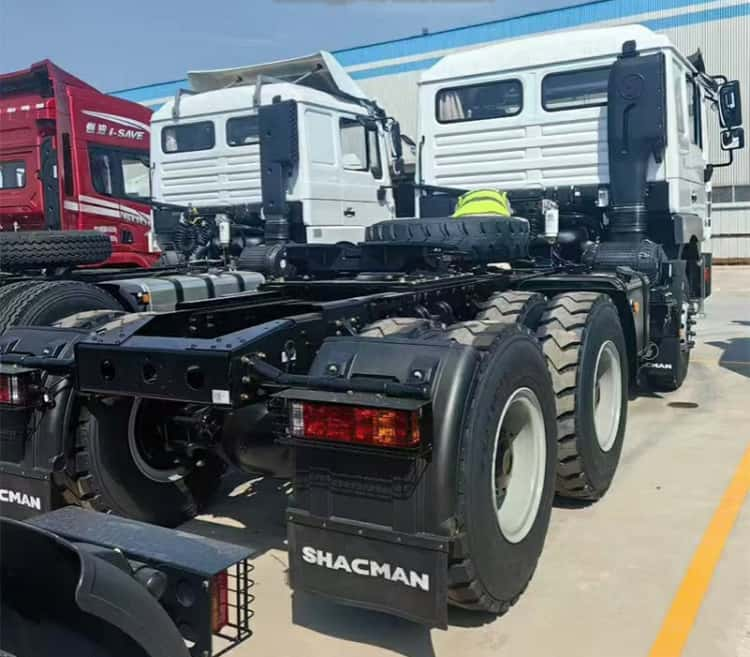
- Suspension System: Front leaf spring, rear multi‑leaf spring; aging rubber bushings and fasteners mandatorily renewed
- Brake System: Reman air brake system with ABS, all sealing elements replaced, brake performance validated
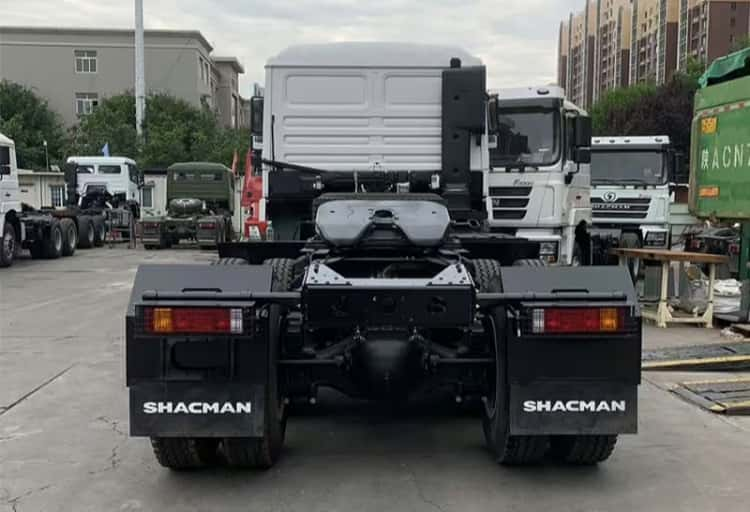
- Fifth Wheel: Standard 2‑inch kingpin fifth wheel, wear surface measured and refurbished or substituted
- Frame Condition: Main frame non‑destructive fatigue testing, micro‑crack & deformation screening performed
- Fuel Tank: Aluminum alloy fuel tank, interior cleaning and leak‑tightness inspection finished
- Tire Configuration: 12R22.5 heavy‑load radial tires
Current Global Status of Heavy‑Duty Remanufacturing Market
Heavy‑vehicle reman is growing globally, yet faces big challenges from inconsistent standards across regions.
- Market segmentation gap: Developed markets have relatively complete reman specification frameworks; many emerging markets lack unified local reman definitions.
- Label abuse problem: Many overhauled or cosmetically refurbished trucks are labelled “remanufactured”, confusing end‑user judgement.
- Uneven technical capacity: Qualified reman requires disassembly workshop, component testing equipment and technical personnel, thresholds cannot be easily met by small repair shops.
- Rising demand driven by circular‑economy policies: More logistics enterprises start evaluating reman assets for ESG compliance requirements.
- Industry consensus building underway: Industrial organisations are pushing for unified reman terminology to reduce market information asymmetry.
Future Development Trends for Heavy‑Vehicle Remanufacturing
Multiple driving forces will reshape heavy‑truck reman industry in coming years.
- Popularisation of unified reman terminology and baseline standards across cross‑border markets.
- Wider adoption of traceable digital records, recording component inspection and renewal throughout reman workflow.
- Non‑destructive fatigue‑detection technology will become standard procedure for structural component assessment.
- Fleet ESG procurement requirements will further boost demand for formally remanufactured heavy assets.
- Reman business will gradually separate from general repair shops, evolving into independent professional industrial service.
RFQ
- Q: Under what exact conditions can a metal component be reused in SHACMAN F3000 remanufacturing?
A: Components can enter reuse only when dimensional measurement, non‑destructive fatigue inspection and hardness testing all meet OEM tolerance limits. Parts with micro‑cracks, permanent deformation or material aging will be eliminated directly, regardless of outward appearance. - Q: What proportion of parts can normally be reused in a certified reman SHACMAN truck head?
A: Reuse ratio varies by component group. High‑value structural parts such as frame and cabin have relatively high qualified reuse rate; high‑stress rotating and friction parts have much lower reuse proportion, many must be replaced outright. - Q: Will reused reman components shorten the overall service life of the finished reman SHACMAN truck head?
A: Qualified reused components are restored back to OEM‑defined tolerance ranges. When paired with mandatory replacement of fatigue‑limited consumables, reused parts will not shorten the reset full‑vehicle service cycle. - Q: How do you prevent mixed‑in of unqualified second‑hand parts during reman assembly?
A: Every component gets marked after inspection; disqualified pieces are physically segregated. Assembly only uses parts passing reman acceptance check, and key components leave traceable serial records. - Q: What is the difference between reman reused parts and second‑hand parts pulled directly from dismantled trucks?
A: Reman reused parts go through cleaning, testing, precision machining and qualification confirmation. Raw dismantled second‑hand parts have no standardized inspection, their internal fatigue status remains unknown. - Q: Can remanufacturing salvage components from severely collision‑damaged SHACMAN F3000 trucks?
A: Heavily collision‑damaged vehicles are excluded from formal reman workflows. Structural deformation and hidden micro‑cracks cannot be fully eliminated, even after surface repair. - Q: How do you handle components that pass dimension test yet show subtle material fatigue signs?
A: Any component showing detectable fatigue indicators will not be reused. Even if dimensions look acceptable, potential crack risk makes them unsuitable for heavy‑duty reman assembly.