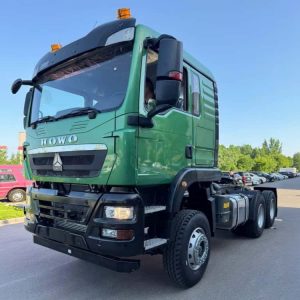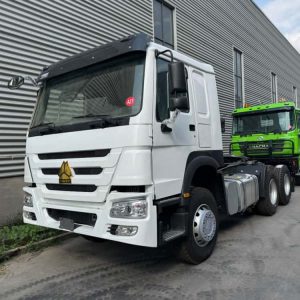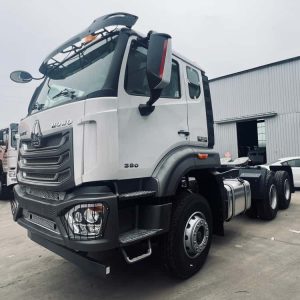
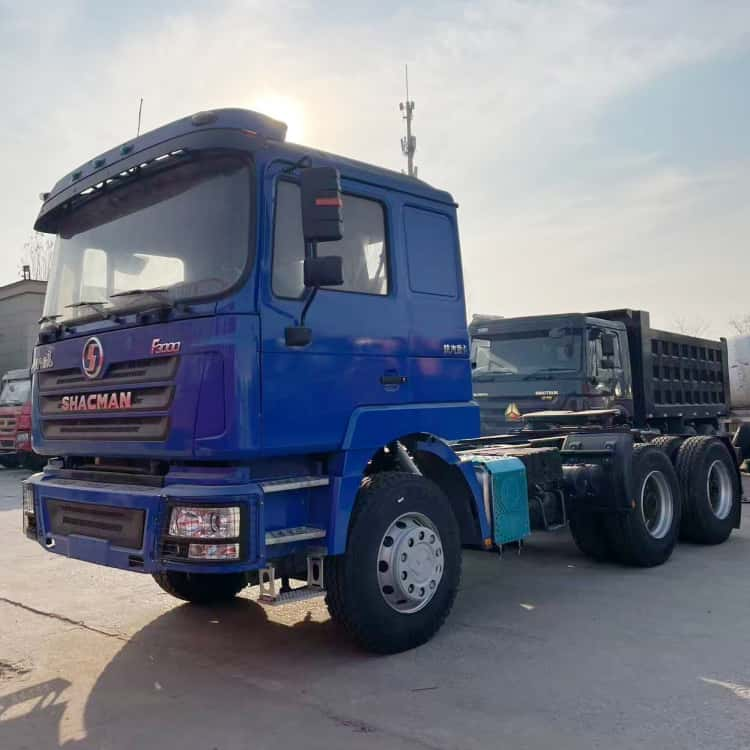
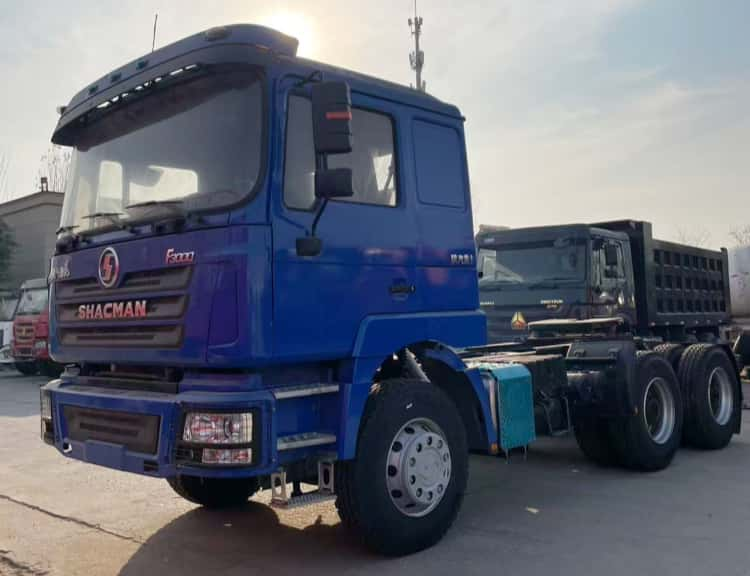
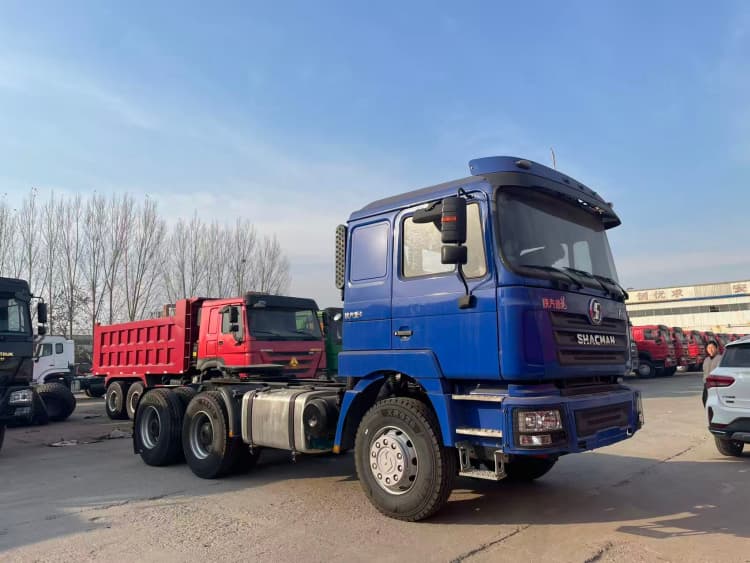
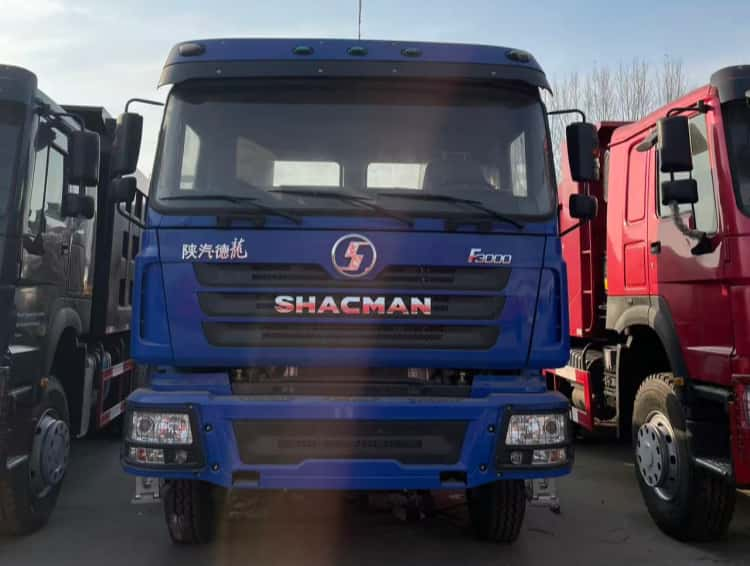
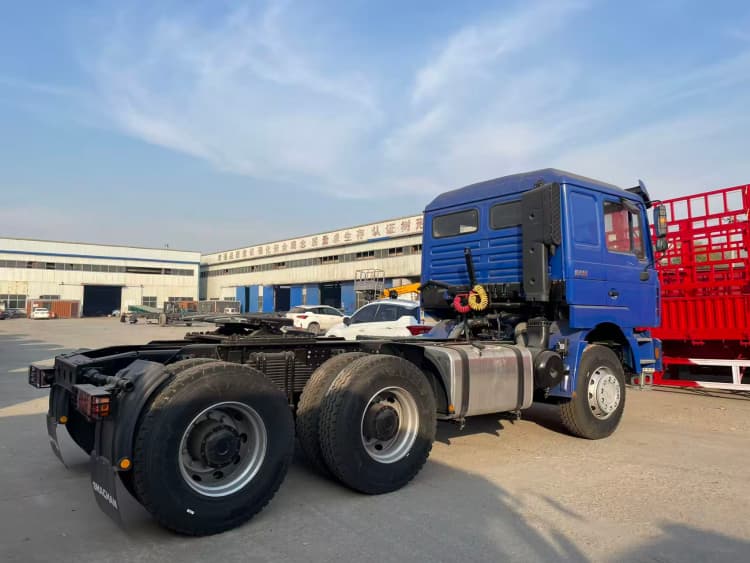
Reman SHACMAN F3000 6×4 Tractor Head
China reman SHACMAN F3000 tractor truck targets total‑cost‑of‑ownership optimisation for fleet managers. Standard reman reduces unexpected breakdown risks compared with used trucks, balancing upfront investment and long‑term operational stability for bulk‑cargo transport.
China Reman SHACMAN Truck for Sale Description
- Informal market refurbishment often focuses only on exterior appearance, ignoring internal component fatigue; China reman SHACMAN truck for sale prioritizes mechanical restoration over cosmetic effects.
- Every safety‑related part is inspected or renewed, traceable testing records are available, assisting fleets to distinguish compliant reman products from low‑quality renovated second‑hand trucks.
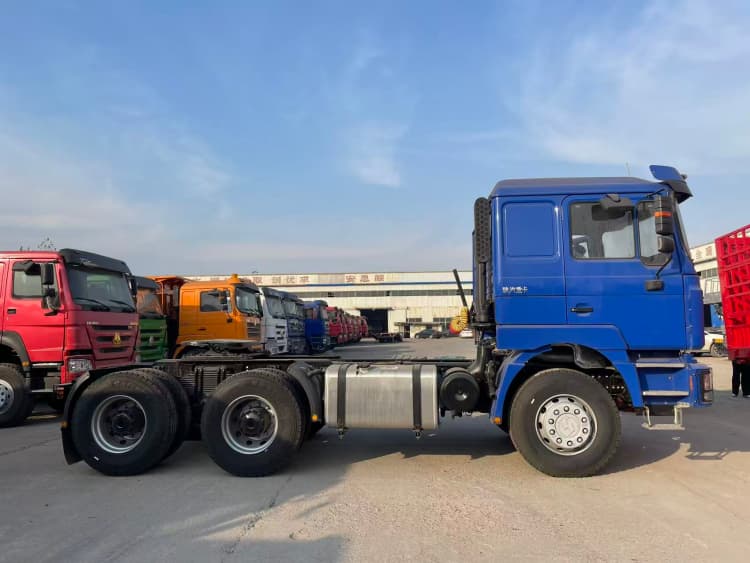
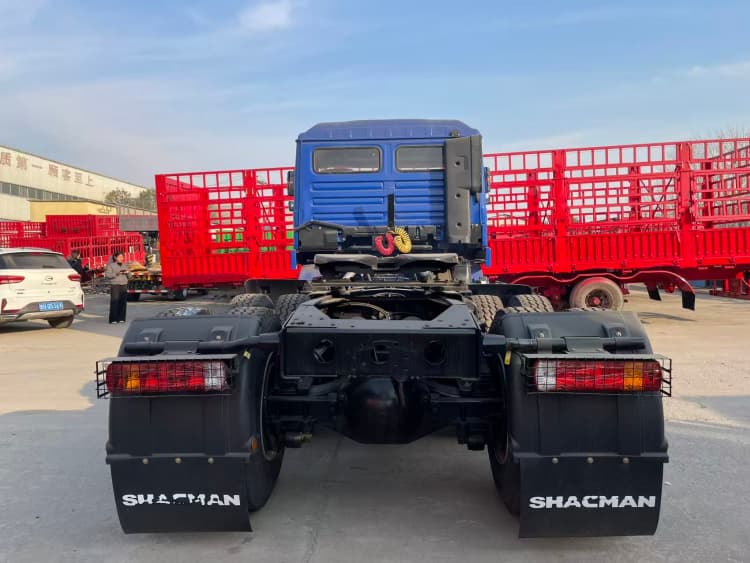
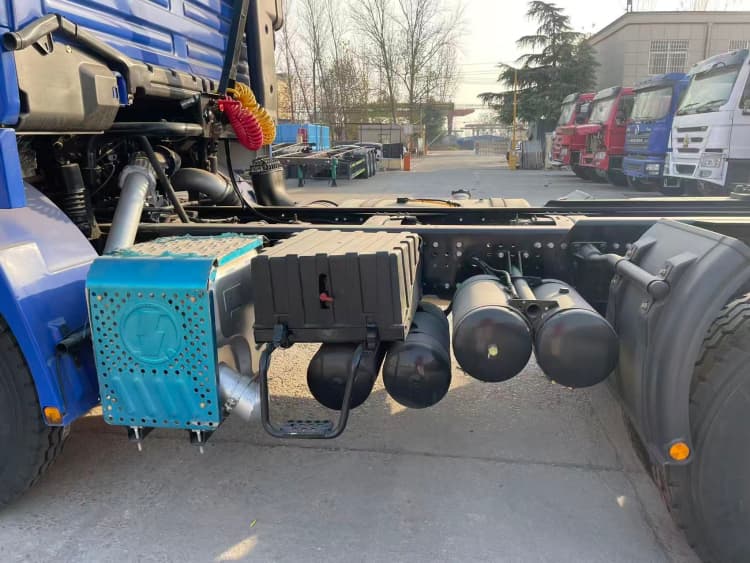
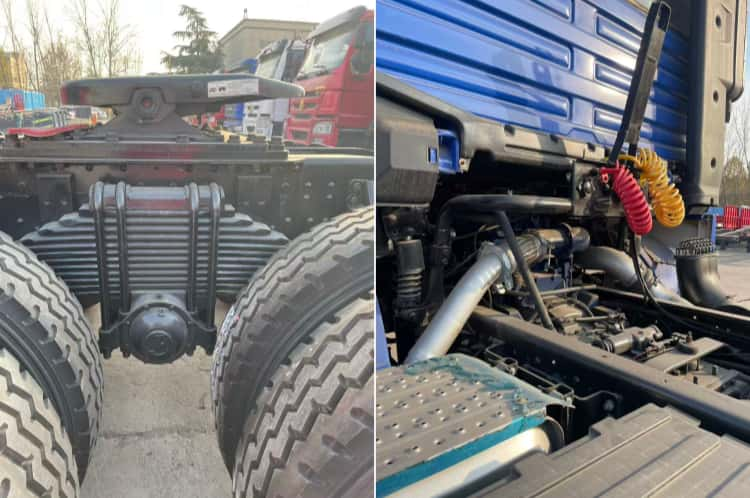
Technical Parameter Table
- Model: Reman F3000 Tractor Head SHACMAN 6×4 Truck
- Cabin: SHACMAN F3000 standard sleeper cabin, reman‑refurbished, structural integrity fully inspected
- Engine: Remanufactured WP12 diesel engine, fully torn‑down, cleaned, measured, bench‑calibrated
- Transmission: Reman 12‑speed manual gearbox, friction components renewed, shift performance bench‑verified
- Front Axle: 7.5‑ton remanufactured steering axle, dimensional correction and wear inspection completed
- Rear Drive Axle: 16‑ton heavy‑duty reman tandem drive axles, gear sets inspected, fatigued bearings fully replaced
- Suspension System: Front leaf spring, rear multi‑leaf spring; aging rubber bushings and fasteners mandatorily renewed
- Brake System: Reman air brake system with ABS, all sealing elements replaced, brake performance validated
- Fifth Wheel: Standard 2‑inch kingpin fifth wheel, wear surface measured and refurbished or substituted
- Frame Condition: Main frame non‑destructive fatigue testing, micro‑crack & deformation screening performed
- Fuel Tank: Aluminum alloy fuel tank, interior cleaning and leak‑tightness inspection finished
- Tire Configuration: 12R22.5 heavy‑load radial tires
Principles of High‑Value Component Reuse in Remanufacturing
Component reuse is core of remanufacturing, yet must follow strict technical boundaries, not “reuse everything possible”.
- Structural parts like frame and cabin are main targets for qualified reuse, subject to non‑destructive fatigue testing.
- Rotating friction parts, sealing sets and aging rubber components usually cannot be reused even with good visual appearance.
- Every candidate reused component must pass dimension measurement matching original OEM tolerance.
- Parts with invisible internal fatigue are eliminated, even if no visible crack or damage can be observed.
- Reuse decision must be documented, forming traceable evidence for finished reman heavy‑truck.
Asset Residual Value Change Curve for Reman SHACMAN Truck
Reman resets asset lifecycle, so residual‑value curve differs from ordinary used trucks.
- At reman delivery completion: Asset value restarts from relatively high level after performance reset and validation.
- Middle period of reset lifecycle: Value declines steadily under regular maintenance, similar curve tendency to new trucks.
- Late stage of reman reset cycle: Mechanical wear accumulates again, residual value drops; vehicle enters reassessment for next reman or material recycling.
- For pseudo‑reman trucks: Value drops sharply within short operating time, as hidden fatigue defects surface.
- Traceable reman documentation helps maintain higher resale value when fleets dispose reman assets later.
RFQ
- Q: How does residual value perform for a formally CHINA reman SHACMAN truck for sale across its second service cycle?
A: Properly CHINA reman SHACMAN truck for sale maintain relatively stable residual value during their reset lifecycle, because core mechanical condition is verified. Poor‑quality reman units suffer sharp value depreciation after short operation. - Q: When calculating total‑cost‑of‑ownership, which hidden cost items should fleets compare for reman vs brand‑new trucks?
A: Beyond procurement price, fleets need to compare expected downtime risk, maintenance frequency, spare‑part consumption rate, asset residual value at resale, and ESG‑related sustainability benefits. - Q: Will maintenance expense be higher for reman SHACMAN truck for sale compared with brand‑new units?
A: For compliant reman products under normal operation, routine maintenance expense stays close to new trucks. Higher repair cost usually comes from non‑standard, low‑quality reman execution. - Q: In what fleet scenarios does remanufacturing deliver the best economic return?
A: Reman brings optimal ROI for fleets with medium‑intensity highway hauling, pursuing asset scale expansion, and not requiring the latest generation original factory vehicle configurations. - Q: What will happen to this reman SHACMAN truck for sale when it reaches end of its reset reman service cycle?
A: It can enter industrial recycling: qualified high‑value components can feed into next reman cycles; non‑reusable parts go into material recycling instead of uncontrolled scrapping. - Q: How do you calculate the real economic benefit brought by asset‑life reset in remanufacturing?
A: Real benefit compares total usable service time gained from reman, against total reman investment, minus expected additional maintenance risk, plus residual asset value at end‑of‑use. - Q: Can reman F3000 tractor head support high‑intensity 24‑hour continuous fleet operation?
A: Formally China reman SHACMAN truck for sale can handle high‑intensity operation same as new trucks, on the premise they follow regular maintenance cycles. Low‑quality refurbished trucks cannot sustain heavy continuous duty.