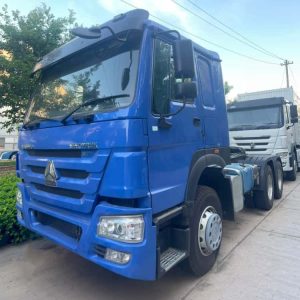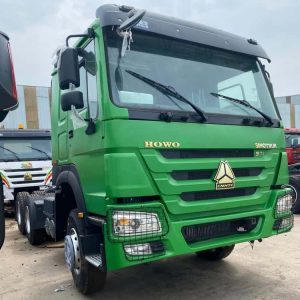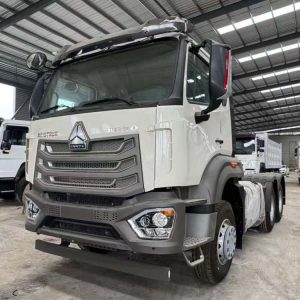
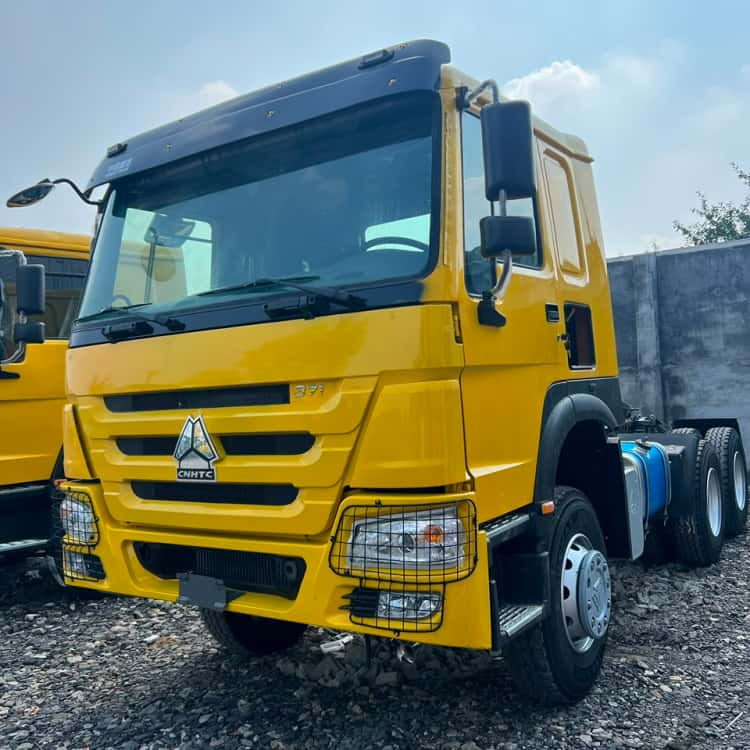
Reman Howo 371HP 6×4 Tractor Truck
REMAN ROAD standardized reman truck head undergoes full industrial remanufacturing to restore OEM-grade performance, built for heavy haul, container and bulk cargo transportation projects.
Reman 6×4 Truck Head Description
- REMAN ROAD standardized reman Howo 371hp tractor head goes through complete teardown, precision inspection and component renewal. Every core assembly is bench-tested before delivery.
- Standardized reman truck head delivers stable pulling power for container trailers and bulk cargo transport, offering fleet operators a cost-effective asset solution without sacrificing performance.
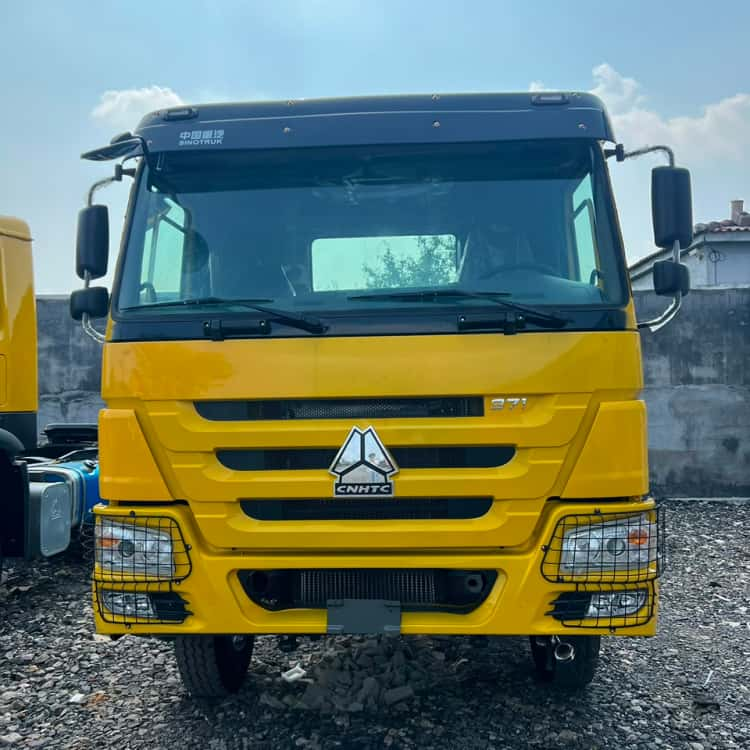
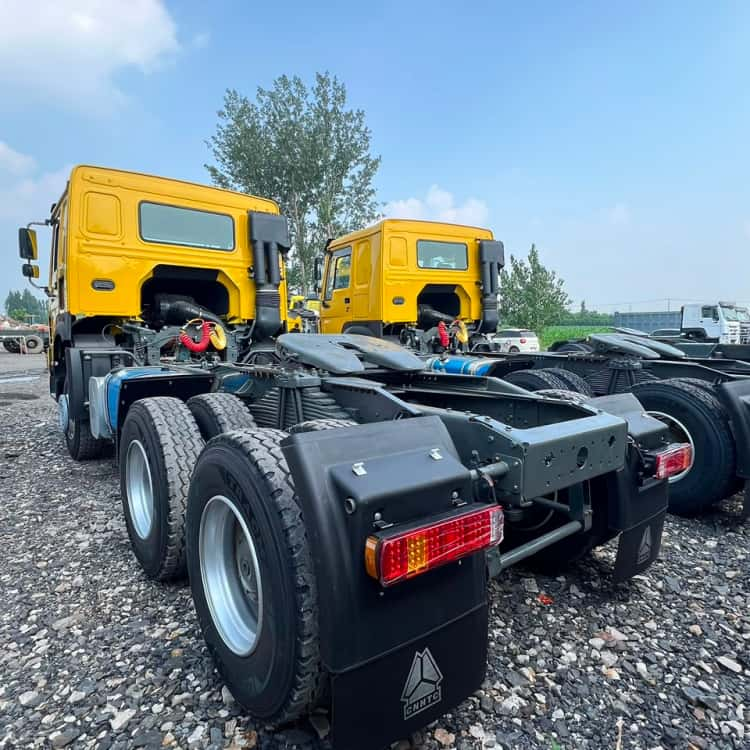
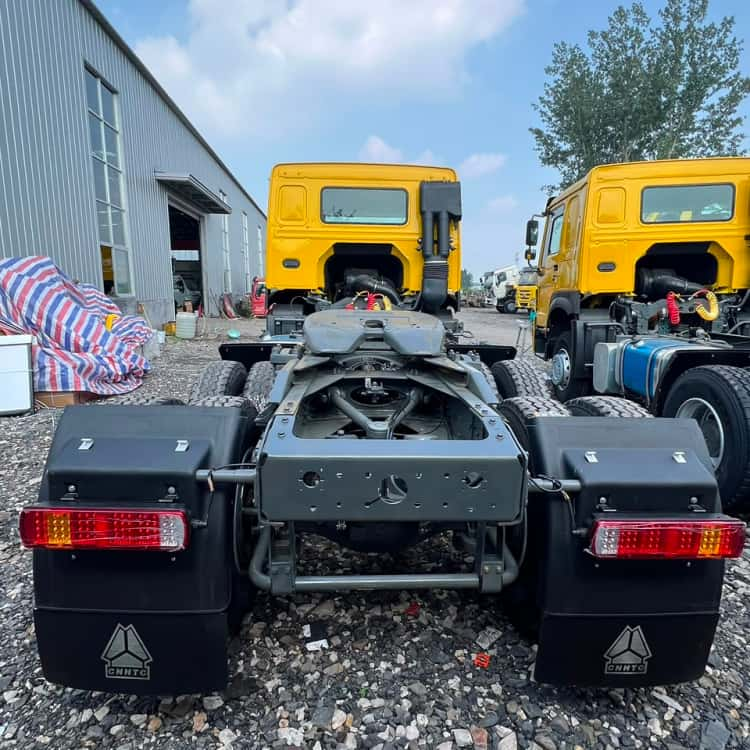
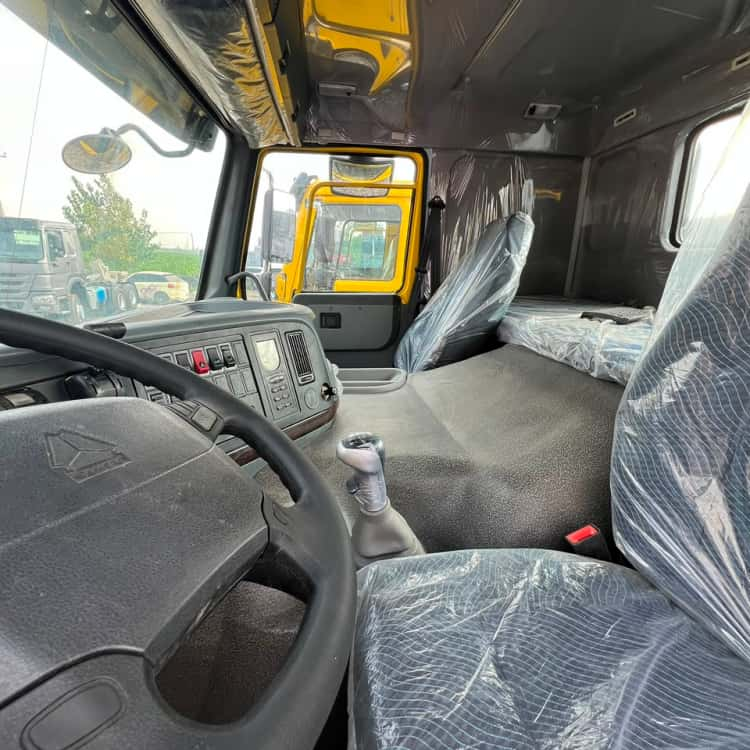
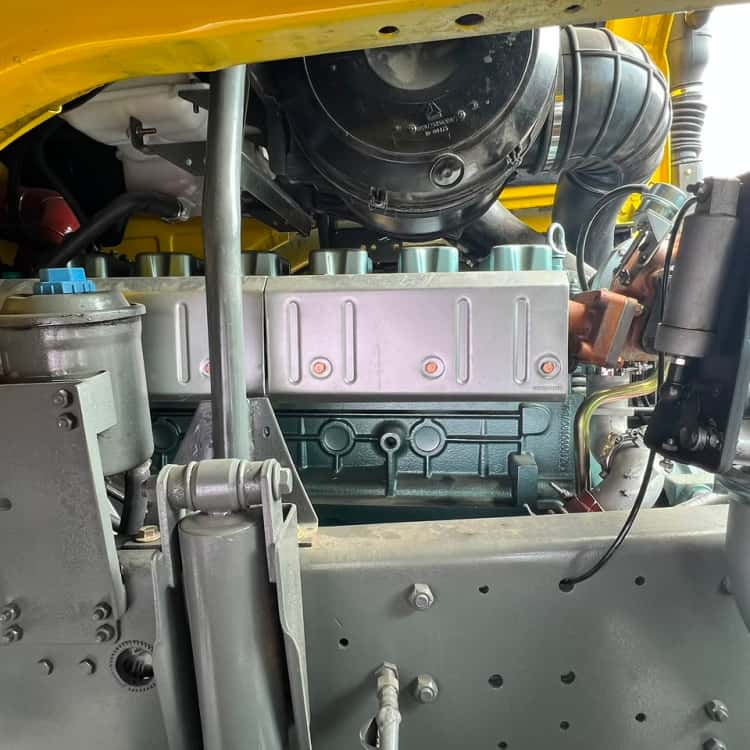
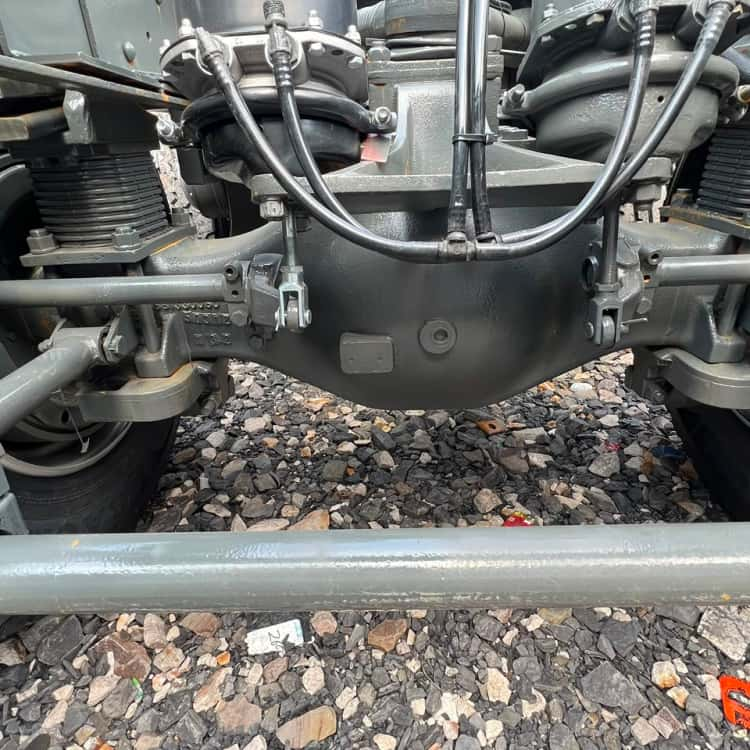
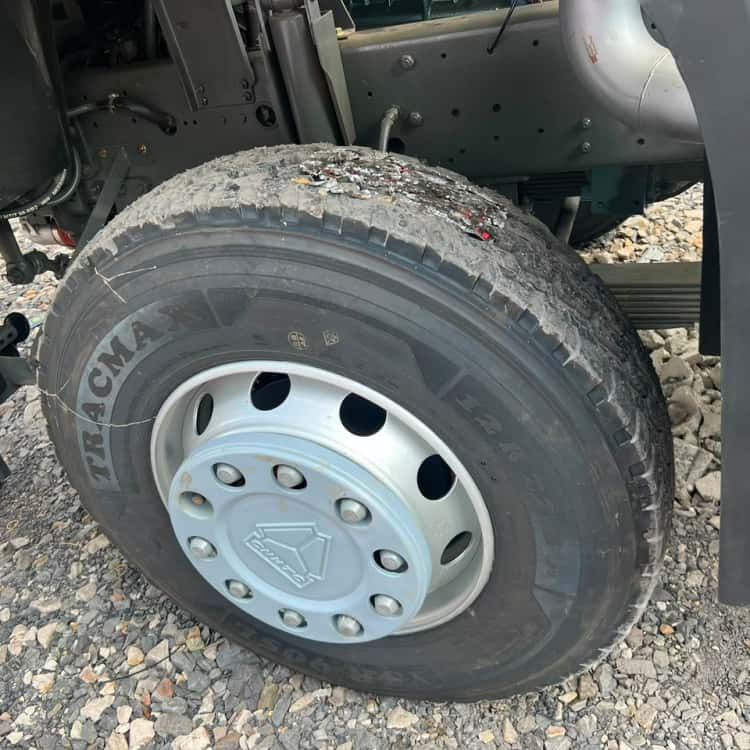
Technical Parameter Table
- Model: Standardized Reman Howo 371HP 6×4 Tractor Truck
- Driving Type: 6×4 (10 wheels: 2 steering + 8 driving)
- Cabin: Original Howo classic cabin, remanufactured interior & exterior, safety structure fully inspected
- Engine: Fully remanufactured diesel engine 371HP, completed professional bench calibration test
- Transmission: Reman manual transmission, full disassembly, gear & bearing inspection and replacement
- Drive Axle: Reman heavy-duty double rear axle, NDT crack detection, bearing & seal renewed
- Chassis Frame: Original frame, NDT inspection, stress relief, local structural repair as required
- Braking System: Full reman air brake system, all valves and chambers renewed, performance bench tested
- Fuel Tank: Reman fuel tank, internal cleaning & leak test, anti-corrosion treatment
- Steering System: Reman steering gear, oil seal replacement, functional road test
- Tire Configuration: Brand-new heavy-duty radial tires 12R22.5, adapted for heavy-load and rough-road scenarios
- Reman Standard: REMAN ROAD global certified industrial reman specification
How REMAN ROAD Ensures Consistent Quality Across All Reman Units?
- REMAN ROAD reman standard defines unified workflow gate checkpoints. Every standardized reman truck head follows identical inspection criteria, component replacement rules and testing protocols during reman rebuild.
- Quality control stops work at every gate. If any component or system fails inspection, the workflow pauses immediately. Technicians must resolve the defect and re-test before moving to the next rebuild phase.
- Independent verification rules apply: inspectors are separated from rebuild technicians. Testing and inspection results are cross-checked by separate quality teams, avoiding subjective judgement from assembly staff.
- Standardized documentation rules ensure every inspection result is recorded uniformly. This allows third-party auditors to review reman processes and verify compliance with reman standards.
- This consistency differentiates standardized reman from small independent refurbishment workshops, where quality depends heavily on individual technician skill and can vary widely unit by unit.
Residual Value Logic of Standardized Reman Truck Head
- Uncertified used heavy trucks have unpredictable residual value, because buyers cannot verify component health or hidden structural defects. Valuation relies mostly on mileage and appearance.
- Standardized reman truck head have documented rebuild history and verified performance benchmarks. Valuers and future buyers can reference traceability files, so asset value assessment is objective rather than speculative.
- Standardized reman truck head depreciate in a more stable curve. Since lifecycle is reset at the point of reman completion, depreciation starts from the reman delivery date instead of the vehicle’s original factory manufacturing date.
- At the end of 2–5 year project cycles, standardized reman truck head have clear exit channels within the reman industry ecosystem. Buyers are willing to pay a premium for assets with complete reman certification and inspection logs.
Understanding residual value logic changes how fleets evaluate heavy asset procurement. Total investment equals purchase cost minus residual value at exit, which makes standardized reman truck highly attractive for fixed-cycle project fleets.
RFQ
- Q1: How much carbon emission can remanufacturing save compared with manufacturing a brand-new heavy tractor?
A: Heavy vehicle manufacturing consumes massive steel, casting raw materials and industrial energy. Reman reuses qualified base chassis and components, cutting raw material processing emissions significantly. Carbon saving data for each reman unit is recorded in its traceability document. - Q2: How can enterprises use reman fleet assets for ESG reporting?
A: Every standardized reman truck head has documented raw material saving and carbon reduction data. These records can be directly quoted in corporate sustainability reports to demonstrate circular economy practice. - Q3: Does remanufacturing reduce industrial waste?
A: Yes. Qualified components are reused instead of scrapped. Only failed parts are recycled as scrap metal, greatly lowering solid waste output compared with producing brand-new heavy vehicles. - Q4: What social value does standardized reman bring to heavy transport industry?
A: It builds trust in the second-life heavy asset market, reduces unsafe uninspected heavy trucks operating on worksites, and provides affordable reliable transport assets for infrastructure projects in emerging economies. - Q5: What is the difference between reman circular economy logic and simple vehicle recycling?
A: Recycling breaks the vehicle down into raw materials such as scrap steel. Reman retains the original asset structure and restores its function for continued use. Reman preserves the embedded manufacturing energy already invested in the base vehicle. - Q6: Will remanufacturing compete against the new vehicle manufacturing industry?
A: It is complementary rather than competitive. Reman targets fixed-cycle mid-term projects. New heavy trucks remain the best option for permanent long-running fleets. Reman expands the whole heavy asset ecosystem. - Q7: What barriers stop the reman industry from developing faster globally?
A: The primary barrier is lack of unified standards and transparent verification systems. Information asymmetry makes buyers distrust standardized reman truck head. REMAN ROAD’s standard framework aims to solve this trust gap and promote market development.