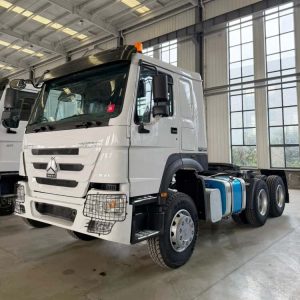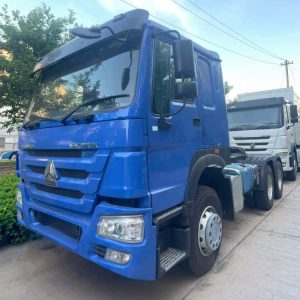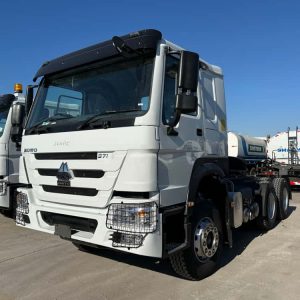
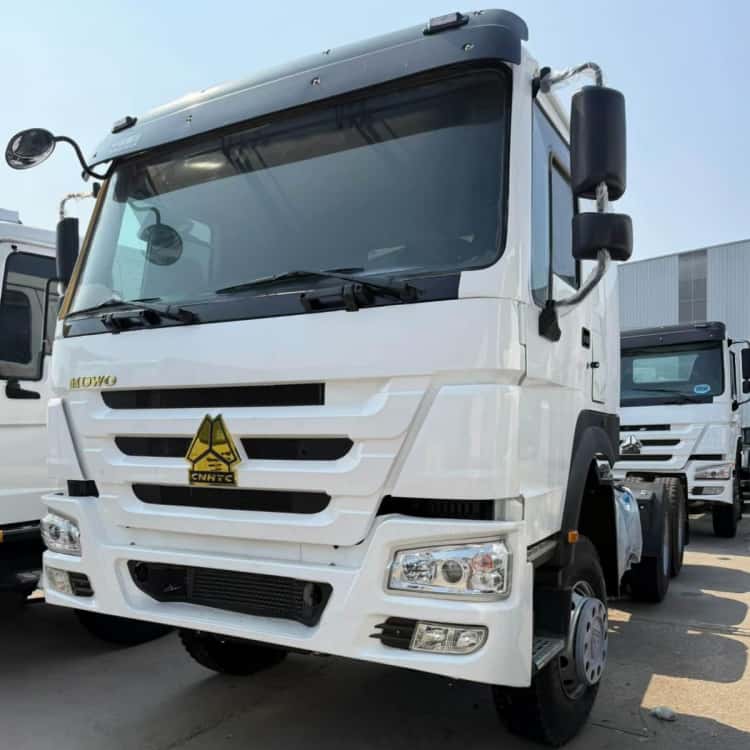
Reman Howo 6×4 Prime Mover
REMAN ROAD reman Howo prime mover retains the original Sinotruk structural base, while all fatigued core components are restored to factory specifications. Every vehicle comes with a comprehensive reman dossier, which is designed to help fleet asset teams learn how traceability enables audit, risk evaluation and professional asset management for reman fleets.
Reman Prime Mover for Sale Description
- The reman Howo prime mover 6×4 supports flexible trailer matching for container hauling, bulk mineral transport, mining trailer operation and construction material delivery.
- Compared with brand-new tractors, standard reman tractor head greatly reduce initial capital pressure while preserving the pulling power and structural durability required for heavy engineering tasks.
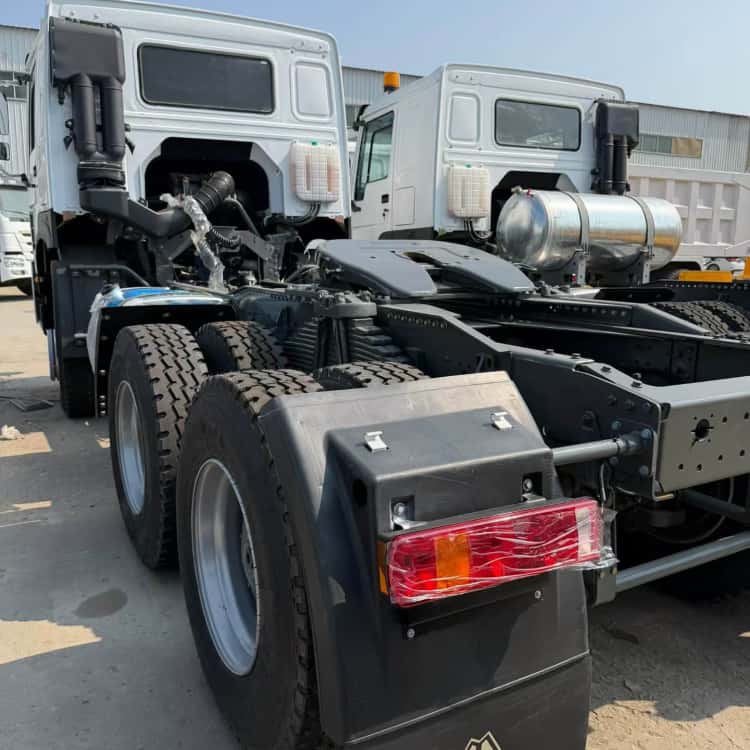
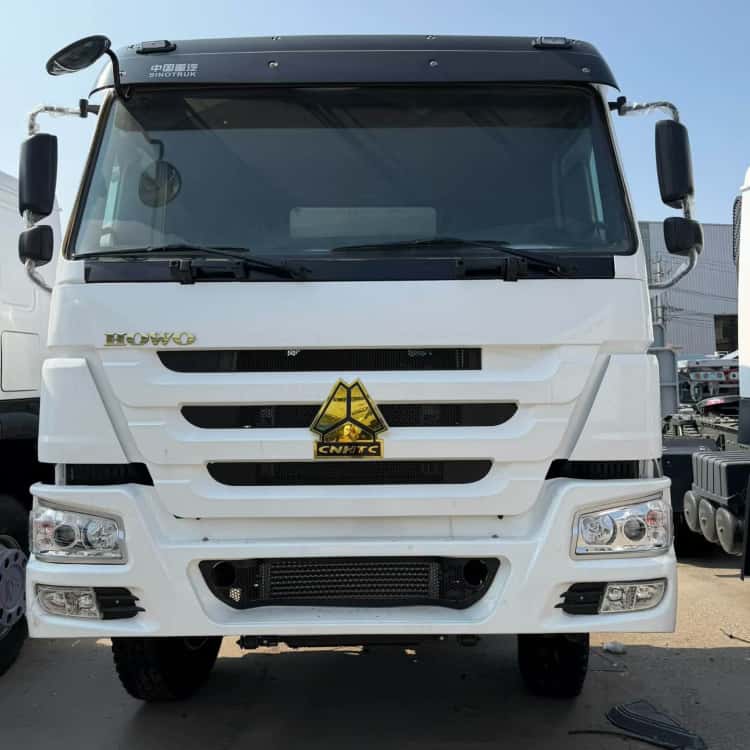
- REMAN ROAD standard reman prime mover for sale helps fleet decision-makers understand deployment logic for reman fleets: faster asset rollout for project startup and predictable performance, rather than sourcing scattered used vehicles with unknown service background.
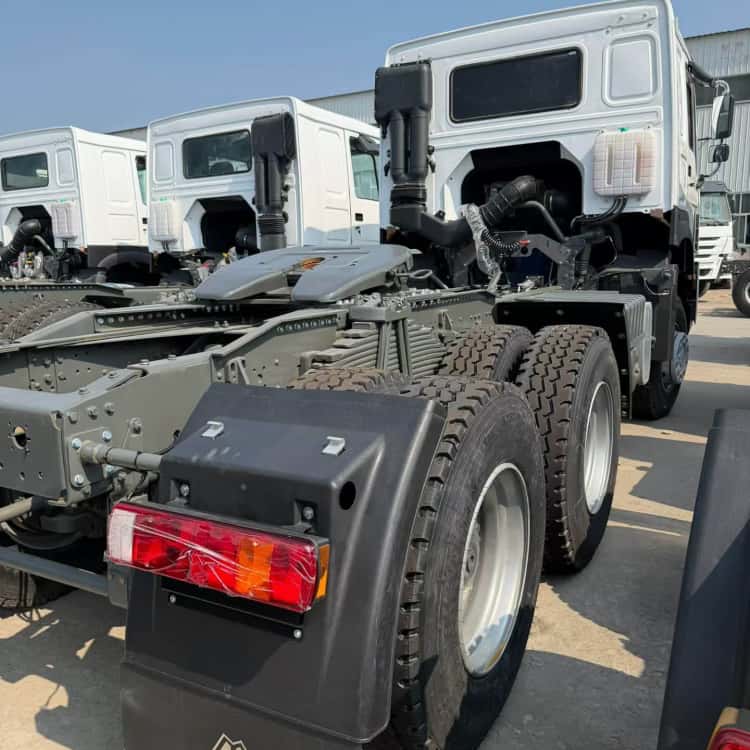
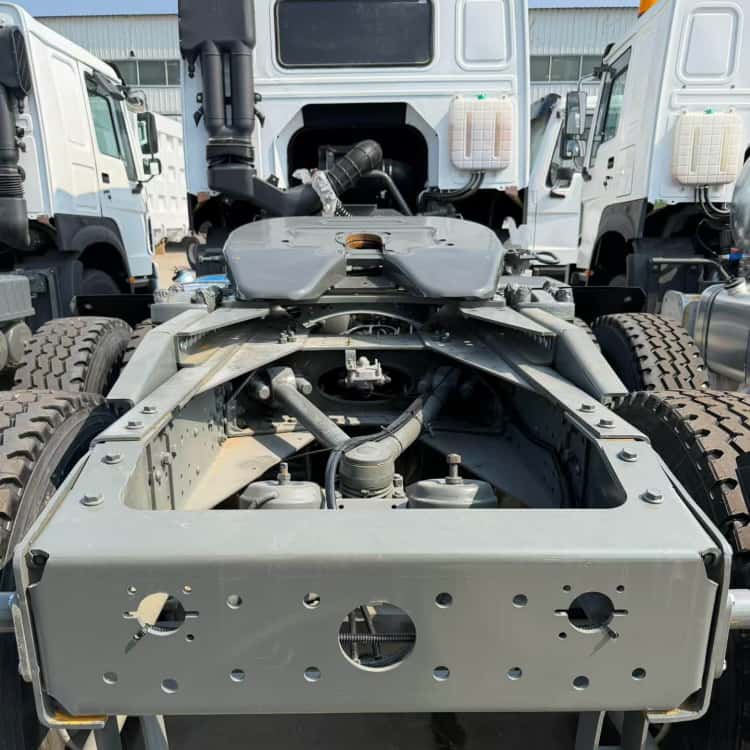
Technical Parameter Table
- Model: Reman Howo Prime Mover 6×4
- Driving Type: 6×4 (10 wheels: 2 steering + 8 driving)
- Cabin: Original Howo classic cabin, remanufactured interior & exterior, safety structure fully inspected
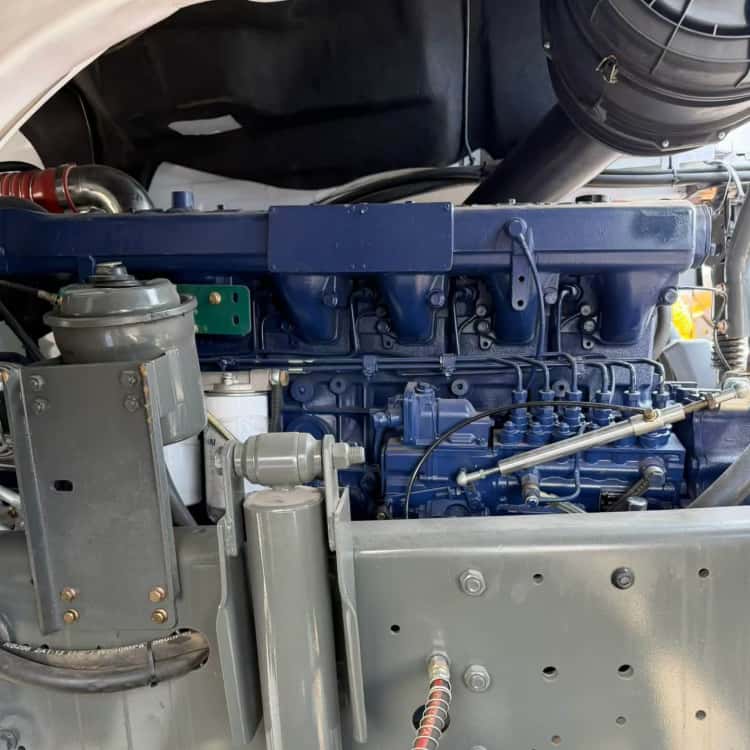
- Engine: Fully remanufactured diesel engine 371HP, completed professional bench calibration test
- Transmission: Reman manual transmission, full disassembly, gear & bearing inspection and replacement
- Drive Axle: Reman heavy-duty double rear axle, NDT crack detection, bearing & seal renewed
- Chassis Frame: Original frame, NDT inspection, stress relief, local structural repair as required
- Braking System: Full reman air brake system, all valves and chambers renewed, performance bench tested
- Fuel Tank: Reman fuel tank, internal cleaning & leak test, anti-corrosion treatment
- Steering System: Reman steering gear, oil seal replacement, functional road test
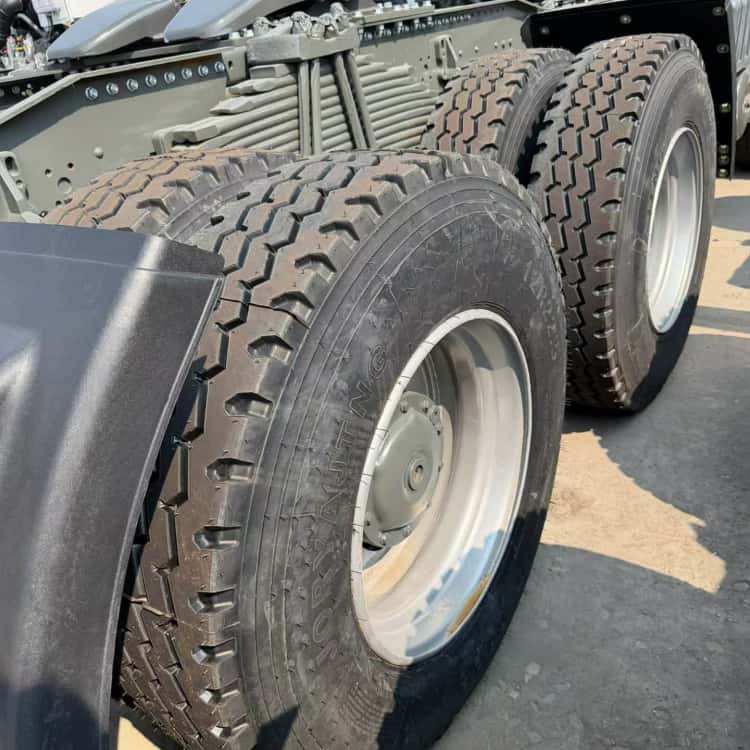
- Tire Configuration: Brand-new heavy-duty radial tires 12R22.5, adapted for heavy-load and rough-road scenarios
- Reman Standard: REMAN ROAD global certified industrial reman specification
What Is Standard Remanufacturing for Heavy Tractors?
- Remanufacturing is an industrial standardized rebuilding process, fundamentally different from casual repair, overhaul or cosmetic repainting. The core definition is to fully disassemble the entire heavy tractor, inspect and grade every individual component against fixed measurable criteria, replace or recondition fatigued parts, then reassemble and test the whole vehicle to restore performance back to near-new factory specifications.
- Ordinary repair only fixes known broken parts to make the vehicle run temporarily. By contrast, remanufacturing treats the tractor as a complete system. Even components that still appear functional are inspected for hidden fatigue, wear tolerance and structural defects. Every assembly must meet defined performance benchmarks, not just basic operability.
- The core principle of remanufacturing is lifecycle reset. Instead of extending the remaining service life of an old asset, standardized reman resets the vehicle to a brand-new usable lifecycle baseline. This is the key boundary separating formal reman from all other forms of second-hand vehicle maintenance.
- Heavy tractor remanufacturing also follows consistent documentation rules. All inspection, grading, replacement and test activities must be recorded, forming traceable archives for the asset. Without complete records, a rebuilt heavy vehicle cannot qualify as certified reman, even if some parts are replaced.
Standard Reman Tractor Head vs Ordinary Used Tractor — Core Differences
- An ordinary used HOWO tractor enters resale markets in its post-retirement condition. Buyers inherit all unknown risks: invisible frame damage, internally worn powertrain components, incomplete maintenance history and zero guaranteed performance standard. No mandatory inspection is required before resale.
- A standard reman tractor head goes through a strict full rebuild workflow. The whole vehicle is stripped down, every metal part receives inspection, components are graded and renewed, the tractor is reassembled and validated through multi-stage testing. Every defect, visible or hidden, must be identified and resolved before the asset is released.
- The most important distinction lies in quality baseline. The used truck market has no universal standard, each vehicle’s condition varies wildly. Certified reman assets follow a fixed, published reman standard, with clear pass/fail rules applied to every component and system.
- Asset lifecycle expectation also differs greatly. A used tractor continues the original declining lifecycle. A reman tractor’s lifecycle is reset, so fleet operators can build predictable maintenance schedules and budget planning for the coming operating years.
- Liability and risk allocation are different. For used trucks, once the transaction completes, buyers bear nearly all post-purchase failure risks. Certified reman comes with documented quality commitments tied to the reman standard framework, with clear definition of what performance the asset should deliver.
RFQ
- Q1: What risks can NDT inspection eliminate during reman?
A: NDT detects invisible micro cracks and metal fatigue on frame, axle housing and load-carrying components. These hidden defects cannot be found via visual inspection and may lead to sudden structural failure under heavy load. - Q2: What will happen if a critical component fails inspection in reman workflow?
A: The component is marked scrap and replaced. The rebuild workflow cannot proceed with defective safety-critical parts. No compromise is allowed for components related to braking, frame and powertrain. - Q3: How to verify whether reman testing data is authentic instead of falsified?
A: REMAN ROAD retains full test logs with photos, measurement data and inspector signatures. Third-party professional auditors can review all records, and key bench test videos can be provided for verification. - Q4: After reman rebuild, does the vehicle need road testing, or only bench testing?
A: Both are required. Bench testing validates individual assemblies like engine and brakes. Loaded road testing verifies system coordination under real working conditions, to ensure all assemblies work together properly. - Q5: What inspection items belong to non-negotiable mandatory checkpoints in reman standard?
A: Incoming vehicle structural assessment, frame and axle NDT inspection, powertrain bench test, brake pressure and stopping performance test, component grading records, final loaded road test and full traceability file compilation. - Q6: Can reman inspectors skip some inspection steps if the component looks fine?
A: No. The reman standard workflow gate checkpoints are mandatory. Visual appearance cannot replace dimensional measurement and fatigue inspection. Skipping any checkpoint disqualifies the asset from reman certification. - Q7: What quality risks may appear in non-standard reman / low-grade rebuild?
A: Common risks include undetected frame cracks, reused fatigued bearings and gears, aging brake seals kept in assembly, no load testing, incomplete records. These defects may trigger sudden breakdown or safety accidents after deployment.