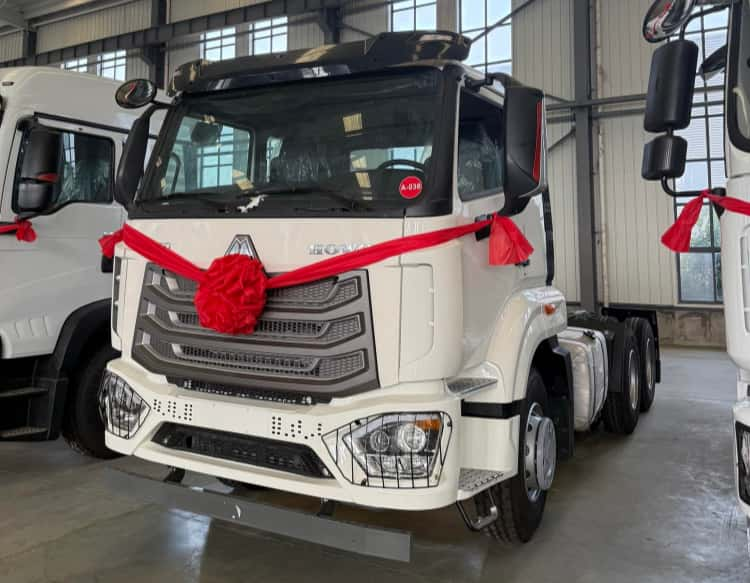
The Hidden Financial Benefits of Choosing True Remanufacturing
Intro
When finance teams review reman proposals, their first instinct is to compare the purchase price against new trucks. The immediate discount is easy to quantify and often becomes the only justification for the investment. Yet this narrow view overlooks a set of hidden financial benefits that compound year after year. These gains are not automatic for every reman truck; they only emerge when the build follows disciplined reman rules, not cosmetic reconditioning.
REMAN ROAD’s standardised true remanufacturing framework is designed to unlock these secondary financial advantages, turning a simple cost saving into a stable, long-term cash flow improvement.
Reduced contingency reserve budget
Fleets usually set aside a large contingency fund for older or reconditioned trucks. This reserve covers surprise structural failures, emergency towing and rush-order component replacements. For uninspected second-hand units, this buffer is non-negotiable because fatigue risks are unknown.
True remanufacturing under REMAN ROAD removes the need for oversized contingency allocations. Hotspot NDT scanning, corrosion mapping and three-bucket component grading rule out high-risk defects before delivery. Inspection schedules and duty envelope limits give finance teams a predictable maintenance timeline. Less money locked away in contingency means more working capital available for fleet expansion, fuel purchases or other operational priorities.
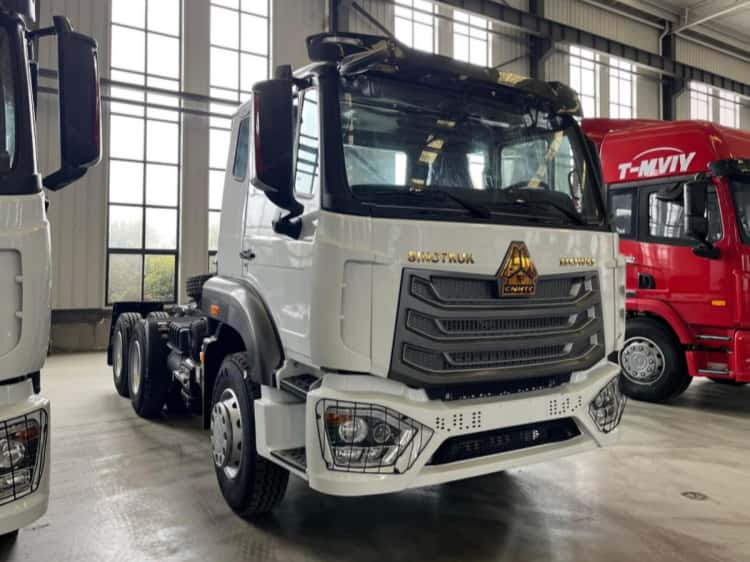
Smoother, more predictable cash flow scheduling
New truck purchases require large, lumpy capital outlays and high monthly loan payments. Uncertified used trucks bring unpredictable repair bills that hit cash flow randomly. True remanufacturing sits in a balanced middle ground. Its acquisition cost is lower than new equipment, while its maintenance spending can be forecasted years ahead.
REMAN ROAD shares fixed service intervals and structural inspection requirements with buyers. Fleets can budget for planned NDT checks, scheduled component renewal and routine servicing, instead of absorbing sudden, high-cost breakdown events. Predictable cash flow simplifies budgeting, lending reviews and internal financial forecasting.
Lower cost of insurance and reduced liability exposure
Many insurers price policies based on perceived risk of catastrophic failure. Unverified reconditioned trucks often attract higher insurance premiums, or come with exclusions for frame, axle and structural failures. Some insurers also raise deductibles for older rebuilt assets to offset unknown risks.
REMAN ROAD verified reman trucks carries a complete traceable build record. Underwriters can review NDT reports, bench test results and component grading logs to assess structural condition. This documented evidence can support lower premium rates, smaller deductibles and broader structural coverage. Over multiple years of ownership, insurance savings add up to meaningful returns that rarely appear in basic price comparison sheets.
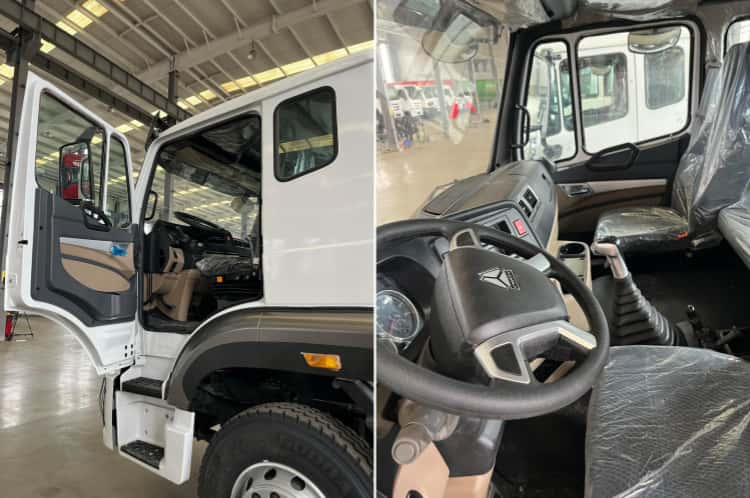
Improved borrowing terms and asset financing flexibility
Lenders view second-hand assets with caution when there is no proof of condition. They may demand larger down payments, shorter loan tenures or higher interest rates for ordinary used trucks.
Certified true remanufacturing changes how financiers evaluate collateral value. REMAN ROAD’s VIN-linked Quality Log serves as independent proof of asset condition and remaining usable life. Lenders are more comfortable extending longer repayment periods and more competitive interest rates. Better financing terms reduce monthly repayments and cut total interest expense over the loan term. This financial benefit is separate from the gap between new and reman truck purchase prices.
Mitigated penalty and demurrage costs from downtime
Unplanned downtime carries cascading indirect costs beyond the repair invoice. Fleets may face contract penalties for missed delivery windows, idle operator wages, standby rental vehicles and site schedule delays. These losses are often far bigger than the cost of the failed part itself.
True remanufactuing reduces the frequency of sudden structural breakdowns by eliminating hidden fatigue hotspots. With REMAN ROAD’s inspection regime, structural risks are caught during scheduled checks rather than mid-operation. Avoiding one major downtime penalty can cover the extra cost of a certified true remanufacturing build versus a cheap reconditioned alternative. This risk mitigation is one of the most overlooked financial levers for heavy transport and mining fleets.
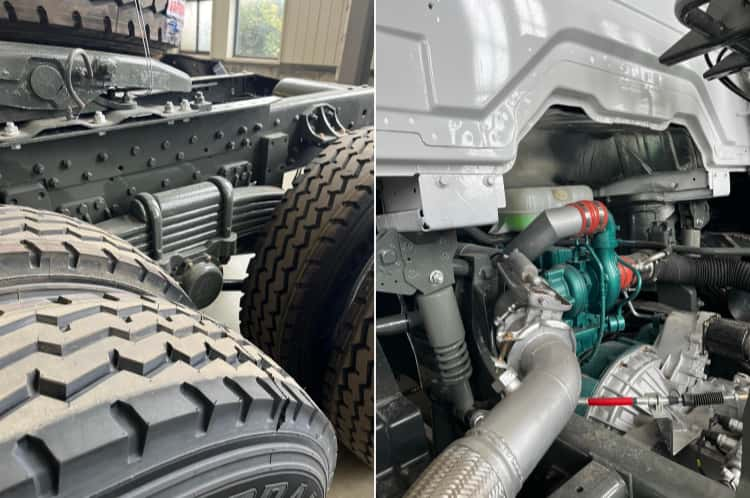
Higher recoverable residual value at disposal
Generic second-hand trucks suffer steep, uncertain depreciation. When the fleet resells, buyers discount heavily because they cannot verify what defects may be hidden inside. The residual value is guesswork.
REMAN ROAD verified reman trucks transfer their full digital record to the next owner. Future buyers can review the full build history, test data and duty envelope rules. This transparency supports a stronger, more defendable resale price. When calculating total lifecycle cost, a higher residual value directly lowers the net cost of ownership. Many TCO models fail to include this uplift, understating the financial advantage of true reman.
Easier ESG-aligned tender qualification
A growing number of commercial and government tenders require auditable circular economy evidence. Without valid documentation, fleets cannot qualify for these high-value contracts.
REMAN ROAD records the mass of retained high-carbon components and calculated avoided embodied carbon for each unit. These verified reman trucks records help fleets satisfy tender ESG clauses and win contracts they would otherwise be excluded from. The financial gain here comes from winning new revenue opportunities, not just cutting fleet operating costs. It is a strategic financial benefit that most basic reman procurement checklists ignore.
Final Takeaway
The upfront purchase discount is only the surface-level financial benefit of true remanufacturing. The hidden gains include smaller contingency reserves, stable cash flow, favourable insurance and financing terms, avoided downtime penalties and stronger residual asset value.
REMAN ROAD turns these potential benefits into tangible, auditable outcomes through standardised inspection, testing and traceability. For fleet finance teams, the lesson is clear: evaluate verified reman trucks by its full set of financial impacts, not only the invoice price at the time of purchase.