Why Cheap Initial Pricing Can Be the Costliest Choice in Used Truck Market?
Intro
It is intuitive for fleet buyers to gravitate toward the lowest sticker price when shopping for used heavy trucks. Under tight budget pressure, a lower initial outlay feels like an immediate win. But the used truck market follows a quiet rule: the cheapest purchase price often carries the highest total cost of ownership.
Ultra-low pricing is only sustainable by cutting the invisible, safety-critical steps that prevent future failures. REMAN ROAD standardized remanufactured trucks carries a moderate purchase premium compared with budget refurbished stock, but avoids the compounding financial leaks that turn cheap trucks into costly liabilities.
Low pricing relies on skipping non-visible inspection and validation work
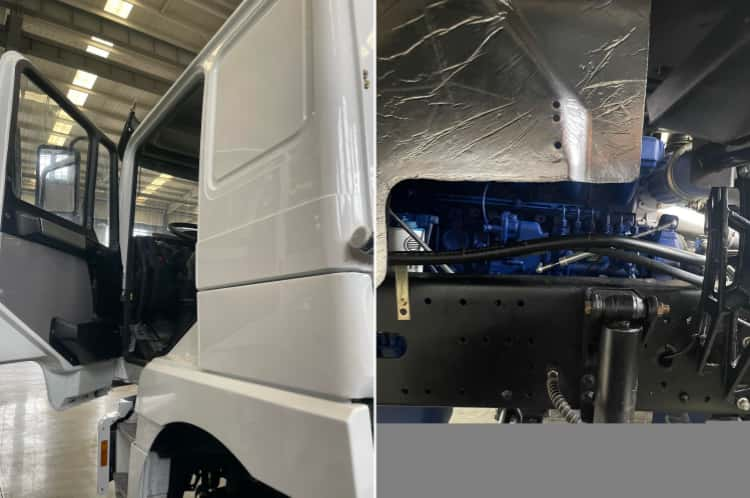
Most of the expense in reliable overhaul is not in paint, tyres or external parts — it lies in subsurface core testing. NDT frame inspection, crankshaft crack detection, brake dynamometer calibration, transmission bench testing and dimensional verification add labour, equipment and lead time. Budget sellers remove these steps to hit a low sales price.
They rely only on visual checks and a short test run. Fatigue cracks, material degradation and hidden distortion remain undetected. The truck may operate fine for weeks or months, then fail catastrophically under heavy load. The repair bill plus downtime loss far outweighs the initial savings on the invoice.
Cheap units are built on patchwork repairs rather than lifecycle reset
Budget refurbished trucks are fixed symptom-by-symptom. Only leaking, noisy or visibly broken components get replaced. Ageing seals, fatigued fasteners, worn bearings and out-of-tolerance parts that still function are left in place. This creates a chain reaction of sequential failures. One small failure transfers extra stress to neighbouring assemblies.
A leaking seal leads to gearbox damage; weak brake components cause uneven wear and imbalance. The fleet finds itself repeatedly returning the same truck for follow-up repairs. Maintenance becomes unpredictable, and workshop capacity gets consumed by emergency fixes instead of scheduled servicing.
Low-grade and scavenged components drive accelerated wear
To preserve margins, low-price suppliers frequently source mismatched, low-tolerance aftermarket parts or cannibalised second-hand components with unknown service history. There is no component grading, compatibility review or batch traceability. These parts wear faster, fit poorly and reduce overall powertrain stability.
Fuel consumption drifts upward, brake performance degrades, and service intervals shrink. Spare-parts logistics also become messy for the fleet: each cheap refurbished truck may require unique, hard-to-source replacement items, further slowing repairs when faults occur.
They come with limited or non-existent enforceable warranty
Nearly all budget refurbished trucks ship with weak, narrow warranty terms — often just a few days, or only covering labour while excluding expensive core assemblies. Many sellers disclaim all responsibility once the truck leaves the yard.
When a major structural or powertrain failure occurs, 100% of the repair cost and all downtime losses fall to the fleet. There is no formal root-cause review, no claim process and no accountability for workmanship defects. The buyer absorbs all risk for a reduced purchase price.
Downtime and associated business penalties are the biggest hidden expense
This is the largest cost that price‑only buyers ignore. A cheap refurbished truck that breaks down repeatedly stops generating haul revenue. The fleet loses daily contribution margin, pays idle driver wages, and may be forced into premium emergency rentals or subcontracting.
For project-based fleets, delays can trigger liquidated damages, payment deductions and damage to client relationships. A truck that costs $8,000 less upfront but goes offline for 15 working days can erase that saving in a single breakdown event.
Poor traceability creates compliance, insurance and resale penalties
Low-price refurbished trucks stock is delivered with little to no audit trail. No NDT reports, no component replacement logs, no test records and no third-party sign-off. This creates three separate costs:
- The unit cannot pass tender and client safety audits, disqualifying the fleet from high-value contracts.
- Insurers and financiers classify it as high-risk, applying higher premiums, restrictive stated-value policies or financing surcharges.
- At resale time, buyers apply steep risk discounts. The truck sits in inventory longer and sells near scrap value, delivering terrible residual returns.
Quality inconsistency breaks fleet planning for bulk procurement
When fleets buy multiple low-cost refurbished trucks in one batch, unit-to-unit quality varies wildly. One unit may run reliably for months, while another fails repeatedly. This variability makes maintenance budgeting, fuel forecasting, KPI tracking and asset rotation impossible.
Planners cannot build uniform service schedules or predictable depreciation curves. The fleet loses operational control, even though the individual invoice price was attractive.
The expectation gap amplifies frustration and indirect costs
Buyers often confuse “refurbished trucks” with standardized remanufactured trucks. They assume the cheap truck has been fully reset, tested and warrantied, when it has only been cleaned and patched.
When reality falls short, fleets spend extra management time negotiating with sellers, chasing repairs, adjusting schedules and explaining delays to clients. This management overhead is rarely captured on cost sheets, but it drains leadership and workshop bandwidth.
How REMAN ROAD changes this equation?
The moderate upfront premium for REMAN ROAD standardized remanufactured trucks buys standardised core inspection, mandatory testing, traceable component logs, defined warranty coverage and predictable residual value. It does not eliminate all maintenance, but it removes the open-ended risk of sudden, high-cost catastrophic failures.
The buying decision shifts from “what do I pay today?” to “what is the total cost across the asset’s planned holding period.” In most project and site-haul applications, the small upfront premium is recouped quickly through avoided downtime, lower emergency repair spend and better insurance and resale terms.
Closing
Cheap initial pricing often ends up being the costliest choice because the discount is funded by cutting the safeguards that prevent expensive failures. Hidden latent defects, patchwork repairs, absent warranty, frequent downtime, compliance limitations and poor residual value compound over time. The dollar saved on the purchase invoice is a one-time benefit, while the associated risks can repeat for the entire life of the truck.
For professional fleets, authentic standardized remanufactured trucks turns the procurement decision away from chasing the lowest first price and toward avoiding the open-ended liabilities that define the low-budget used truck market.