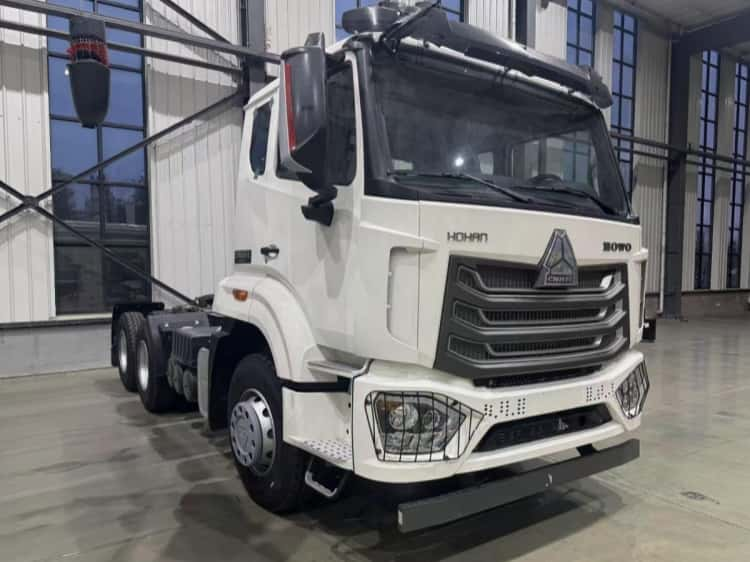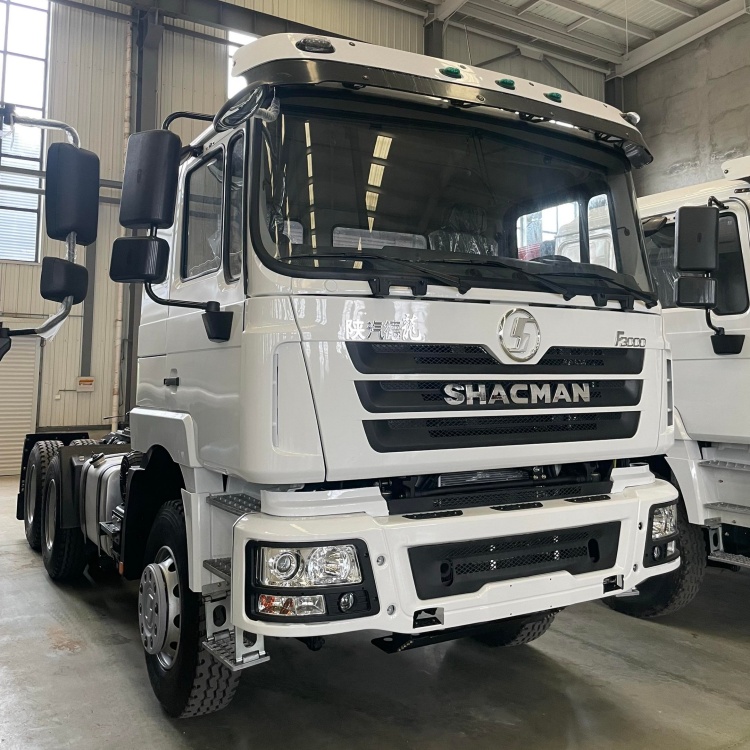
The Trend Toward Stricter Global Reman Standards
Introduce
For decades, remanufacturing for heavy trucks operated in a loosely regulated space. Labels were flexible, workflows varied widely between workshops, and quality depended heavily on local practices or individual technician discipline. One region might treat engine overhaul as reman, while another required full-chassis validation. This fragmentation created barriers for cross-border fleets, financiers and buyers trying to compare assets.
Today, a clear trend is emerging: global stakeholders are pushing for tighter, harmonised reman standards. Independent audit requirements, fatigue assessment rules, component specification controls and mandatory traceability are moving from optional premium features toward baseline expectations. REMAN ROAD is committed to advancing this global transition..
Why inconsistent old standards created market pain?
The historic lack of unified rules rewarded marketing flexibility over engineering discipline.
Without shared definitions, vendors could apply the “remanufactured” label to cosmetic refurbishment, partial overhauls or patchwork builds assembled from donor parts. Buyers in different countries could not reliably compare two assets marketed under the same name. Financial institutions struggled to assign consistent valuation, because there was no agreed baseline to judge residual value.
For cross-border fleets operating across multiple continents, this inconsistency multiplied risk. A reman truck accepted in one market might not meet the safety, testing or documentation expectations of another. Insurance coverage, financing eligibility and resale liquidity all suffered as a result.
Low standards also damaged the reputation of legitimate reman operators. Buyers who experienced sudden failures from low-grade rebuilds became sceptical of reman as a whole, even when properly engineered options existed.
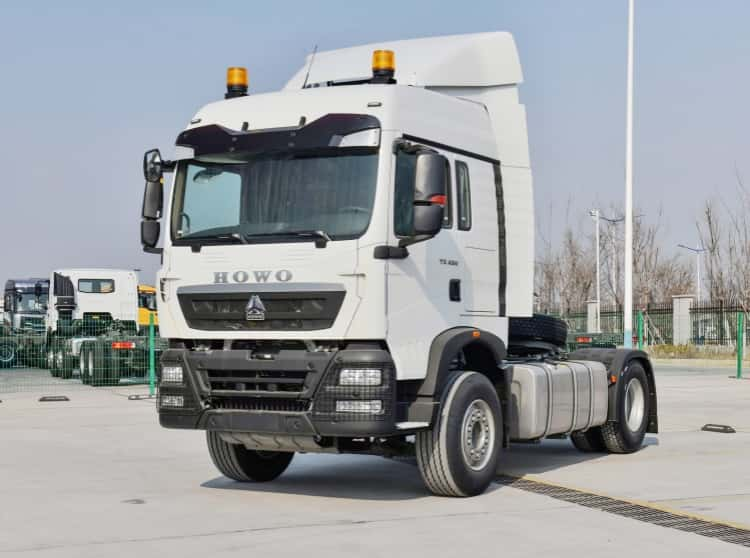
Who is driving the push for stricter reman standards?
Several groups are pushing this change in parallel.
Global fleet operators with cross-country footprints are among the strongest drivers. They need repeatable procurement criteria that work across regions, so they can roll out the same asset policy in different markets. They want a single set of verification questions, not separate local checklists for every supplier.
Financiers and insurance providers are also raising requirements. Lenders are more willing to offer favourable terms when an asset has auditable test records and known residual fatigue margin. Insurers are increasingly linking premium rates and coverage terms to proof of structural inspection, especially for high-risk mining and off-road applications.
Regulators and ESG reporting bodies add further pressure. As circular economy and carbon accounting rules mature, organisations can no longer claim sustainability benefits from truck remanufacturing without evidence that the asset delivers a genuine, long second life. A quick cosmetic rebuild that fails quickly cannot credibly count toward carbon reduction targets.
Finally, responsible reman brands themselves benefit from formal truck reman standards. Clear rules create a level playing field, separating compliant, process-driven operators from vendors competing on low-cost shortcuts.
What stricter reman standards add to the workflow?
New emerging standards share a common set of mandatory gates, moving beyond simple component overhaul requirements.
First, core qualification becomes a formal pre-work gate. Fatigue assessment, NDT protocols, dimensional checks and review of accident or modification history are no longer optional. Standards increasingly require documented pass/fail criteria before disassembly begins.
Second, component governance is tightened. Rules define what can be regenerated, maximum allowable machining loss, mandatory replacement lists for high-stress fasteners and consumables, and clear acceptance criteria for aftermarket or harvested replacement parts. Fit alone is not enough; material grade and heat treatment must be validated.
Third, system-level validation replaces standalone bench testing. Reman standards require testing that proves interaction between linked subsystems, not just individual part function. Loaded cycles that simulate real duty conditions are becoming standard practice, rather than an optional extra.
Fourth, permanent VIN traceability is embedded into the definition. A certificate alone is insufficient. Full audit trails, linked to the vehicle identifier, must be retained for the asset’s lifecycle and available for third-party audit.
Fifth, duty classification is formalised. Reman standards require clear documentation of the approved operating envelope for each reman truck, including payload, cyclic load and application limits. This prevents mismatched deployment and protects the remaining design margin.
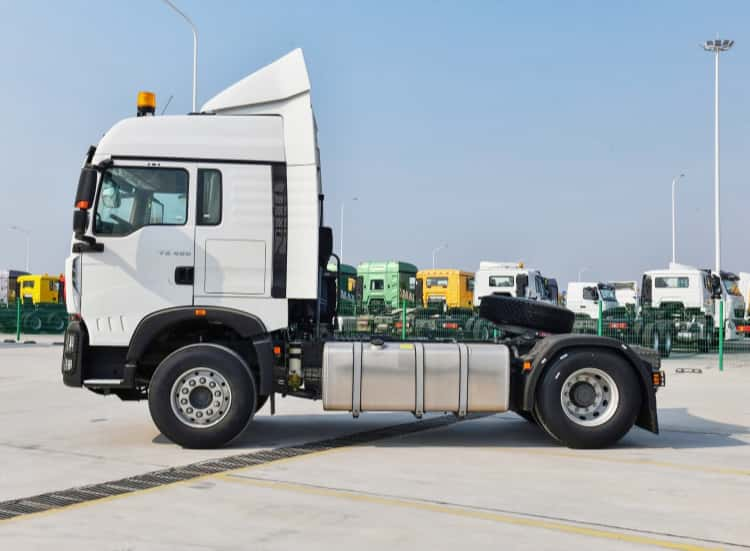
What this trend means for fleet buyers?
For fleet asset managers, this shift simplifies procurement in the long run.
When truck reman standards become more consistent, buyers no longer need to rebuild their entire evaluation framework for every new supplier. They can reference a recognised standard and ask vendors to demonstrate compliance against its published gates. Comparing quotes becomes fairer, because scope gaps are easier to identify.
It also improves asset liquidity. Certified reman trucks built to globally recognised standards are easier to finance, insure and resell. The traceability record travels with the asset across borders, reducing valuation uncertainty for future owners.
In the short term, however, buyers will see two side effects. Compliant truck reman will have a clearer, higher cost baseline, because it includes fatigue testing, audit overhead and documentation controls. At the same time, non-compliant vendors will double down on marketing language to sell lower-grade work under familiar truck reman labels. This makes the buyer’s verification checklist even more important during transitions.
Barriers slowing global alignment
Full global harmonisation will not happen overnight.
Regional regulatory priorities differ. Some markets focus heavily on emissions compliance, while others prioritise structural safety or local industry protection. Local workshop capacity, supply chain access and testing infrastructure also vary. NDT equipment, qualified inspectors and independent auditors are not equally available in every region.
There are also commercial barriers. Some existing operators have built their business models around loose, low-scope reman definitions. Stricter truck reman standards would raise their production costs and reduce their competitive advantage, so they resist formalisation.
These barriers mean the transition will be gradual. The trend is not a single universal law arriving at once; it is a slow upward shift in buyer expectations, lender requirements and acceptable quality baselines.
Closing thought
The move toward stricter global truck reman standards responds to a fundamental market need: to turn truck remanufacturing from a vague marketing category into a definable, auditable asset class.This trend favours fleets that prioritise predictable TCO, cross-border consistency and provable safety.
As standards tighten, the gap between genuine certified truck reman and cosmetic rebuilds will grow more visible. For forward-looking fleet buyers, aligning procurement practices with this upward standard curve will reduce risk and unlock the full long-term value of reman trucks.