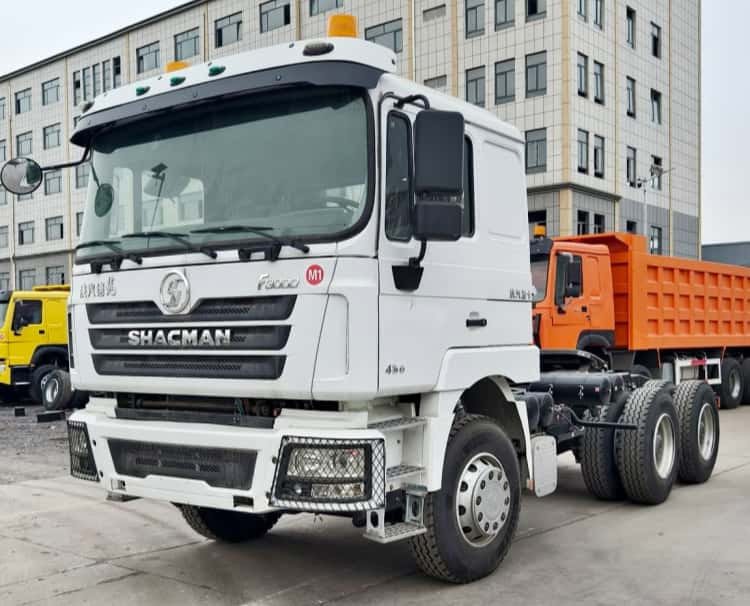
Separating Fact From Fiction in Heavy Trucks Reman Marketing
Intro
Sales copy for reman and rebuilt heavy trucks often uses attractive but undefined phrasing. Phrases like “like new”, “fully rebuilt” or “inspected chassis” sound reassuring, yet they carry no universal industry definition. A buyer may assume the truck has gone through standardised NDT, component grading and independent audit, while the seller only performed surface fixes and basic leak repairs.
REMAN ROAD heavy duty trucks reman establishes clear benchmarks to separate factual, auditable reman outcomes from marketing fluff. Knowing the difference protects the fleet’s budget, uptime and safety compliance.
Common marketing fiction 1: “Like-new performance”
Many sellers advertise reman trucks as “like new”. This statement is misleading when taken literally. A new truck has zero accumulated fatigue, factory virgin material and the full original factory safety margin. Genuine reman trucks resets performance back to OEM specification within a defined duty envelope, but it does not erase the chassis’s service history.
Fact: A valid genuine reman trucks can deliver OEM-aligned power, torque and brake performance, but it still relies on retained load-bearing components with a measured residual fatigue margin. It is not equivalent to a brand-new chassis, and its depreciation curve and inspection schedule will differ accordingly.

Common marketing fiction 2: “Full inspection completed”
“Full inspection” is one of the most abused phrases in the market. For casual rebuilders, this may only mean a quick walkaround, test drive and visual check of obvious leaks. No NDT, no corrosion mapping, no frame straightness measurement and no component-level grading are involved.
Fact: REMAN ROAD full inspection means sequential, documented gates: hotspot NDT scanning, ultrasonic thickness mapping, frame geometry verification, three-bucket component sorting, bench testing and third-party audit. “Inspection” only has weight when it comes with retrievable, VIN-linked records, not just a verbal statement.
Common marketing fiction 3: “All parts replaced”
Some listings claim every part is replaced. If every component was new, the asset would be a new truck, not reman. This claim confuses mandatory renewal of wear parts with full chassis replacement.
Fact: Certified heavy duty trucks reman uses a three-bucket system. High-value load-bearing components pass fatigue testing and are retained when eligible; cyclic wear parts are renewed unconditionally; failed parts are scrapped. No reputable heavy duty trucks reman standard replaces every frame, casting and housing blindly. If a seller claims “everything is new”, buyers should request a complete bill of materials and cross-check against the original chassis core.
Common marketing fiction 4: “Unlimited service life / no maintenance required”
A related false promise is that a reman truck will run indefinitely with minimal oversight. All steel components accumulate fatigue under cyclic load, especially in dump truck quarry and construction applications. Reman resets the baseline, but it does not stop fatigue progression.
Fact: Every REMAN ROAD genuine reman trucks ships with a published duty envelope and scheduled re-inspection intervals. Grade B and Grade C cores require periodic follow-up NDT at frame hotspots. Certification and warranty are only valid when the truck stays within its payload and cycle limits.
Common marketing fiction 5: “Dyno tested” without traceable data
“Dyno tested” sounds rigorous, but it can mean a 10-minute idle run with no full-load hold, no fuel logging and no formal report. Without a data record, the claim is just marketing language.
Fact: Valid dyno testing includes staged load ramps, steady-state rated load hold, fuel consumption logging and a signed report tied to the engine serial number. Third-party auditors can cross-reference this report during compliance checks. A dyno claim without retrievable test data is not engineering proof.
How to verify claims on your procurement checklist?
Ask sellers for specific, auditable documentation instead of accepting generic slogans. Request component grading records, NDT hotspot scan reports, corrosion mapping logs, frame dimensional readings and dyno test sheets. Confirm whether an independent third-party audit has been completed, and whether the duty envelope is published clearly.
If the seller cannot produce these records, the words “remanufactured” and “certified” carry no enforceable meaning. REMAN ROAD certification is tied to this complete document trail, not stickers or sales brochures.
Why this matters for fleet ROI?
Marketing fiction creates false ROI expectations. If a spreadsheet assumes factory-new reliability for an unvetted rebuild, the model will overstate returns and understate downtime risk. When the fleet later encounters unexpected structural failure, the payback calculation collapses. Buyers who separate fact from fiction build realistic TCO models, select the correct core grade for their workload and budget for scheduled structural inspections.
Final Takeaway
Heavy duty trucks reman marketing is filled with attractive, undefined claims that do not always match engineering reality. “Like new”, “fully inspected”, “all parts replaced” and “dyno tested” are meaningless without supporting traceable records.
REMAN ROAD’s standard provides a clear, documented benchmark for genuine reman trucks, separating genuine reman trucks lifecycle reset from surface refurbishment. For fleet buyers, the best defence against misleading marketing is simple: judge the asset by its test logs, not its sales description.