What Beginners Get Wrong About Heavy Vehicle Reman?
Intro
When fleet managers and procurement teams first start exploring reman heavy vehicles, they often rely on intuitive assumptions built from buying new trucks or ordinary used vehicles. These untested beliefs create predictable, costly mistakes. Many beginners judge reman by paint finish, odometer reading or sticker price, while overlooking the engineering rules that define genuine certified heavy vehicle reman under REMAN ROAD. This article unpacks the most widespread misunderstandings new buyers bring to the table, so you can filter marketing noise and focus on what truly controls asset reliability.
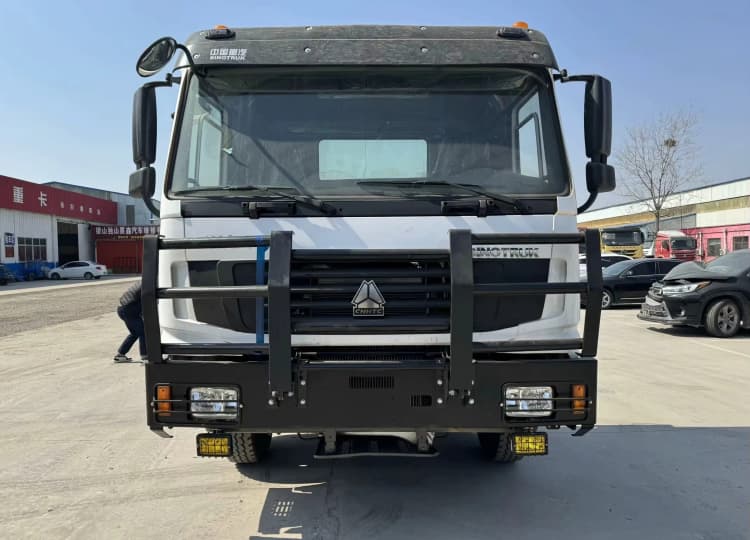
Mistake: A clean, freshly painted truck equals remanufactured
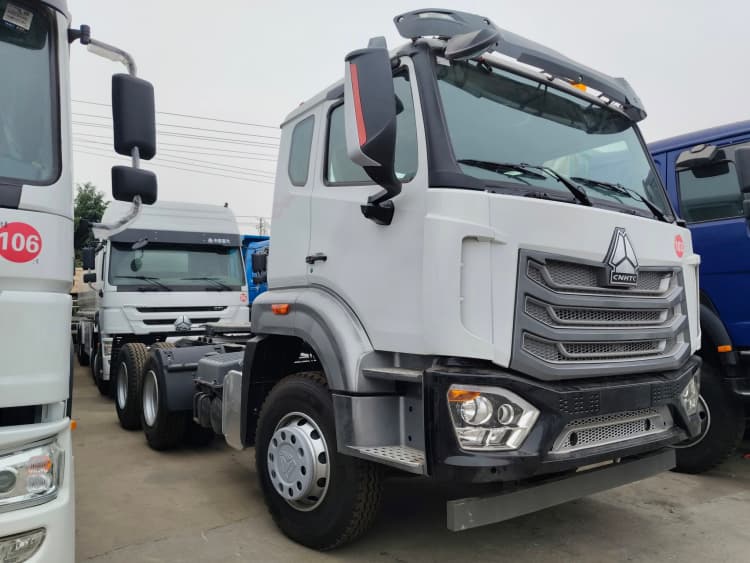
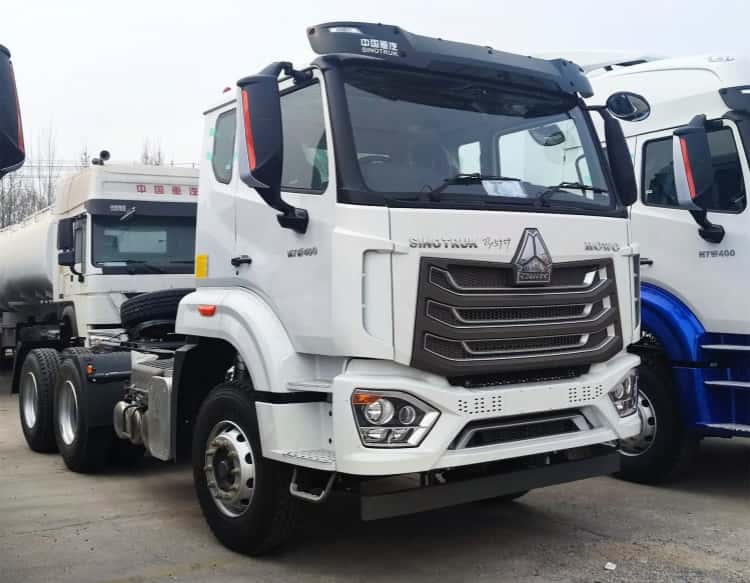
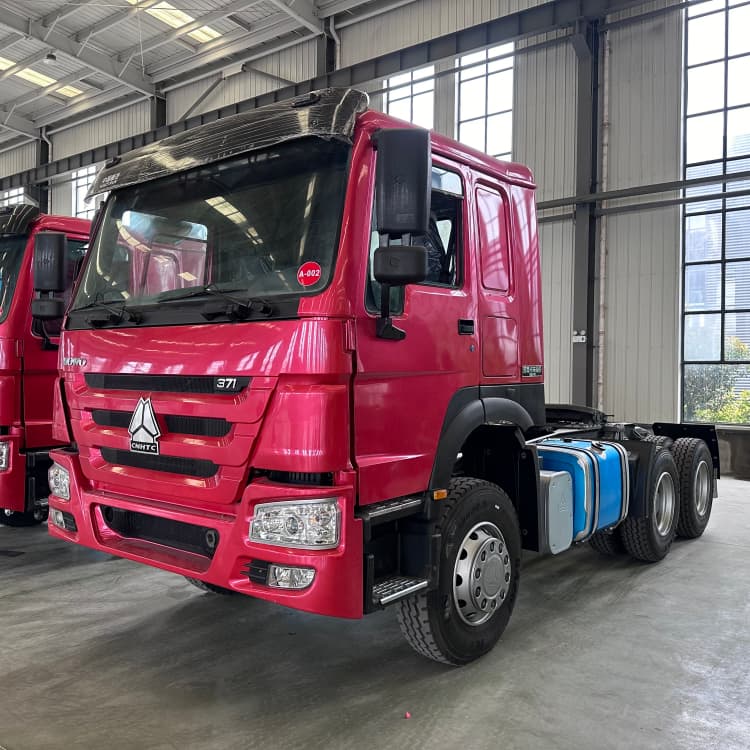
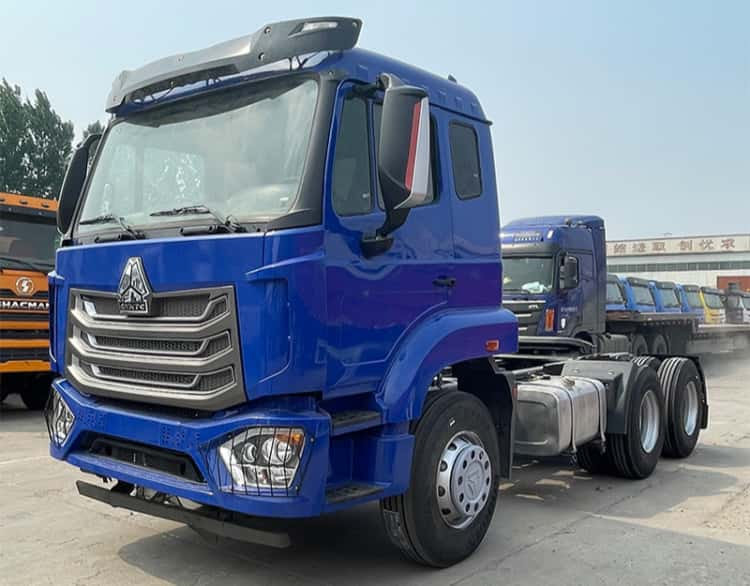
This is the most pervasive misconception in the heavy vehicle market. New buyers see a glossy chassis, refurbished cab and new tires, then automatically label the truck as reman. Surface restoration is cosmetic refurbishment, not industrial heavy vehicle reman. Paint, filler and new trim hide frame corrosion, microcracks and fatigue damage rather than fix them.
A genuine heavy vehicle reman build is defined by full teardown, NDT screening and component grading, not visual appearance. A truck can look brand-new and still carry uninspected, high-risk load-bearing components.
Mistake: Low mileage means the core is good
Beginners often treat odometer reading as the primary measure of core quality. Mileage is only one weak signal. A truck with relatively low mileage may have spent its life under chronic overloading, frequent overheating, harsh mining duty or corrosive chemical exposure. These operating histories create rapid material fatigue even with fewer kilometres.
Conversely, a high-mileage truck operated gently and maintained well may still retain enough residual capacity to qualify as a reman core. REMAN ROAD prioritises structural integrity and fatigue margin, not the number on the dash.
Mistake: Vehicle Reman is just a fancy word for engine overhaul
Many newcomers assume heavy vehicle remanufacturing only applies to the engine. They accept offers where only the powertrain is rebuilt, while the frame, axles, suspension and braking systems remain unopened and untested.
Whole-heavy vehicle remanufacturing evaluates every critical load-bearing system. An engine overhaul on an uninspected frame is not reman. If the frame or axle housing holds hidden cracks, even a perfect rebuilt engine cannot prevent catastrophic roadside failure. Overhaul is subsystem work; reman is a full-vehicle lifecycle reset.
Mistake: If it passes a road test, it is safe and certified
A short road test is reassuring for first-time buyers, but it cannot uncover latent fatigue defects. Road tests check basic function, leaks and noise under light, short-run conditions. Subsurface cracks often stay dormant until repeated heavy cyclic loading triggers propagation weeks or months later.
Under the standard, road validation is only the final integration check. The critical quality filters — dimensional inspection, NDT and bench testing — must happen at component and subassembly stage. Relying solely on a test drive is one of the riskiest shortcuts a buyer can take.
Mistake: Vehicle Reman should be as cheap as ordinary rebuilt stock
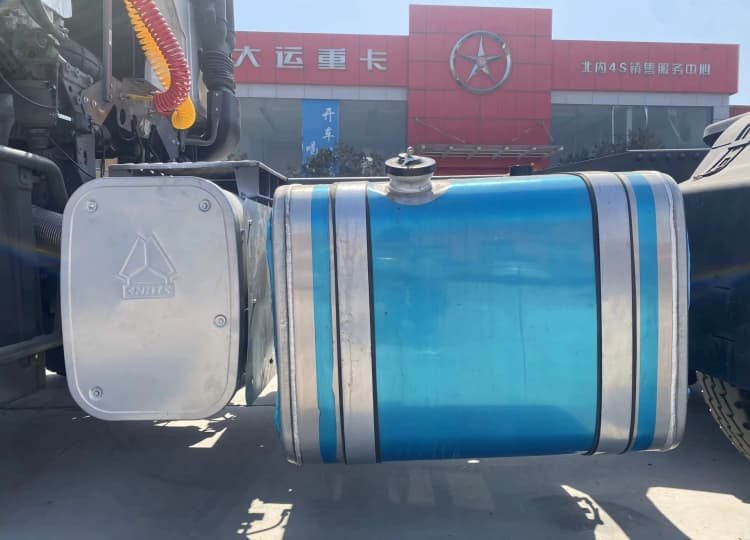
New buyers sometimes enter negotiations expecting certified reman pricing to match low-end rebuilt or cosmetic-refurbished trucks. Genuine heavy vehicle reman carries unavoidable costs: core screening, full disassembly, industrial cleaning, calibrated NDT equipment, bench testing, mandatory wear-part replacement and auditable documentation. It will sit above the price of quick rebuilds, though still far below a brand-new heavy truck. When a “certified heavy vehicle reman” price looks too good to be true, the supplier has almost certainly skipped core qualification, NDT or grading gates.
Mistake: The warranty covers everything automatically
Beginners often believe the label “reman warranty” means all failures will be covered. In reality, warranty scope depends entirely on what work was completed and documented. Warranties for non-standard rebuilds commonly cover only the parts the shop replaced. If hidden frame fatigue causes a breakdown, the claim will be rejected.
A REMAN ROAD warranty is broader because every critical component was inspected and graded, but it still excludes misuse, overloading and inadequate ongoing maintenance. Buyers must read coverage boundaries and match them against the build dossier.
Mistake: Reusing parts that “look fine” saves money safely
It is natural to assume a component without obvious rust or damage can stay in the build. This logic fails for heavy-duty assets. Fatigue cracks, wall thinning and material degradation are often invisible to the naked eye. Seals, fasteners and bearings can appear intact yet have consumed most of their design life.
Certified heavy vehicle remanufacturing replaces these wear items by default. Reusing visually acceptable but untested consumables introduces premature failure risk that undermines the whole lifecycle reset.
Mistake: All reman suppliers follow the same rules
New buyers frequently treat “heavy vehicle reman” as a universal, regulated term. In most markets, it is not. Any workshop can print the word on an invoice, with zero enforcement. There is no global default definition.
REMAN ROAD sets consistent gates, but many operators use their own loose internal standards. One supplier’s reman may mean full teardown and NDT; another’s may mean patch repairs and paint. The burden falls on the fleet buyer to verify the process, not trust the label alone.
Mistake: Reman removes the need for ongoing fleet maintenance
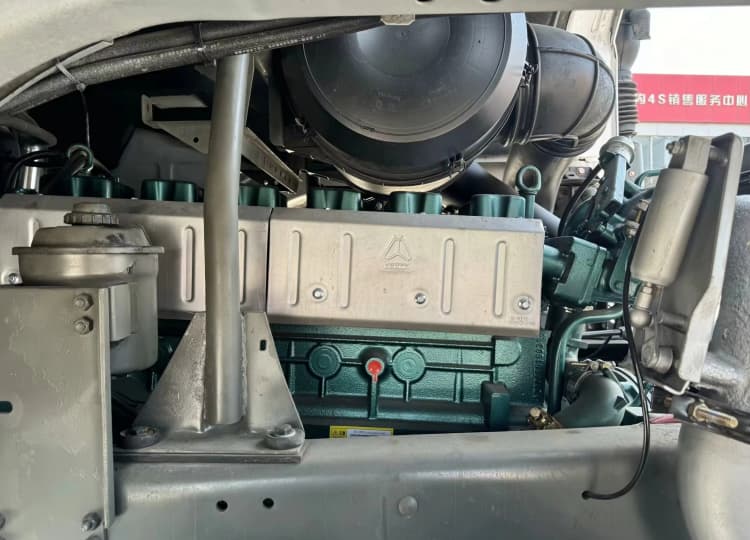
A hopeful but dangerous assumption: once remanufactured, the truck will run trouble-free with minimal service. Heavy vehicle reman resets the asset to a known baseline; it does not make it indestructible. It still follows standard service intervals for oil, filters, brakes and cooling checks. Poor fleet maintenance will wear a certified reman truck down just as it would wear a new truck. Heavy vehicle reman reduces unexpected breakdown risk, it does not eliminate maintenance requirements.
Mistake: Documentation is optional paperwork
Many beginners do not prioritise build records until something breaks. They see inspection reports and grading logs as extra admin rather than proof of quality. The VIN-linked dossier is what turns a rebuild into a certified reman asset.
It validates core intake decisions, NDT results, scrap replacements and bench performance. Without these records, you cannot enforce warranty claims, satisfy insurance audits, prove ESG circularity or demonstrate asset quality at resale. A supplier that cannot provide this file has not delivered standardised vehicle reman.
Closing
Most beginner missteps stem from applying the buying rules for new or used trucks to reman assets. Appearance, mileage, low upfront price and a quick test drive are poor indicators of quality. Genuine reman is defined by process, testing and traceability, not surface cues.
For new fleet buyers, the fastest way to avoid these traps is to stop asking “does it look good?” and start asking for evidence of core qualification, full teardown, mandatory NDT and component grading. These questions separate reliable REMAN ROAD compliant units from the market’s misleading alternatives.