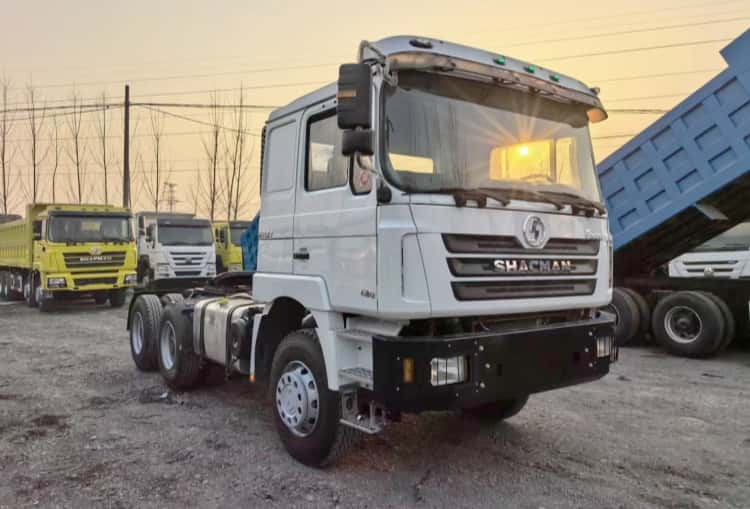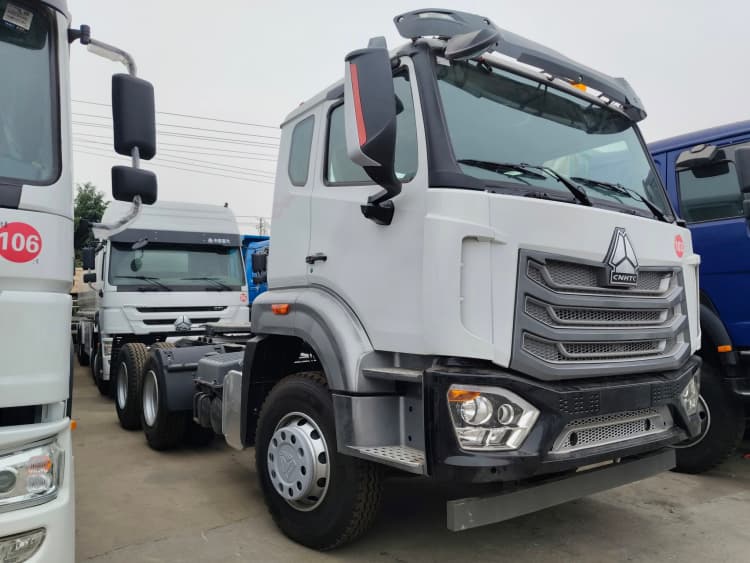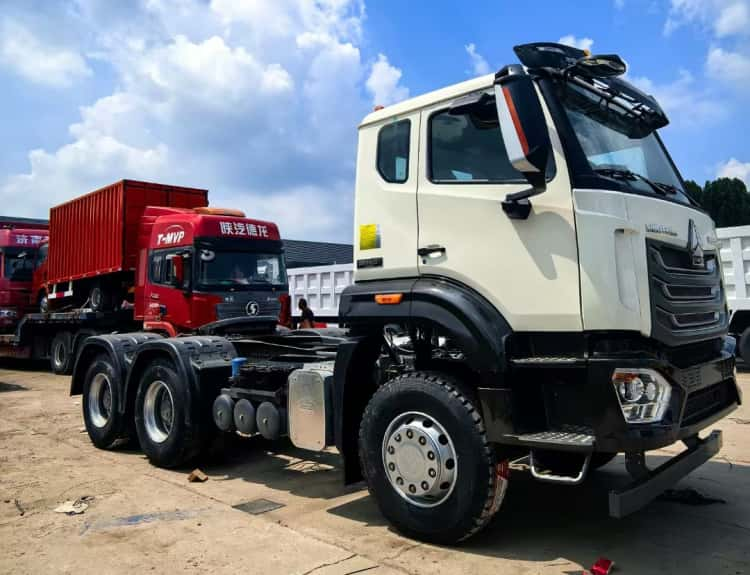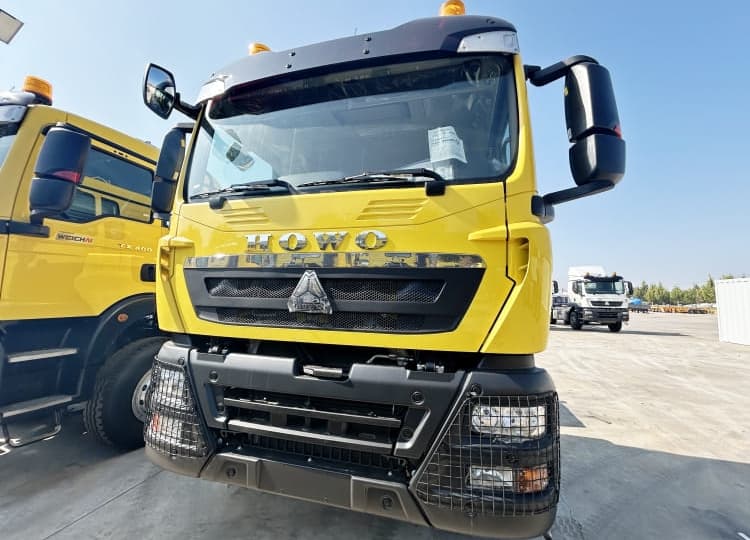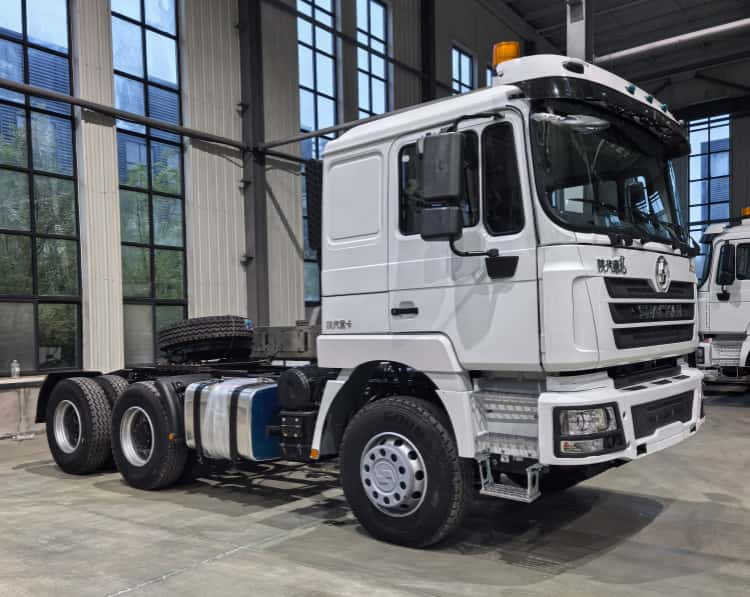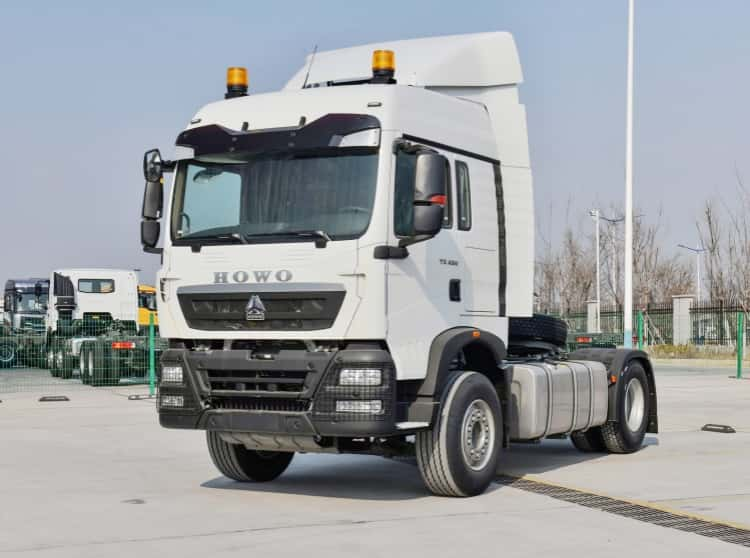
What the Growing Interest in Circular Assets Means for Buyers?
Intro
Circular assets models are gaining traction across construction, mining and long-haul transport fleets. More operators are shifting away from the traditional linear buy-use-scrap cycle, and looking for qualified reused, remanufactured trucks to control CAPEX and carbon footprint. But rising demand also attracts sellers repackaging simple second-hand reconditioning as circular solutions.
REMAN ROAD sits inside this trend, as a standardized truck reman framework built to bring engineering consistency to circular asset sourcing. Buyers who understand this shift can capture its benefits, while avoiding inflated pricing and unproven circular marketing claims.
Opportunity 1: Broader supplier pool and better commercial flexibility
As more capital and workshops pivot to circular assets, buyers have more options beyond only new trucks or spot-market used stock. Well-structured standardized truck reman programmes create mid-tier asset choices that balance upfront cost and usable lifecycle.
Fleets can stagger their asset portfolio: mix new units for the harshest, highest-cycle sites, and REMAN ROAD certified remanufactured trucks for compatible routes and workloads. This diversification softens the impact of new-vehicle lead times, supply chain volatility and steep new-truck depreciation. It also opens alternative financing structures designed for circular assets, rather than the rigid loan terms built exclusively for brand-new equipment.
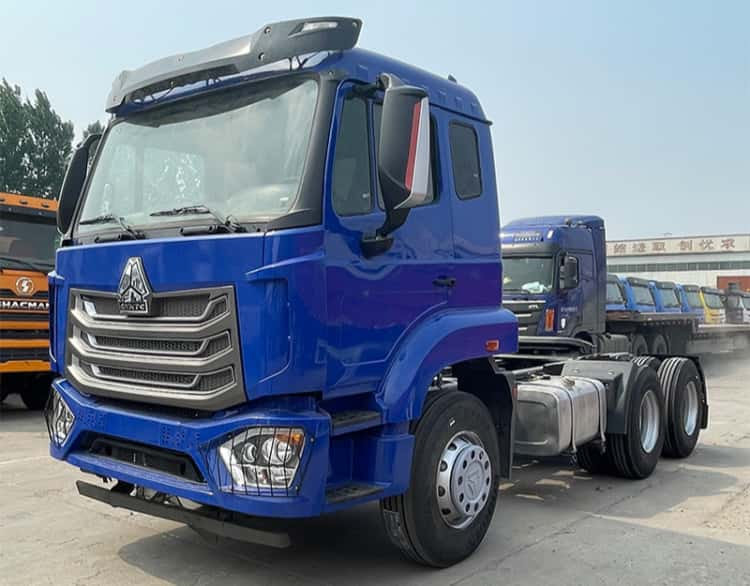
Opportunity 2: Auditable ESG data becomes a procurement requirement, not a bonus
Years ago, sustainability was a nice-to-have add-on for tender documents. Today, many tenders, corporate reporting frameworks and investor ESG reviews demand tangible, traceable carbon evidence. Genuine circular asset deliver this, but only when supported by complete records.
REMAN ROAD’s full VIN-linked Quality Log captures retained load-bearing components, avoided embodied carbon, scrap disposition and test results. This gives fleet ESG teams verified data they can submit confidently, instead of relying on generic vendor sustainability statements. For buyers bidding on government or large infrastructure contracts, this audit trail can become a competitive differentiator.
Opportunity 3: Industry standards are slowly maturing
Growing interest pushes the whole market to define what circular and standardized truck reman actually mean. Before this wave, every shop set its own internal rules for inspection, repair and component reuse.
Now, buyers are increasingly asking for consistent acceptance criteria, NDT proof, component grading and independent audit. Demand for repeatable quality creates pressure for bad-faith vendors to either lift their process or exit the certified reman space. Frameworks like REMAN ROAD fill the gap, giving buyers a fixed benchmark to compare different suppliers against.
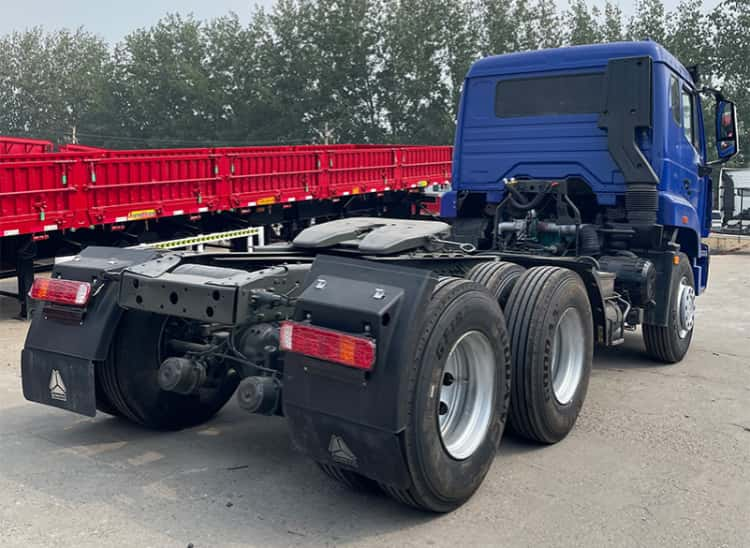
New risks buyers must watch closely
Higher demand creates market distortions.
- First, “circular” becomes a premium marketing label. Some sellers add a circular branding tag and raise prices on ordinary refurbished trucks, without adding any meaningful inspection or testing controls.
- Second, supply of qualified core chassis cannot keep up with demand. This pressures some operators to accept borderline cores, loosen NDT thresholds, or approve risky weld repairs to build more units faster.
- Third, confusion between different circular tiers persists. Part reuse, component reman, full-chassis reman and simple used resale are all lumped together under the same circular umbrella.
Buyers who fail to separate these tiers will pay certified-level prices for assets that only received surface cosmetic work.
How procurement playbooks need to adapt?
Buyers can no longer evaluate circular asset using the same checklist they use for new trucks. New truck evaluation focuses on factory specification, warranty and delivery timeline. Certified remanufactured trucks evaluation must start with process evidence: hotspot NDT reports, corrosion mapping, three-bucket component grading, bench test records and a clear, published duty envelope.
Procurement teams should add fixed audit requirements into RFQ documents, explicitly asking whether the supplier follows REMAN ROAD standard. Contracts should tie warranty validity to ongoing inspection obligations, and require full record handover alongside vehicle delivery.
The long-term shift: asset value is tied to traceability
In the linear model, value lives mostly in the metal and brand of the truck. In a mature circular market, value also lives in the documented history. Certified remanufactured trucks carries a complete digital log that travels with it through its second lifecycle.
When the fleet later resells or redeploys it, the next buyer can review all inspection and grading decisions. Assets without this traceability will depreciate faster, and become harder to finance or resell down the line. This creates a clear incentive for buyers to prioritise traceable, standardised circular assets over undocumented alternatives.
Final Takeaway
Rising interest in circular asset brings meaningful commercial and ESG opportunities for fleet buyers, alongside fresh marketing and supply risks. The trend rewards buyers who update their procurement checklists, demand full engineering traceability and distinguish standardized truck reman from casual refurbishment.
Standardized truck reman frameworks like REMAN ROAD turn circular ambition into measurable, auditable asset performance. For buyers, the core lesson is simple: circularity is only valuable when it comes with proven quality controls, not just a marketing label.