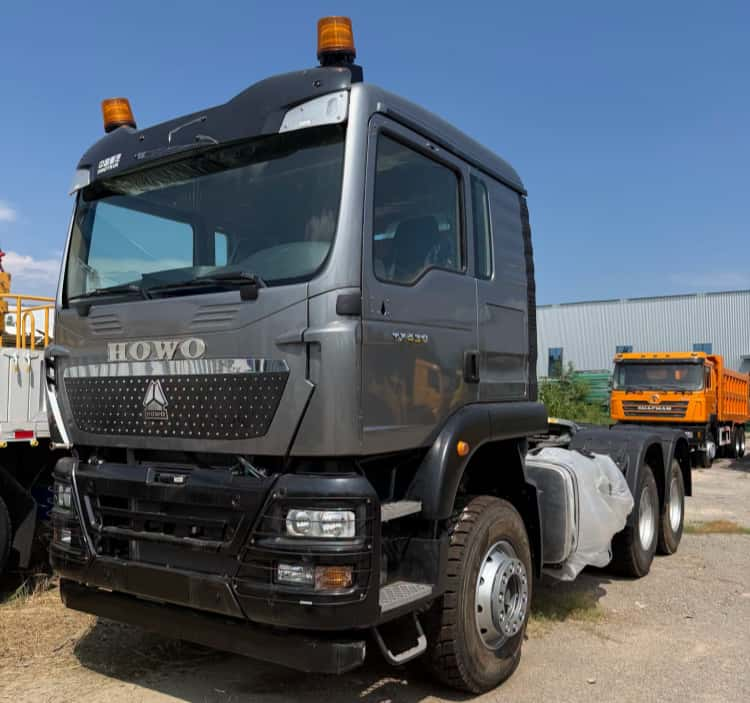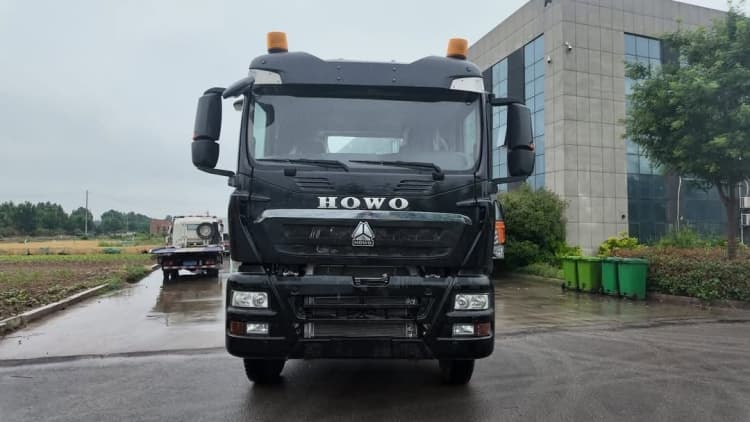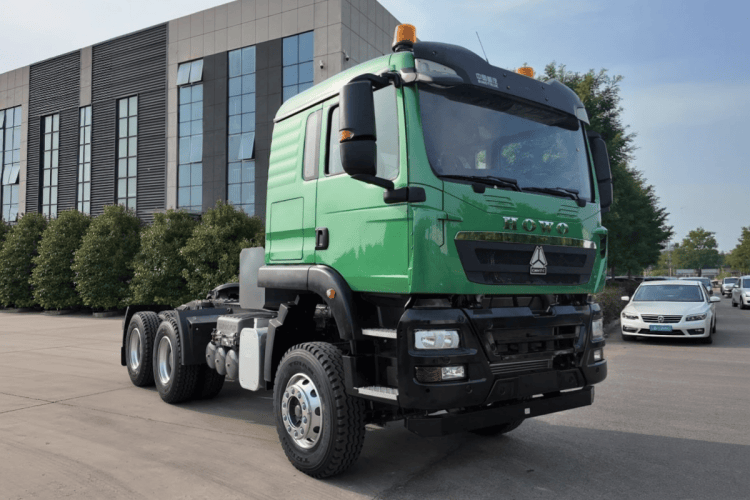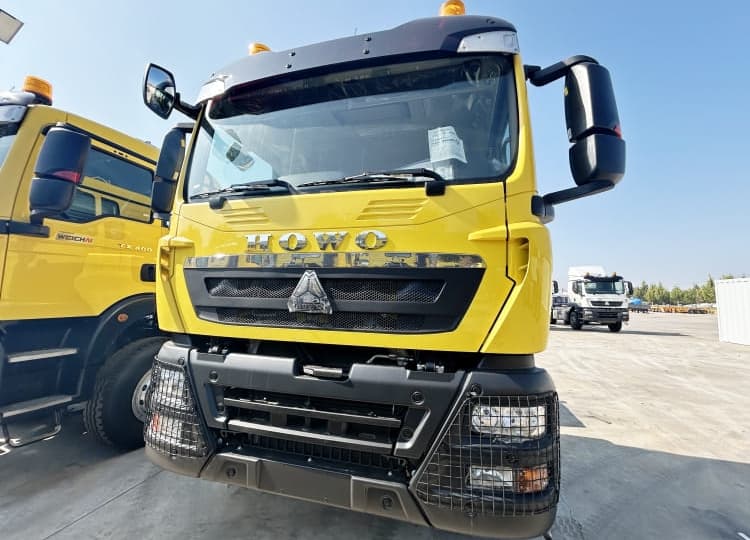
Clearing Up Confusion Between Reconditioning and Remanufacture
Intro
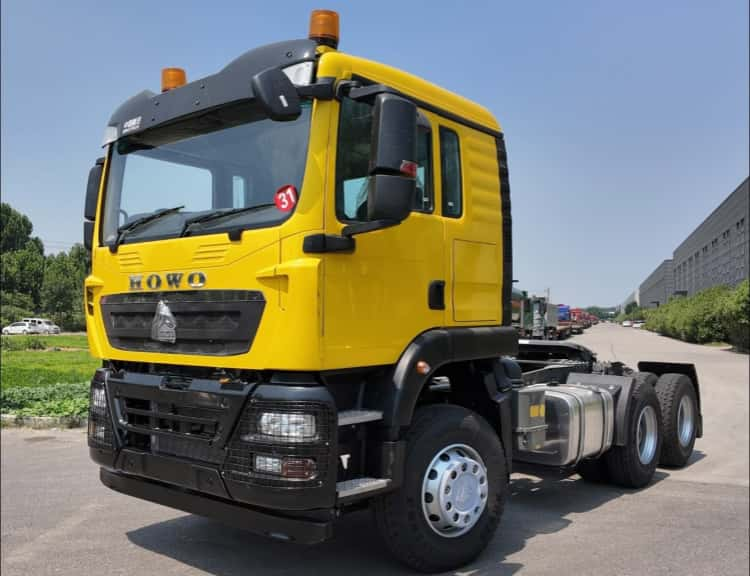
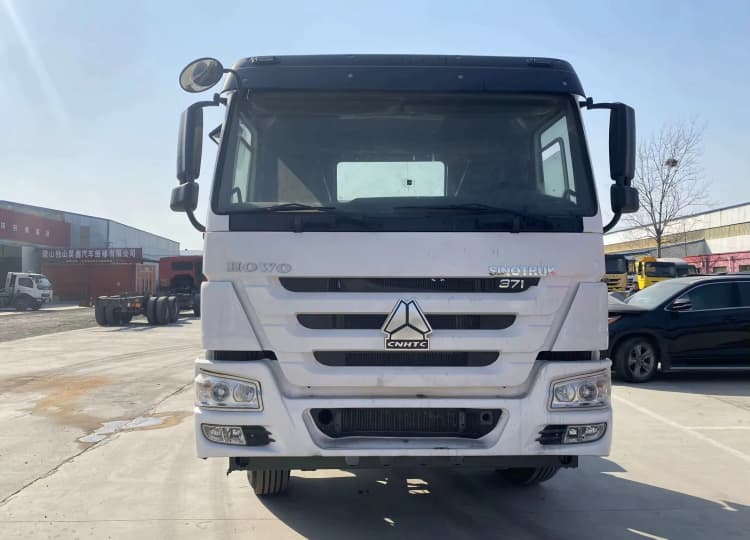
Many heavy truck buyers see the two terms used interchangeably in listings and sales pitches. Both processes take a used chassis and return it to working condition. Yet the depth of evaluation, component decision rules and expected service life are not the same. Mixing them up leads to wrong TCO assumptions, unexpected downtime and disappointment when asset performance fails to match expectations.
REMAN ROAD defines genuine remanufacture as a rigorous, standardised lifecycle reset, while reconditioning sits as a less invasive, service-focused repair pathway. Understanding the dividing line is one of the most fundamental checks for any reman procurement team.
Core purpose difference
Reconditioning’s primary goal is to return the truck to functional operating order. It fixes obvious faults, replaces broken parts, cleans surfaces and addresses known leaks or failures. The standard is simple: the vehicle starts, drives, brakes and completes its basic job. It does not aim to reset the whole asset’s fatigue baseline.
Certified remanufacture under REMAN ROAD is an engineering reset. It targets the full restoration of system performance to OEM specification, with quantified residual fatigue margin and a defined duty envelope. The genuine remanufacture goal is not just “it works today”, but predictable, repeatable reliability over a planned second lifecycle.
Component decision rules
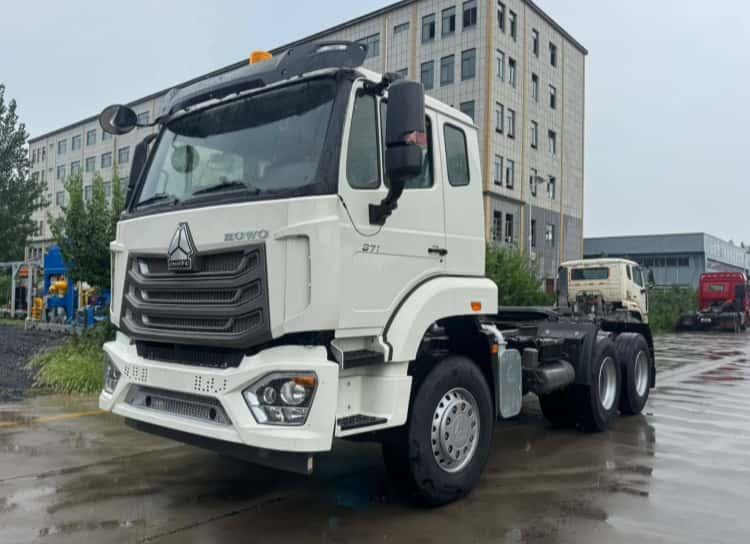
Reconditioning follows a fault-based replacement logic. Technicians only swap parts that are visibly broken, leaking or failed during testing. Intact-looking wear components such as seals, bearings and rings are usually kept in place, even if they are near the end of their fatigue cycle.
REMAN ROAD certified remanufacture uses the three-bucket grading system for every disassembled component. All mandatory renewal parts are replaced unconditionally, regardless of visual condition. Retained structural parts must pass NDT, corrosion mapping and dimensional checks; borderline or failed components go to scrap. This is the biggest practical gap between the two workflows.
Inspection scope and measurement
Reconditioning relies heavily on visual checks, idle tests and short road runs. It may include basic pressure and leak checks, but it rarely runs formal hotspot NDT, frame straightness mapping or ultrasonic corrosion surveys. Hidden subsurface cracks, pitting clusters and subtle frame twist usually remain undetected.
REMAN ROAD standardized remanufacture starts with full disassembly of all critical systems. Inspectors run hotspot NDT scanning, corrosion mapping, frame geometry measurement and bench dyno testing for powertrain assemblies. Every measurement is logged to the VIN Quality Log and available for third-party audit. Problems that do not show up during a test drive are captured before assembly.
Documentation and traceability
Reconditioned trucks typically come with minimal paperwork. You may get a test drive note and a repair invoice listing the parts that broke and were replaced. There is no standardised record of which structural components were evaluated, what tolerances were used, or what fatigue risks remain.
REMAN ROAD standard remanufacture carry a complete audit trail. This includes component grading decisions, weld repair approvals, dyno output reports, calibration records for test equipment and the final assigned duty envelope. The documentation travels with the asset and supports warranty, maintenance and ESG reporting.
Expected service life and risk profile
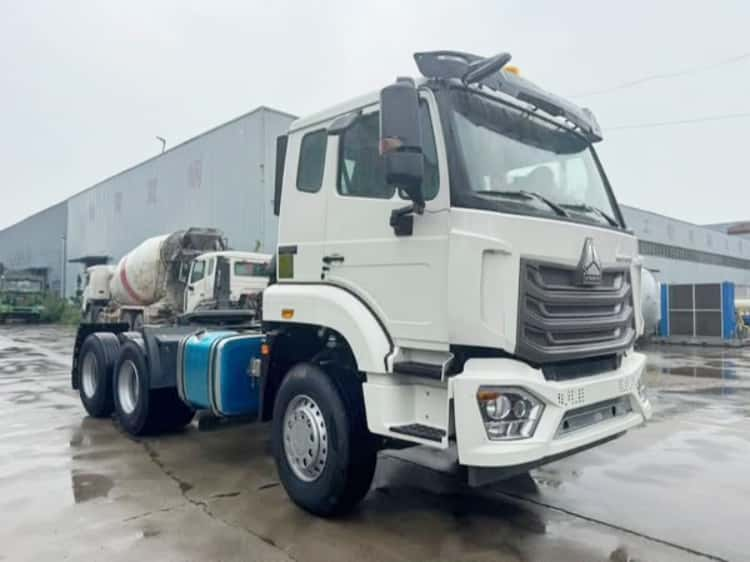
A properly reconditioned truck can deliver useful service, but its remaining lifespan is hard to forecast. Latent wear in retained consumables and uninspected structural points means failures can appear randomly. Its depreciation curve is volatile, and lenders often treat it as a regular used truck.
REMAN ROAD standard remanufactured trucks have a quantified fatigue margin. The duty envelope sets payload limits and required follow-up NDT intervals matched to the component inspection results. Fleets can build stable TCO models, schedule planned inspections and forecast ROI with much higher confidence.
How marketing often blurs the line?
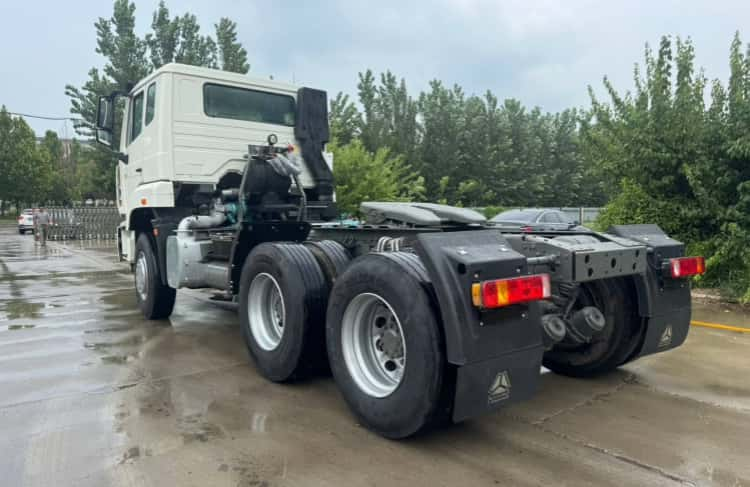
Many sellers advertise reconditioned trucks as “remanufactured” to command a higher price. They paint the chassis, fix obvious leaks and run a quick road test, then use the reman label. The buyer pays for the engineering standard of remanufacture, but receives only the risk profile of reconditioning. This confusion fuels the broad distrust of reman trucks across many fleets. REMAN ROAD genuine remanufacture certification is designed to cut through this ambiguity by tying the reman label to a fixed, auditable process.
When each option makes sense for a fleet?
Reconditioning can be a valid choice for short-term, low-risk deployment. If a fleet needs a temporary unit for light duty and short service window, reconditioning’s lower price may fit the use case. The buyer just needs to understand that it is not a certified reman asset and plan for higher breakdown risk.
REMAN ROAD standardized remanufacture fits long-cycle, high-value fleet deployment. It works for mining, construction and heavy transport fleets that require stable uptime, auditable ESG records and predictable budgeting over multiple years.
Final Takeaway
Reconditioning fixes known faults to get a truck back into operation. Standard remanufacture under REMAN ROAD is a system-level, measurement-driven lifecycle reset with strict component grading, mandatory testing and transparent fatigue limits. Confusion between the two creates procurement risk and distorted ROI expectations.
For buyers, the simplest litmus test is documentation: if there is no full inspection trace, no NDT hotspot records and no formal duty envelope, the unit is reconditioned, not genuine certified remanufacture.