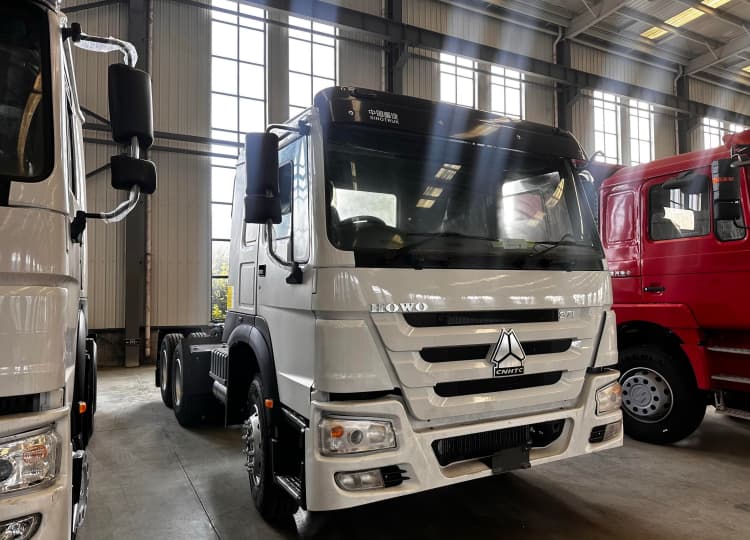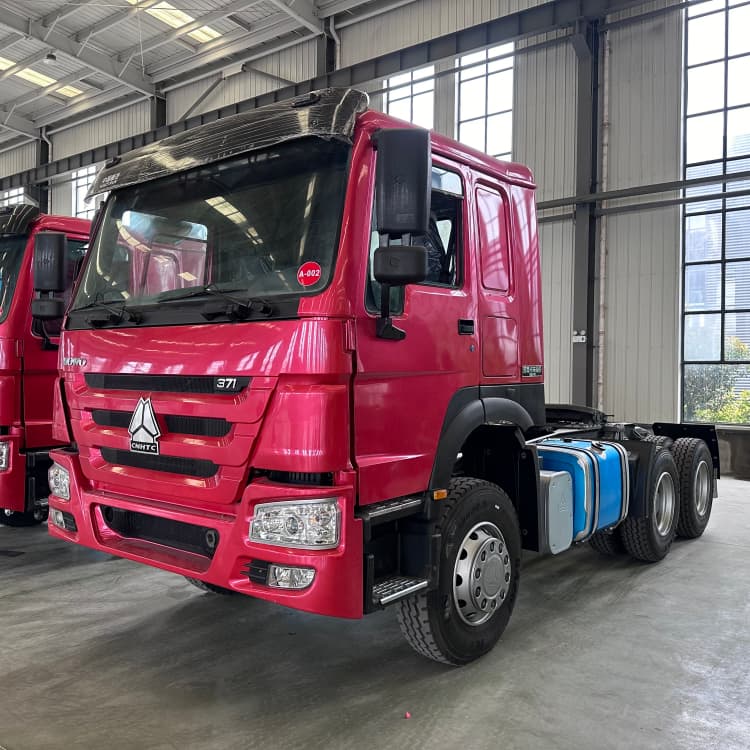
A Short Guide to the Common Questions Fleets Ask About Heavy Reman Trucks
Introduce
Fleet asset managers evaluating certified heavy reman trucks often return to the same set of practical questions. Many of these questions stem from confusing reman with overhaul, used truck purchase or regular repair. This guide collects the most frequent inquiries, with clear, engineering-grounded answers aligned to the REMAN ROAD standard. It helps procurement and maintenance teams cut through marketing language and frame discussions with suppliers correctly.
Q1: Is a reman truck just a used truck with a new engine?
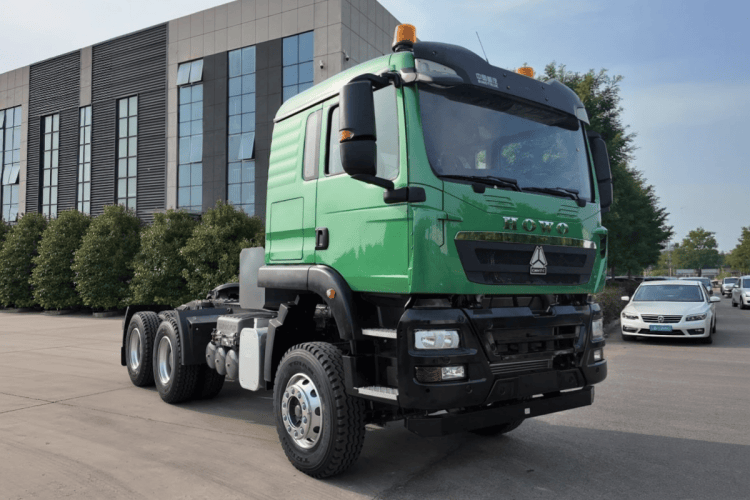
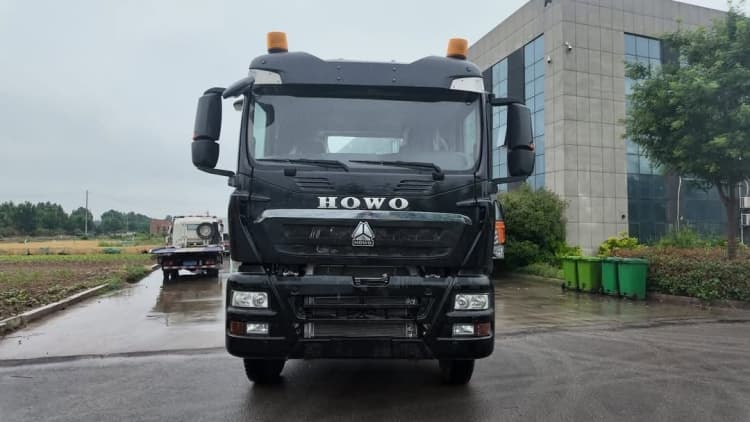
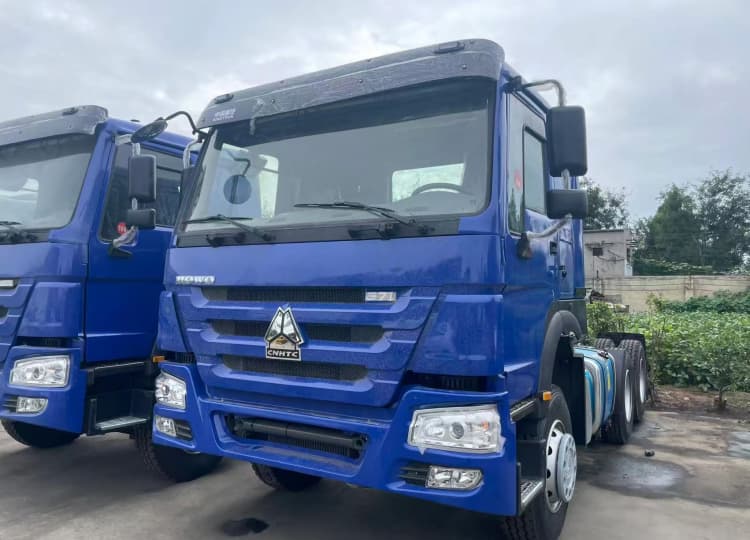
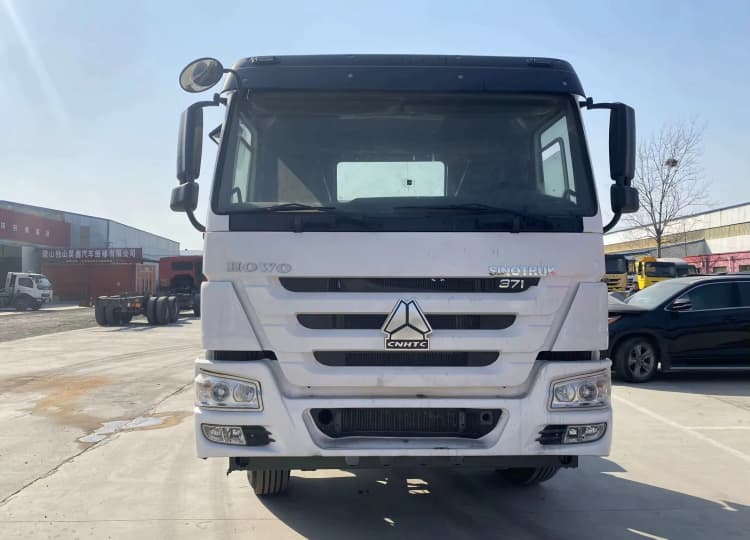
No. A new engine alone is only a component overhaul. True certified heavy reman trucks for sale requires full system assessment of the entire vehicle. The frame, axles, suspension brackets, braking, cooling, hydraulics and electronic control systems all pass fatigue screening, inspection and mandatory renewal workflows. The core chassis must first meet residual fatigue acceptance rules. If the frame fails the fatigue gate, the asset cannot become certified heavy reman trucks, even if a brand-new engine is fitted.
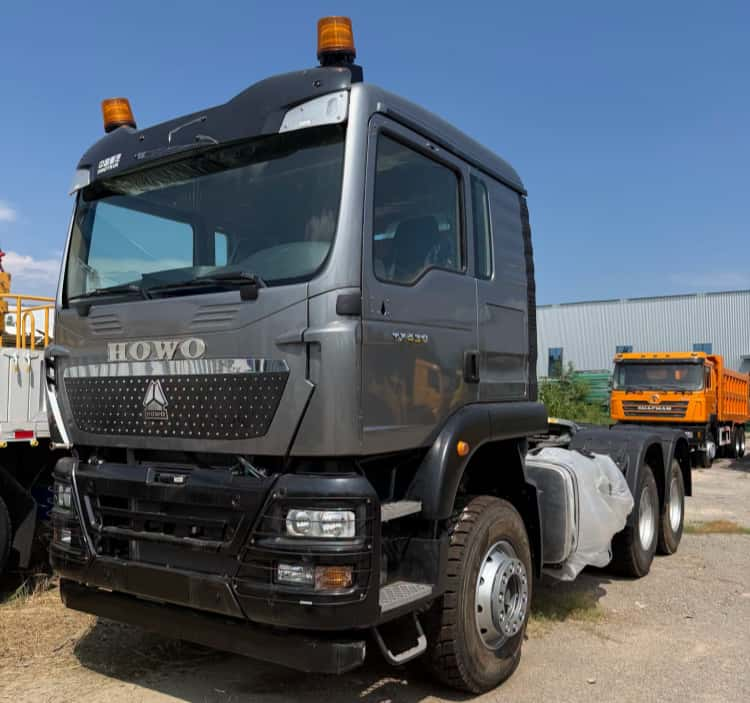
Q2: Can reman trucks match the reliability of brand-new trucks?
When built to standard, heavy reman trucks for sale operate within OEM design margins and carry predictable failure curves similar to new units for their defined second lifecycle. They will not have the unlimited design reserve of a factory-fresh chassis, because the base metal already has accumulated service cycles. The reliability promise is not “as good as new forever”. It is a guaranteed, auditable service window with known residual fatigue margin, stable maintenance intervals and whole-system warranty.
Q3: What is the biggest risk when buying non-certified reman truck?
The largest hidden risk is unseen fatigue damage. Cosmetic rebuilds and partial overhauls only fix visible faults. They skip NDT structural testing and full chassis evaluation. The truck may start and drive well, but critical load-bearing zones can carry unmeasured microcracks. These failures tend to happen suddenly under heavy payload, creating safety hazards and costly unplanned downtime.
Q4: How does reman truck affect my fleet’s TCO compared to new or used trucks?
Certified heavy reman trucks for sale sits in the middle of the TCO curve. Its upfront CAPEX is lower than buying new, while its downtime risk and maintenance volatility are far lower than uninspected used trucks. The financial advantage depends on predictable uptime and residual value. If the heavy reman trucks for sale is properly certified, its depreciation curve is smoother, and its residual value at the end of the second lifecycle can be forecast reliably. Cheap non-certified rebuilds usually erase this benefit through frequent breakdowns.
Q5: What does the warranty actually cover?
Certified heavy reman trucks warranty applies to the whole validated system, not just one replaced component. It covers structural assemblies, powertrain, braking and calibrated electronic systems within the agreed second-life operating envelope. It does not cover abuse, overload beyond rated capacity, poor routine maintenance or unapproved aftermarket modifications. Always ask to see written exclusions, and confirm whether structural failure is included.
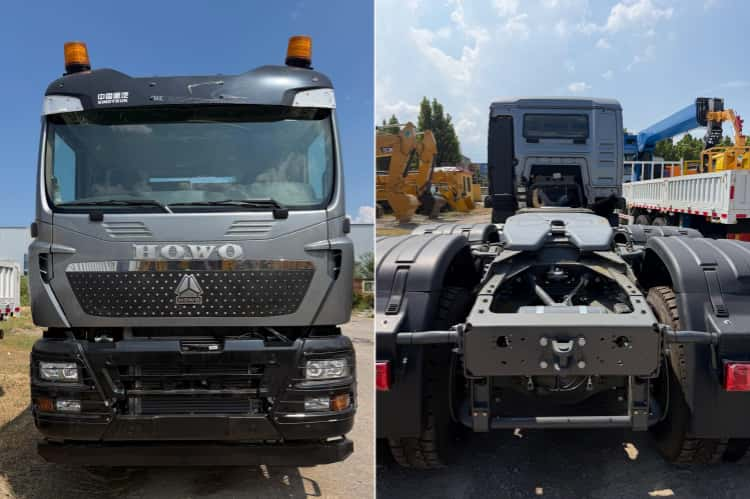
Q6: Can I put a reman truck into the same heavy-duty service as a new truck?
Only if its fatigue assessment and certification explicitly approve that duty cycle. Some heavy reman trucks are cleared for full heavy-duty mining or long-haul transport. Others, with lower residual fatigue margin, are restricted to lighter cyclic work. A reputable supplier will state the approved duty profile clearly in the documentation. Running heavy reman trucks outside its approved duty envelope consumes its remaining safety margin rapidly.
Q7: What documents should I receive with certified heavy reman trucks?
You need a VIN-linked traceability package. This includes core qualification records, NDT fatigue reports, dimensional inspection logs, mandatory component replacement lists, calibration snapshots and end-of-line loaded test results. A single certificate is not enough. The supporting audit trail is what proves the reman workflow was completed at every gated stage.
Q8: Can a reman truck go through reman again after its second life ends?
It is possible, but not automatic. At the end of the second lifecycle, the asset must re-enter the same core qualification process. Engineers re-evaluate its remaining fatigue margin. If it still meets the acceptance threshold, it may qualify for another cycle, often for reduced-duty applications. If fatigue limits are exhausted, it will be diverted to component harvesting or recycling.
Q9: Are reman parts and reman trucks the same thing?
No. A standalone remanufactured engine or axle is a regenerated component. A reman truck is a harmonised integrated system. A truck assembled from separately remanufactured donor parts is a patchwork build. It lacks the unified fatigue baseline and matched system balance that comes from resetting a single original core, and it cannot receive full REMAN ROAD vehicle certification.
Q10: What red flags should make me walk away from a supplier?
Watch for sellers who cannot share NDT fatigue reports, refuse full-system test records, only provide engine-focused scope, or market units as “remanufactured” without a published standard and independent audit trail. Extreme low pricing, vague warranty wording and power tuning modifications outside OEM specifications are also strong warning signs.
Closing thought
These questions reflect the core practical concerns of fleet buyers: reliability, risk, documentation, warranty and total cost. Certified heavy reman trucks is not a simple price-saving shortcut. It is a controlled asset lifecycle intervention, built on fatigue screening, full system reset, traceability and clear duty-cycle boundaries. When suppliers answer these questions transparently, fleets can make procurement decisions that align with their long-term asset strategy.