Why Certified Remanufacturing Deserves a Place in Modern Fleet Strategy?
Introduce
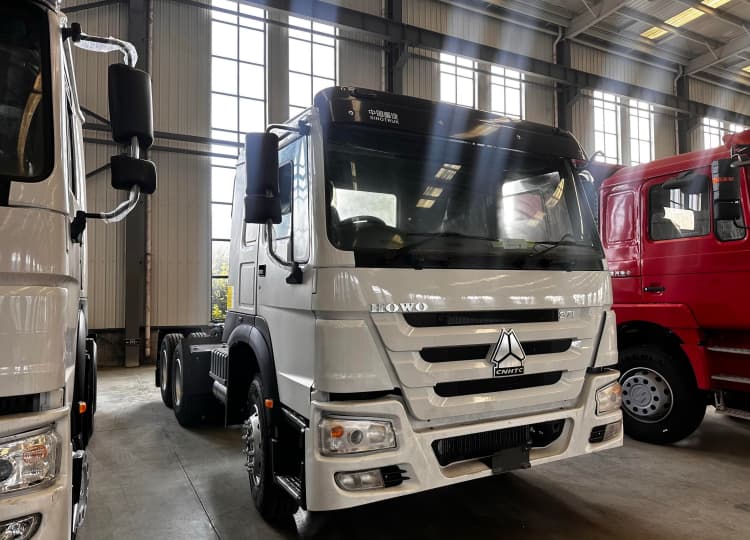
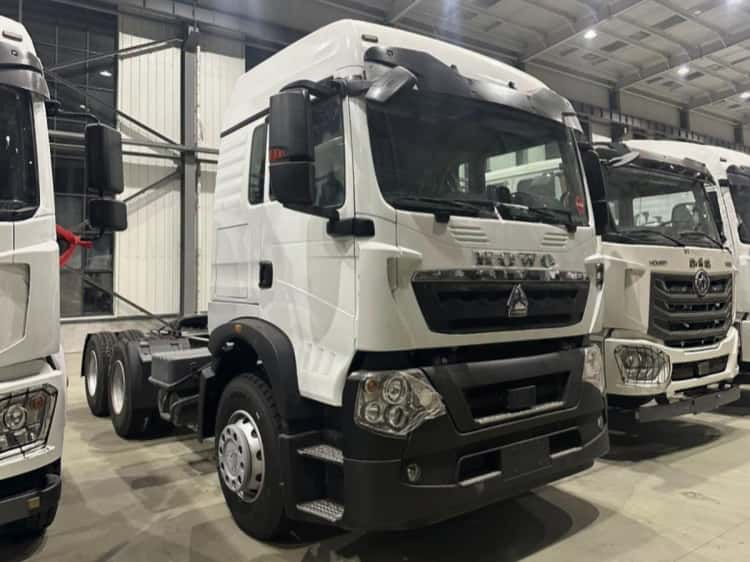
Fleet asset strategies used to lean heavily on two simple options: buy new trucks, or run used vehicles until they fail. This binary framework leaves managers stuck between high upfront capital spend and unpredictable breakdown risk. Certified remanufacturing under the REMAN ROAD standard creates a third, structured asset tier. It is not a temporary budget hack, nor a compromise for operators who cannot afford new equipment. It is a deliberate lifecycle lever that fits alongside new procurement and used-asset rotation, addressing financial, operational and sustainability goals all at once.
It smooths fleet CAPEX peaks and preserves cash flow
New heavy trucks demand large, lumpy capital outlays. When a fleet needs to expand or refresh assets in batches, the sudden hit to capital budgets can strain financing limits and tie up working capital.
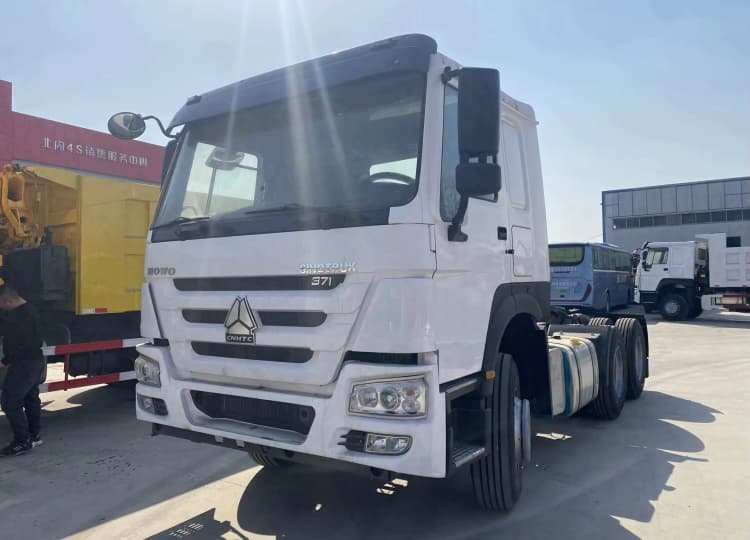
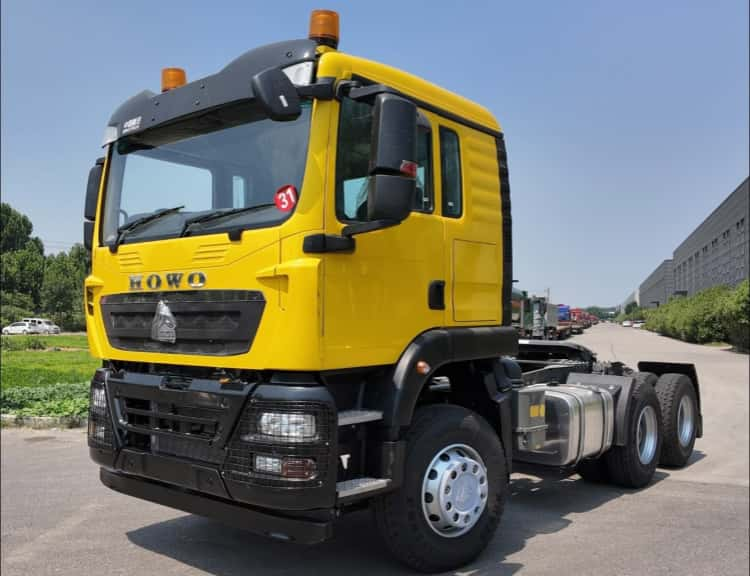
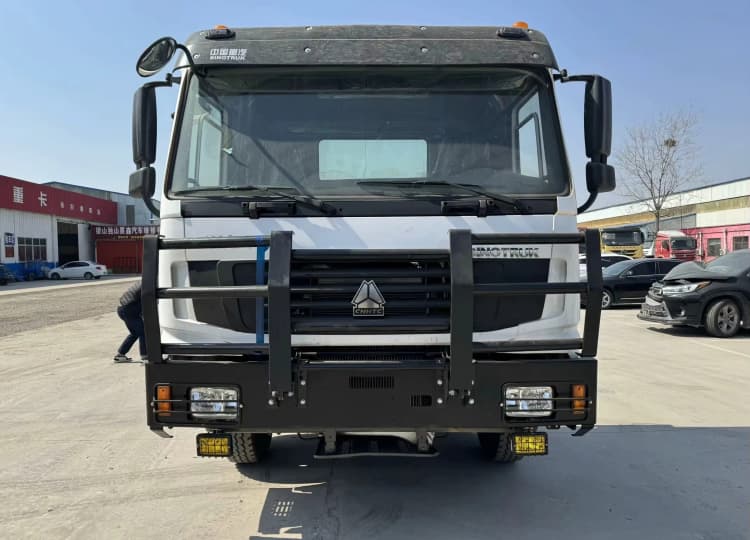
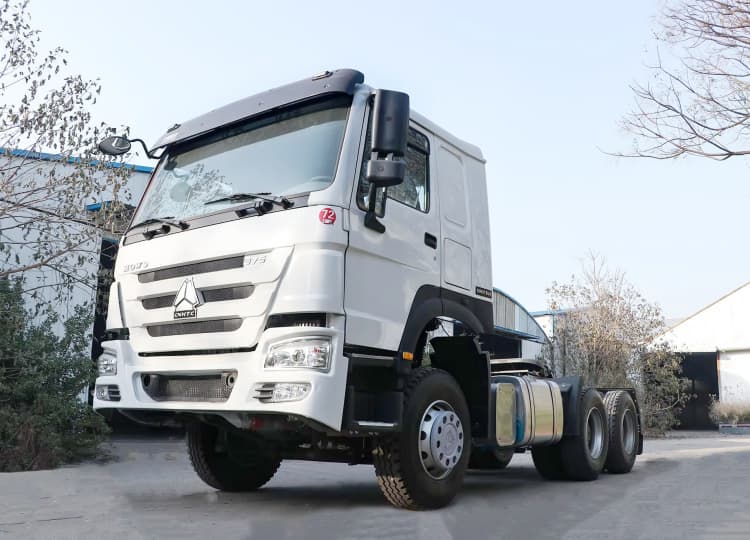
Certified remanufactured truck carry a much lower entry price point than new trucks. This lets fleets spread asset spending across smaller, more regular increments instead of periodic large purchases. It also opens more flexible financing structures, because the asset has a documented, auditable baseline and predictable depreciation curve.
This does not mean fleets stop buying new trucks. Instead, they can build a mixed portfolio: new units for the harshest, highest-availability duty cycles, and certified remanufactured trucks for mainstream long-haul, logistics or medium-heavy mining support tasks. The CAPEX profile becomes far easier to forecast and control.
It delivers a more stable TCO curve than unregulated used assets
Used trucks often look attractive on paper because of low purchase prices. But their hidden costs are hard to model. Unknown fatigue history, undocumented prior repairs and drifting calibration create random failure patterns. Maintenance spending becomes volatile, and downtime losses are difficult to budget for.
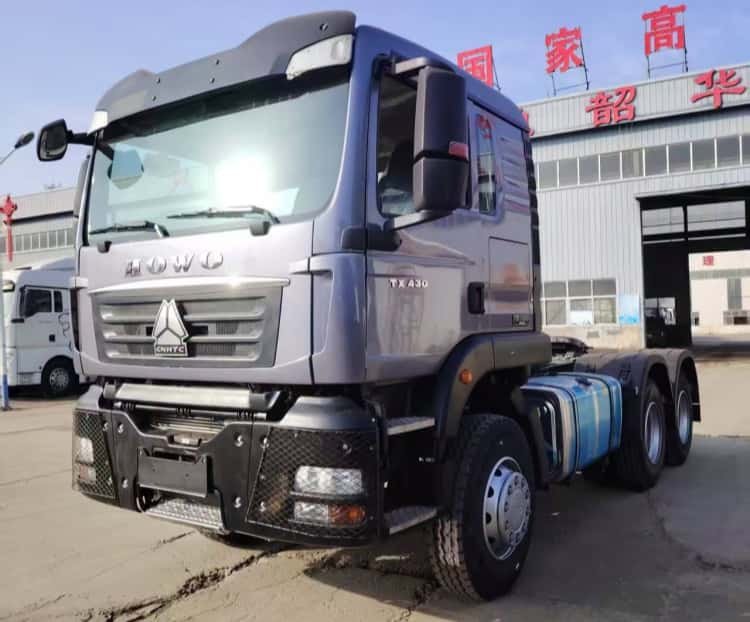
Certified remanufacturing workflow removes most of this uncertainty. Every certified remanufactured truck passes core qualification, fatigue screening, mandatory component renewal, full system calibration and loaded end-of-line validation. The fleet receives a defined maintenance schedule, clear warranty terms and a known residual fatigue margin.
The result is a TCO profile that can be modelled reliably over the second lifecycle. While the upfront cost is higher than buying an uninspected used truck, the reduction in emergency repairs and unplanned downtime usually closes the gap quickly. For fleet planners, predictability is often more valuable than the lowest sticker price.
It creates intentional tiered asset deployment
A mature fleet strategy does not treat every truck as identical. Different routes, payloads, terrain and shift schedules impose different stress levels.
Certified remanufacturing workflow gives managers a flexible middle tier for asset rotation. New trucks can be assigned to the most demanding, high-availability routes where maximum design margin is critical. As new trucks age out of their first lifecycle, eligible cores move into reman and are redeployed to well-matched duty cycles. Units that exit their second lifecycle can be reassessed for lighter work, or routed into component harvesting.
This tiered rotation prevents overloading ageing assets beyond their safe envelope. It also stops fleets from wasting the full premium margin of a brand-new truck on less demanding tasks. Every asset is matched to a duty profile that fits its remaining engineering capacity.
It stabilises residual value and simplifies asset turnover
Residual value is one of the most overlooked drivers of fleet financial performance. Uncertified rebuilds and ordinary used trucks carry heavy value uncertainty. Buyers cannot verify structural inspection history, so they discount heavily to compensate for unknown risk.
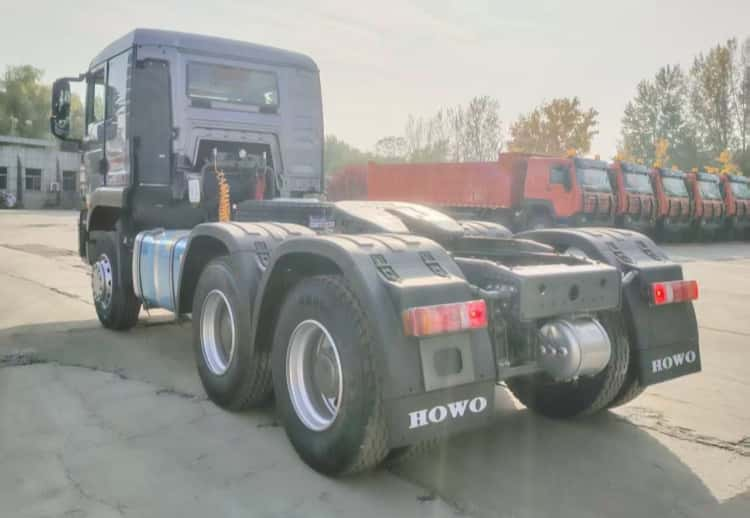
Certified remanufactured truck carries a permanent, VIN-linked traceability record. Inspection data, fatigue results, part renewal logs and validation reports travel with the asset. When the certified remanufactured truck reaches the end of its second life, the next buyer or internal asset team can review its full reman history. This supports more accurate valuation and smoother resale or internal redeployment.
Over time, this creates a repeatable circular turnover loop. The fleet is not forced to scrap assets prematurely or sell them at steep distress discounts. Value is locked into the asset base rather than lost in one-time depreciation shocks.
It reduces operational disruption and downtime risk
Unplanned downtime is disproportionately expensive for heavy fleets. Beyond direct repair bills, it triggers missed delivery contracts, idle labour, penalty fees and cascading scheduling delays.
Partial repairs and cosmetic rebuilds only fix known faults. They leave hidden fatigue and system mismatches untouched, which often lead to sudden, high-impact failures. Certified remanufacturing’s full system reset is designed to avoid this. It eliminates cross-subsystem imbalance, replaces time-critical wear parts by rule, and verifies thermal, vibration and load behaviour under operating conditions.
For fleet operations teams, this shifts the maintenance mindset from reactive emergency fixes to scheduled, planned service. Uptime targets become easier to hit consistently.
It aligns operational performance with ESG and carbon targets
Many modern fleets face reporting requirements for embodied carbon, waste reduction and circularity. Buying new trucks consumes large amounts of embedded carbon from raw material extraction, casting, forging and factory assembly.
Certified remanufacturing defers that embodied carbon footprint across multiple service lives. The chassis and mature subsystems that still meet fatigue standards are retained, instead of being scrapped. Only condemned components are recycled. This cuts the carbon per tonne-kilometre of transport work, without sacrificing operational safety.
Crucially, this is not greenwashing. The environmental benefit only exists when the reman standard is rigorous. Low-quality patchwork rebuilds fail quickly, requiring frequent rework and replacement, which increases waste and carbon output. Certified remanufacturing’s engineering discipline is what makes the circular benefit credible and reportable.
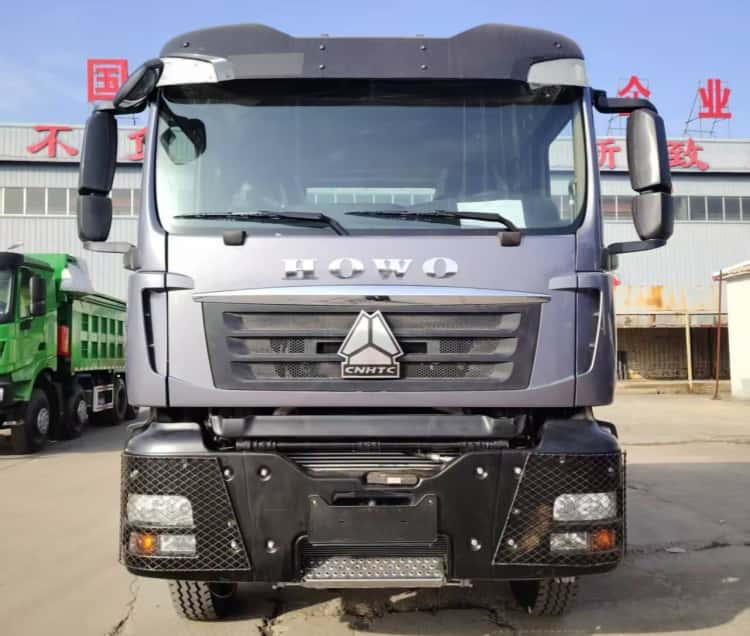
It adds resilience to the parts and supply chain
Global supply chain delays, component shortages and long lead times for new heavy trucks regularly disrupt fleet expansion plans.
Certified remanufacturing builds on a local or regional core inventory. When managed well, it creates a controlled internal supply of usable chassis and subsystems. Instead of waiting months for new factory production, fleets can refresh eligible cores to a certified standard on a predictable timeline. This acts as a buffer against new-vehicle lead-time volatility.
At the same time, the certified remanufacturing workflow feeds usable harvested components into the fleet’s spare-parts pool, creating a more self-sufficient supply chain for routine maintenance.
Closing thought
Modern fleet strategy is built on balance: balancing capital spend and operating cost, balancing risk and uptime, balancing linear procurement and circular asset use. Certified remanufactured truck is not a replacement for new trucks. It is a purpose-built asset tier that fills the gap between expensive new equipment and high-risk used stock.
With predictable TCO, controlled downtime, tiered deployment flexibility, stable residual value and measurable ESG benefits, it earns a permanent place in forward-looking heavy fleet planning.