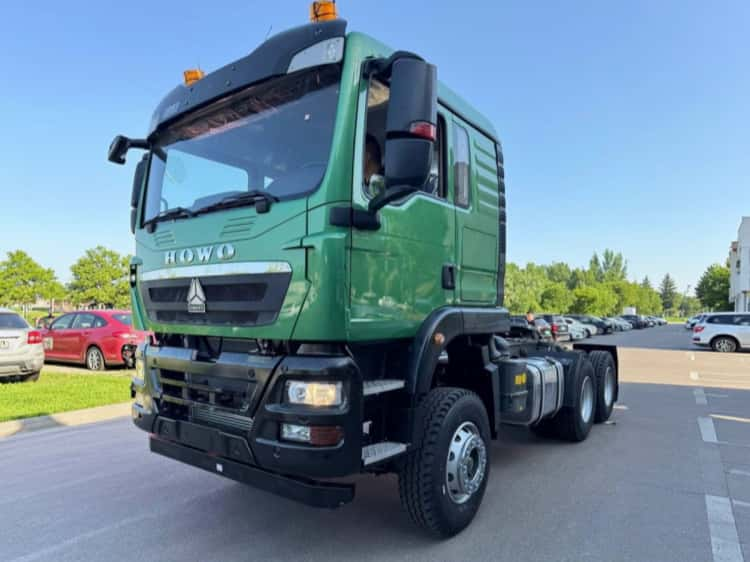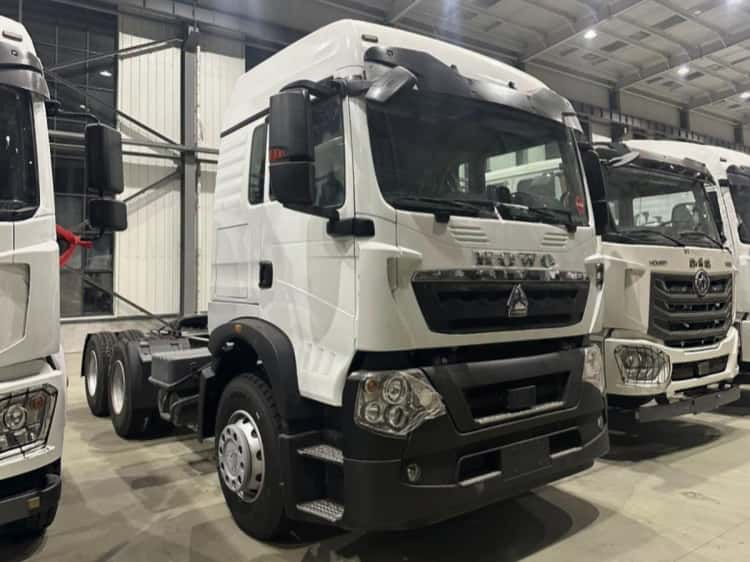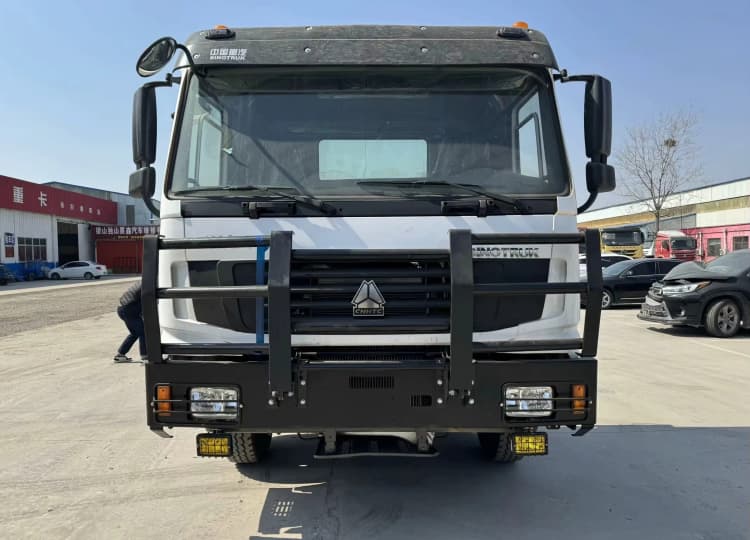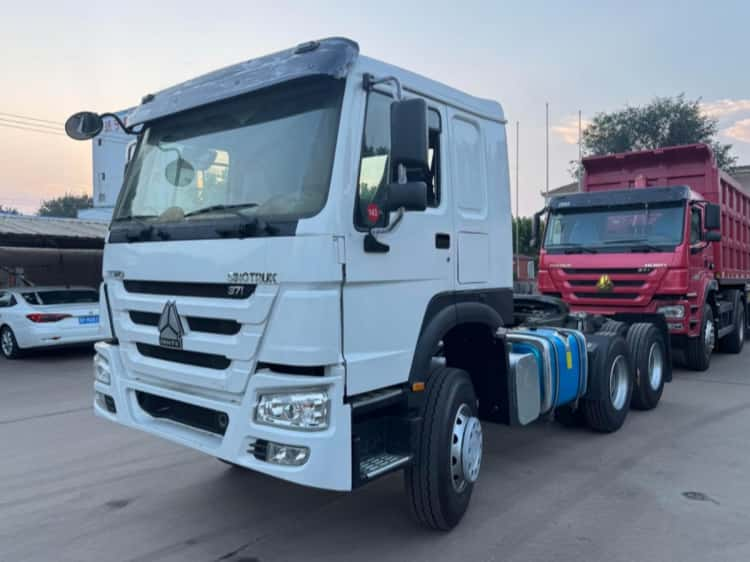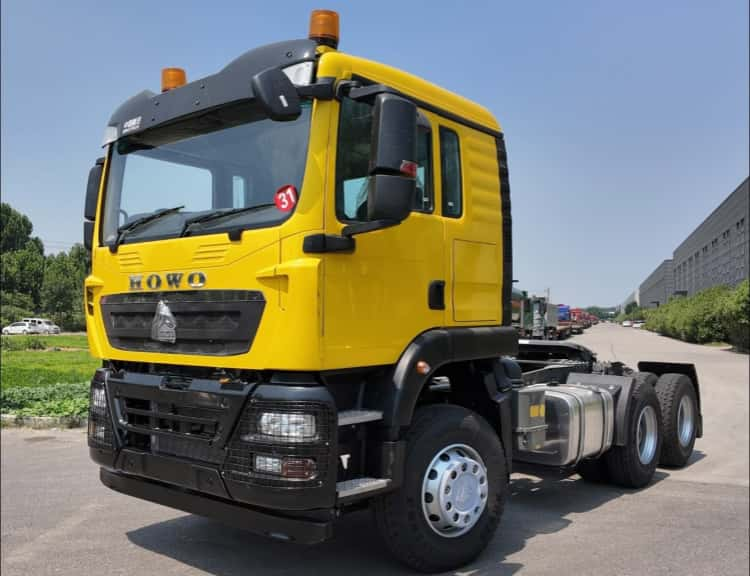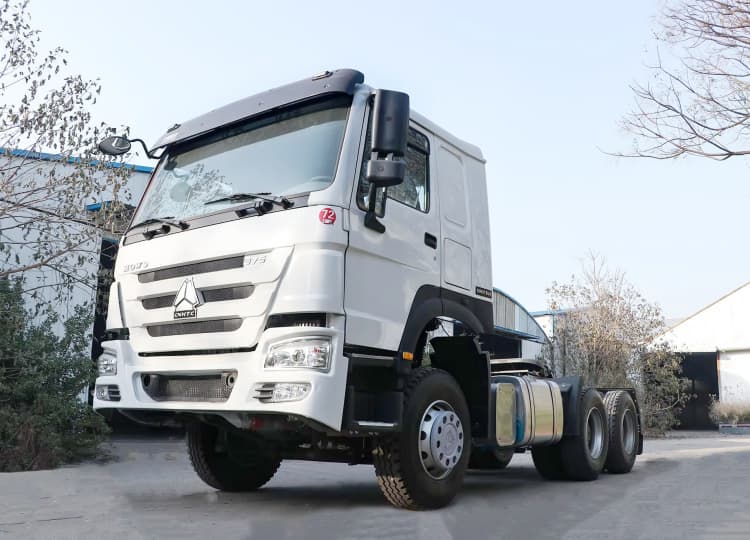
Why Heavy Trucks Are the Perfect Fit for Standardised Remanufacturing?
Intro
Not every vehicle or industrial asset lends itself well to formal, standardised remanufacturing. Light passenger cars often have short design lifespans, fast-changing electronics and thin, disposable component designs. Heavy-duty trucks stand apart.
Built for repeated heavy loads, long service lives and field repairability, they carry inherent engineering traits that make them ideal candidates for the lifecycle reset model defined by REMAN ROAD. This article breaks down the core industrial characteristics that enable consistent, repeatable, certified reman for heavy truck fleets.
Designed with substantial safety margin and over-engineering
Heavy trucks are engineered to survive unpredictable operating stress: overload shocks, rough terrain, temperature swings and continuous cyclic loading. OEMs build critical load‑bearing parts such as frame rails, axle housings, crankshafts and suspension components with generous fatigue safety margins.
This built‑in design reserve means many cores retain recoverable structural capacity after years of work. With proper NDT screening, worn but undamaged components can be restored back to original performance thresholds. By contrast, many light vehicles are optimised for minimal weight and cost, with little leftover margin to support a second full lifecycle. That inherent over‑design is the foundational prerequisite for standardised remanufacturing.
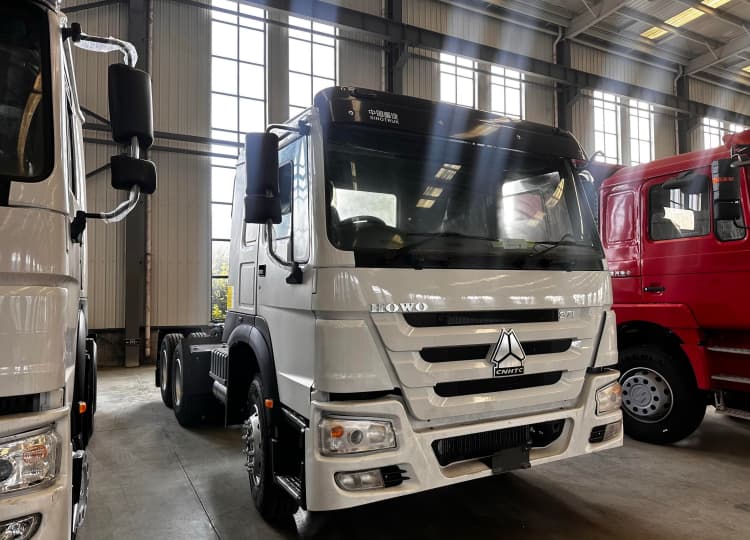
Modular system architecture separates functions clearly
Modern heavy trucks follow a modular design logic. Engine, transmission, drive axles, brake assemblies, cooling packs and hydraulic systems are largely independent subassemblies. They can be disassembled, graded, restored and bench‑tested separately before final vehicle integration.
This modularity fits the REMAN ROAD gated reman workflows perfectly. Teams can validate one subsystem without rebuilding the whole truck at once. It also creates consistent grading rules and repeatable test protocols across identical vehicle platforms. Standardisation becomes practical when components are interchangeable and functionally isolated, rather than tightly fused into a single non‑separable unit.
Long service cycles and stable platform lifecycles
Heavy truck platforms stay in production for many years, often a decade or longer. The core mechanical geometry, fastener specs and material standards remain consistent across model years. Unlike consumer vehicles that undergo radical redesigns annually, a mature heavy‑truck platform maintains shared component standards.
Stable platforms create a reliable base for standardised inspection limits, repair procedures and acceptance thresholds. Reman facilities can refine fixed grading criteria, build dedicated bench test rigs and train technicians on repeatable rules. When platform turnover is slow, the investment in reman standards delivers returns over thousands of cores.
High asset value makes reman economically meaningful
New heavy trucks represent a large capital outlay for fleets. Frame, axle and powertrain cores carry significant embedded material and manufacturing value. Discarding a still‑sound core only because some wear parts have failed wastes this locked‑in value.
Standardised remanufacturing extracts that residual asset value at a fraction of the cost of new equipment. The business case is clear: fleets gain a near‑new performance baseline without the full purchase price of a factory‑fresh truck. This strong financial incentive pushes buyers and suppliers alike to adopt formal standards, rather than informal patch‑and‑paint rebuilds.
Clear failure modes that NDT and bench testing can quantify
Most critical heavy‑truck failures stem from predictable mechanisms: fatigue cracking, surface wear, corrosion wall thinning and thermal degradation. These flaws are well understood and measurable using established inspection technology.
Ultrasonic, magnetic particle and radiographic NDT methods are mature, field‑proven tools for these failure types. Dynamometers, hydraulic test benches and brake calibration rigs can verify functional performance against fixed thresholds. The failure physics are consistent and testable, which is essential for a standardised system. Assets with unpredictable, invisible electronic‑dominated failures are far harder to grade objectively.
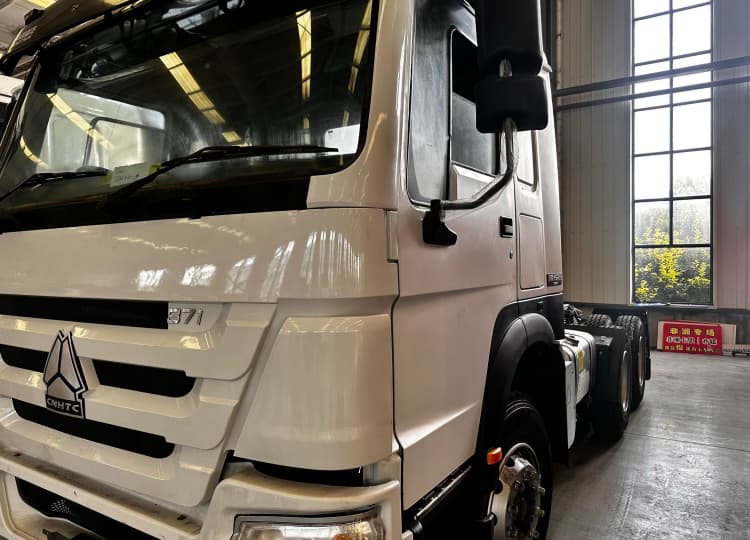
Fleets operate with structured maintenance and asset tracking
Fleet operators already track VINs, service records, duty cycles and downtime costs. They think in terms of total cost of ownership, asset depreciation and scheduled replacement cycles. This operational mindset aligns naturally with reman’s traceability requirements.
The REMAN ROAD dossier system, warranty framework and residual‑value tracking fit neatly into existing fleet asset management workflows. Procurement teams can compare standardised reman trucks using consistent metrics, rather than judging one‑off rebuilt trucks on subjective visual checks. This creates market demand for standardised quality, rather than ad‑hoc repairs.
Global cross‑border demand for durable commercial assets
Heavy trucks move goods across regions, including emerging markets where reliable transport capacity is in high demand. These markets often prioritise durable, cost‑effective assets with verifiable quality, rather than expensive brand‑new vehicles.
But cross‑border trade creates classification risk and trust gaps. A globally consistent standardised remanufacturing standard solves this problem. When reman builds follow shared component grading, testing and documentation rules, buyers in different regions can interpret quality the same way. Heavy trucks’ high mobility and cross‑border circulation turn standardised remanufacturing from a workshop practice into a global circular asset model.
Distinction between wear parts and permanent structural cores
A key design feature of heavy trucks is the intentional split between sacrificial consumables and long‑life structural cores. Seals, bearings, brake linings and hoses are meant to be replaced periodically. Frame rails, axle housings and cylinder blocks are intended for multi‑cycle service, provided they stay within fatigue limits.
This separation is exactly what standardised remanufacturing relies on. The standard automatically replaces all time‑limited wear items, while evaluating and restoring the permanent core structure. This clean division makes grading rules simple and consistent, avoiding the ambiguity that plagues assets where nearly every part has a short design life.
Closing
Heavy trucks are uniquely suited to standardised remanufacturing because they combine over‑engineered load‑bearing structures, modular design, long‑lived stable platforms, measurable failure modes and high capital value. Their design is built to survive cyclic heavy duty, and their fleet operating model supports traceability, testing and formal certification.
REMAN ROAD turns these natural industrial advantages into a repeatable global quality framework. For fleets, this means standardised remanufacturing is not just a cost‑saving workaround — it is a purpose‑fit lifecycle strategy built into the fundamental DNA of heavy commercial vehicles.