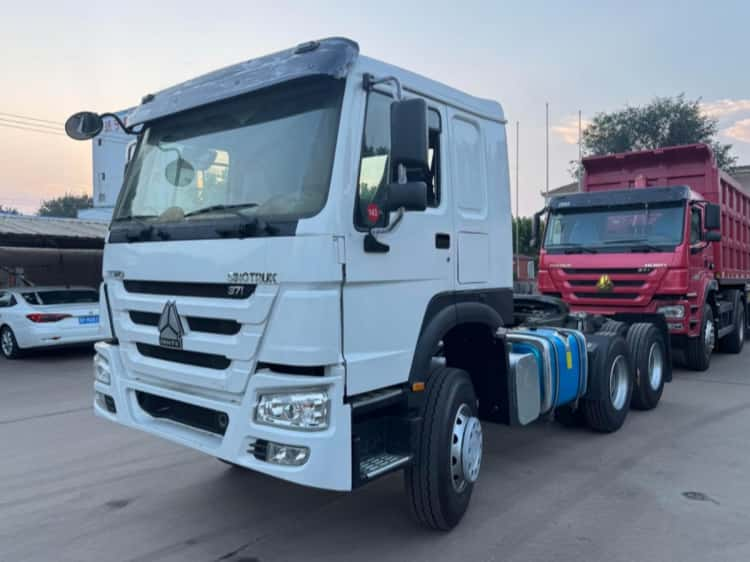
What New Fleet Buyers Should Learn About Reman Heavy Trucks First?
Introduce
If your fleet is evaluating reman heavy trucks for the first time, it is easy to start with pricing, photos and surface condition. Many new buyers also carry a default assumption: “remanufactured” means refurbished, overhauled or simply a used truck with fresh paint. This starting point creates costly mistakes. Before comparing quotes, reviewing specs or negotiating delivery terms, there are foundational lessons every new fleet buyer needs to master. These lessons set the baseline for all future supplier conversations and procurement decisions.
Lesson 1: The word “remanufactured” is not automatically protected or verified
This is the most critical first lesson. In most heavy-duty markets, the label “remanufactured” has no universal legal enforcement. Vendors can apply it to partial engine overhauls, cosmetic refurbishment, or patchwork builds assembled from harvested spare parts.
A seller’s self-declaration is not certification. Genuine reman heavy trucks for sale is defined by process gates, not marketing labels. As a new buyer, train yourself to ignore the title first. Instead, ask what work was completed, what tests were run, and what standards the supplier followed. Until you confirm the workflow, the word “reman” carries no reliable meaning.
Lesson 2: Genuine reman is a whole-system reset, not an engine upgrade
New buyers frequently fall into the biggest trap: confusing an overhauled engine for a full reman truck. A new or rebuilt engine is only one subsystem.
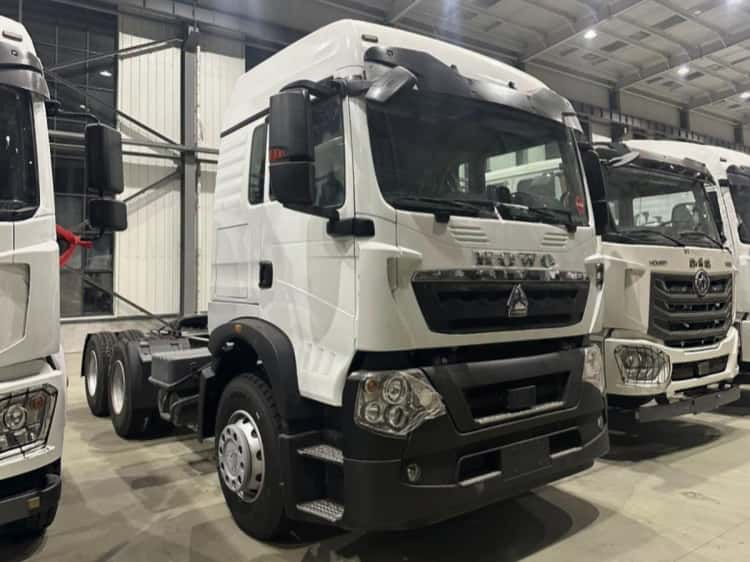
Genuine reman heavy trucks evaluation starts with the entire chassis. The frame, weld zones, axles, suspension brackets, braking, cooling, hydraulics and electronic controls all go through inspection and fatigue screening. Even if a brand-new engine is fitted, the truck cannot be certified reman if the frame has hidden fatigue damage or undocumented structural modifications.
When reviewing a proposal, ask whether the scope covers full-chassis qualification, or only powertrain work. This single question quickly separates genuine reman from component-only rebuilds.
Lesson 3: Fatigue screening is the non-negotiable front gate
Many new buyers focus only on visible defects: leaks, rust, cracked hoses and worn tyres. These are easy to spot, but they are not the greatest risk. The largest hidden hazard is accumulated material fatigue that cannot be seen by eye.
NDT testing, dimensional checks and service history review are designed to quantify residual structural margin. If the core fails this gate, it is rejected before any reman work begins. No amount of new parts or painting can fix irreversible fatigue damage.
New buyers should learn to treat NDT fatigue reports as primary proof documents, not optional extras. A supplier who cannot share these results is selling an unqualified core, no matter how clean the truck looks.
Lesson 4: There is a clear difference between repair, overhaul and reman
Take time to lock these definitions in before you start tendering.
- Repair fixes a single active fault and stops once the symptom disappears. It is reactive.
- Overhaul deep-services one subsystem such as an engine or axle, but leaves the rest of the vehicle unexamined.
- Genuine reman is a planned, full-system lifecycle reset. It evaluates, sorts, renews, calibrates and validates the entire truck as one integrated asset.
Many suppliers will mix these categories in sales pitches. Understanding the difference helps you compare like-for-like scopes and avoid paying reman pricing for overhaul-level work.
Lesson 5: Warranty wording reveals the real risk allocation
New buyers often glance at the warranty duration and stop there. The fine print matters far more.
A narrow warranty only covers the replaced parts. A genuine reman warranty covers the whole validated system. Ask specifically whether structural assemblies are included, what failure modes are excluded, and what maintenance actions will void coverage.
Also clarify downtime and consequential loss terms. Some warranties only cover component repair cost, with no support for operational disruption. This distinction changes the true TCO impact of the asset.
Lesson 6: Traceability means a VIN-linked audit trail, not just a certificate
A single certificate is not traceability. A certificate is a summary outcome. Traceability is the full trail of decisions that led to that outcome.
For certified reman heavy trucks for sale, the traceability package should tie all inspection logs, NDT readings, part serial numbers, machining records, calibration snapshots and end-of-line test data to the vehicle VIN. This trail must be auditable.
New buyers should avoid accepting a standalone certificate as full proof. Without supporting records, you cannot verify whether every process gate was completed. This also hurts future resale or refinancing, as financiers and second buyers will want to review the full history.
Lesson 7: Reman has a defined operating envelope; it is not “equal to new”
This is a common expectation gap for first-time buyers. Certified reman heavy trucks are safe and reliable for their approved duty cycle, but they do not carry the same full design reserve as a factory-new truck.
The base chassis already has accumulated service cycles. Its residual fatigue margin is verified, but reduced. Reputable suppliers will document the approved duty profile: payload limits, terrain type, cyclic load expectations and operating hours.
Running reman heavy trucks outside its approved envelope will rapidly consume its remaining safety margin. Before deployment, confirm the duty classification matches your fleet’s work.
Lesson 8: Price comparison only works when the scope is identical
New buyers naturally compare upfront price first. But reman quotes vary wildly because scope varies wildly.
One low quote may only cover engine overhaul with no frame inspection. A higher quote may include full core qualification, NDT, mandatory part renewal, system calibration and loaded end-of-line testing. Comparing these two on sticker price alone is misleading.
Build a standard scope checklist and send it to every supplier. Require vendors to confirm each gate, or note what is excluded. This is the only way to run a fair price comparison.
Lesson 9: Red flags are easy to spot once you know what to ask
Learn these warning signs early.
- The supplier refuses to share NDT fatigue reports or full VIN-linked test records.
- The scope is limited to powertrain, while frame and structural inspection are excluded.
- The truck is marketed as reman, but there is no published standard and no independent audit trail.
- Calibration is modified to boost power, outside OEM design margins.
- Warranty is only verbal, with no written contract terms.
These signals do not mean the truck will fail immediately. They mean you are buying unknown risk, which is the opposite of why certified reman heavy trucks is valuable.
Closing thought
For first-time reman fleet buyers, the priority is not to learn how to spot a clean truck. It is to learn how to separate genuine system-level lifecycle reset from lower-grade repair and overhaul work.
Master the core ideas: labels are not proof, fatigue screening is mandatory, scope defines value, traceability is an audit trail, and genuine reman comes with a clear duty envelope. With these fundamentals in place, you can ask the right questions, evaluate suppliers fairly, and build a reman procurement plan that supports stable TCO and uptime.