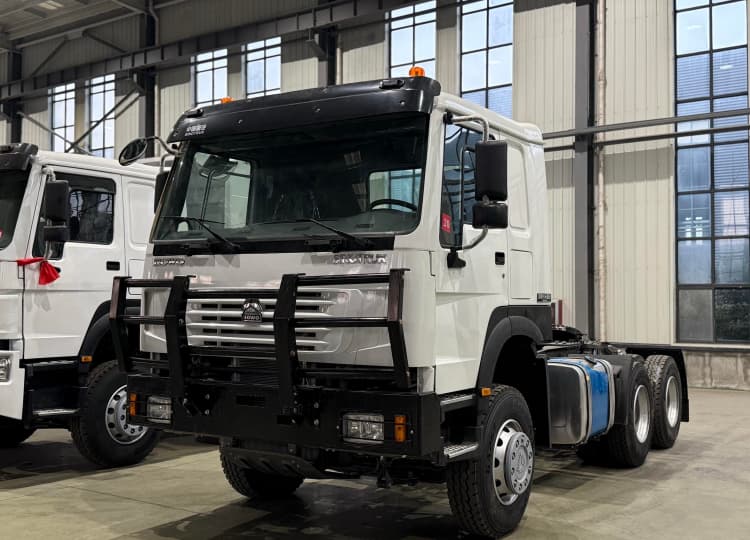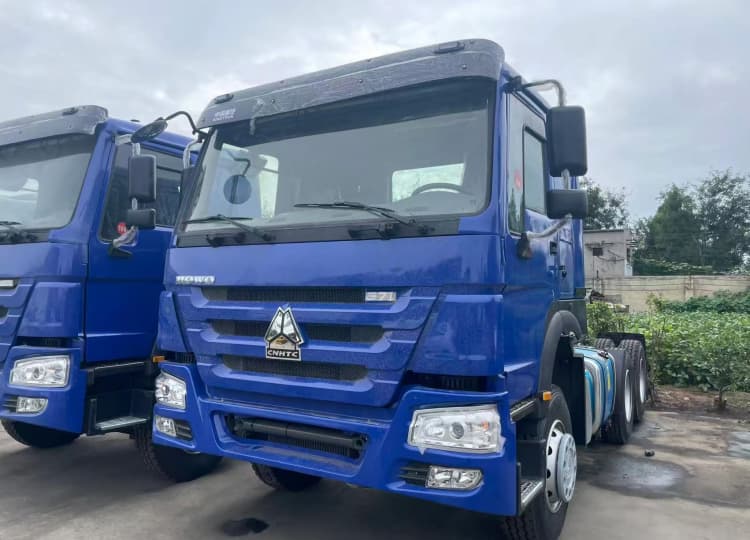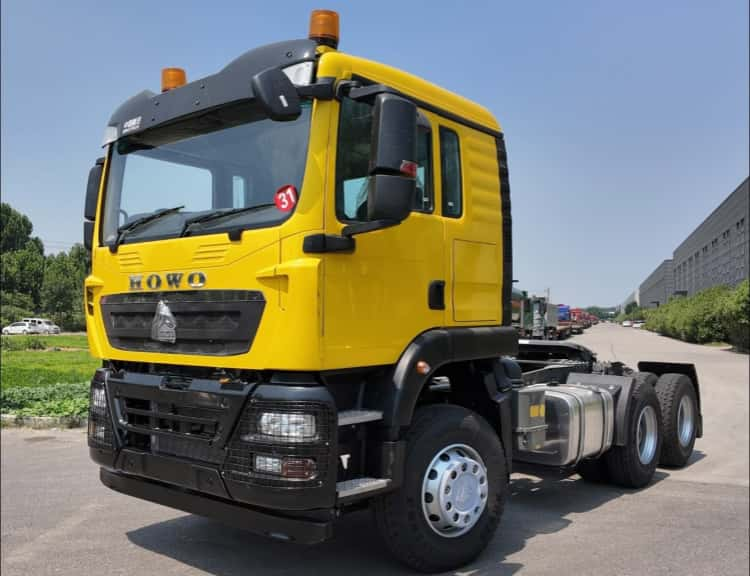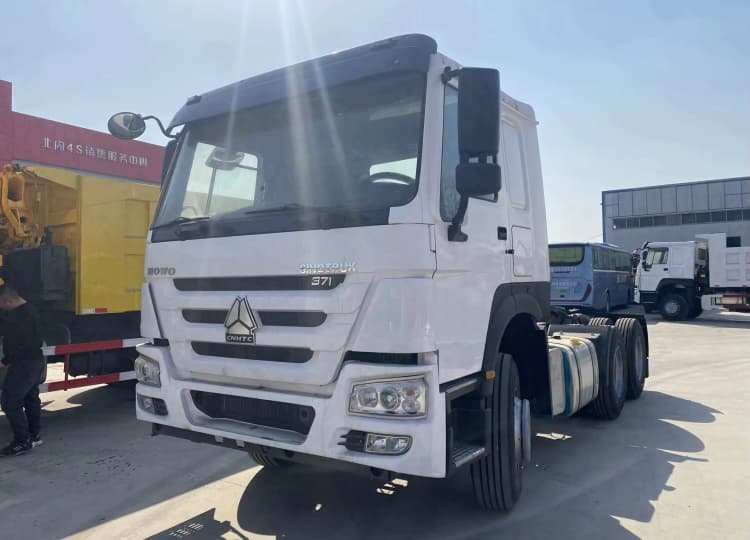
The Promise and Limits of Heavy Truck Remanufacturing
Introduce
Certified heavy truck remanufacturing has become a powerful tool for heavy fleets, but it is not an all-purpose solution for every asset challenge. It comes with meaningful, tangible promises that directly improve fleet TCO and sustainability. It also has non-negotiable engineering and commercial limits that procurement teams must recognise. Confusing its promise with unlimited capability creates misaligned expectations, poor asset allocation and costly disappointment. This article separates what certified heavy truck reman can reliably deliver, and what it cannot do.
The core promises of standard heavy truck reman
It delivers a defined, predictable second lifecycle
The central promise is a controlled lifecycle reset. Eligible cores that pass fatigue screening go through full system disassembly, inspection, mandatory renewal, calibration and loaded validation. The finished reman truck is not just functional; it has a known residual safety margin, a documented operating envelope and a consistent failure curve comparable to new assets within its approved duty cycle.
Fleets gain the ability to forecast maintenance schedules, uptime and depreciation. This predictability is its biggest advantage over uninspected used trucks and patchwork partial rebuilds.
It reduces CAPEX pressure while preserving system integrity
Certified heavy truck remanufacturing sits between new trucks and used inventory. It cuts the large upfront capital outlay required for new vehicle procurement, without accepting the unknown structural risks that come with buying unvetted used stock.
For mixed fleet portfolios, it creates a flexible middle tier. Operators can allocate capital to the highest priority new purchases for the harshest duty cycles, while using certified reman truck to expand or refresh the rest of the fleet. It also stabilises cash flow and opens more predictable financing terms, supported by formal certification and traceability records.
It protects safety and retains OEM design margins
When executed to the REMAN ROAD standard, certified heavy truck remanufacturing preserves the original OEM safety buffers. It rejects undocumented power tweaks, over-machining and mismatched low-grade aftermarket parts that quietly erode structural, thermal and dynamic margins.
NDT fatigue screening filters out cores with excessive accumulated cyclic damage before any rebuild work begins. The end result is a vehicle that can withstand the load spikes, vibration and temperature fluctuations its original design was built to absorb.
It unlocks measurable circular and ESG value
Certified heavy truck remanufacturing captures embedded carbon value locked into the chassis and qualified subsystems. Instead of scrapping a serviceable core after its first life, the base asset is reset for another full service period. This spreads the carbon cost of raw steel, castings and component manufacturing across multiple operational cycles.
Unlike superficial green claims, this sustainability benefit is tied to engineering discipline. The longer, more reliable second life means less frequent scrapping and less material waste. Harvested components from rejected cores also feed back into the fleet’s spare parts supply chain.
It stabilises residual value and asset turnover
VIN-linked traceability creates a permanent performance record for the reman truck. When the second lifecycle ends, the full history of inspections, part renewals and testing is available for re-evaluation.
This makes valuation more transparent. Future buyers or internal asset teams do not need to apply steep risk discounts due to unknown history. It supports a repeatable circular asset loop, rather than one-time distress sales or premature scrapping.
The hard limits of heavy truck remanufacturing
It cannot reverse irreversible fatigue damage
This is the most fundamental limit. Heavy truck remanufacturing can reset reversible wear: surface scuffing, seal degradation, calibration drift, dimensional clearance loss and minor corrosion. It cannot erase accumulated fatigue within the base material.
Once a frame, axle housing or critical bracket crosses its fatigue threshold, no amount of machining, painting or component replacement can restore its original structural reserve. Even if the truck can still run, it is no longer eligible for certified heavy truck remanufacturing. It must be diverted to component harvesting or recycling. Reman cannot “save” every old truck.
It cannot match the full design reserve of a brand-new truck
A new truck enters service with the maximum available safety margin. A certified reman truck starts its second life with a verified but reduced residual margin. It is safe for its approved duty cycle, but it is not built to survive the same extreme, repeated peak loading as a factory-new chassis.
This is why duty-cycle classification matters. A reman truck validated for medium-heavy haulage may not be suitable for continuous high-stress mining work. Pushing it beyond its approved operating envelope will consume its remaining margin quickly and trigger premature failure.
It is not cheaper than repair for short-term, isolated faults
Heavy truck remanufacturing is a full system transformation, not a quick fix. It requires full teardown, fatigue testing, mandatory part replacement and system validation. These steps add scope and cost.
For a truck with an isolated leak, faulty sensor or broken pump, a targeted repair is faster and lower cost. Reman truck only delivers positive financial returns when the asset is intended for a complete second lifecycle. Using heavy truck reman as a replacement for routine maintenance is economically inefficient.
It cannot eliminate all future wear and failure
Lifecycle reset does not stop wear from happening. Seals, bearings, filters and wearing components will still degrade over time. Heavy truck remanufacturing reduces random, catastrophic failures caused by hidden accumulated degradation, but it does not make the truck immune to normal wear.
Fleets still need to follow the prescribed maintenance schedule. Skipping routine service will accelerate component degradation and void warranty coverage. Heavy truck remanufacturing reduces risk; it does not remove the need for maintenance discipline.
Its value depends entirely on consistent standard enforcement
The term “remanufactured” is unregulated in many markets. A unit marketed as reman truck without core fatigue screening, full disassembly, system calibration and traceability is just a rebuild. It carries all the risks of a partial repair, even if it is labelled reman.
The promise only holds when every gate in the workflow is enforced. If a supplier skips NDT testing or uses non-qualified parts to cut costs, the claimed benefits vanish. Heavy truck reman’s advantages are not inherent to the concept itself; they come from strict, auditable standards.
How to balance promise and limits in fleet planning?
The best strategy is to treat reman as one tier within a broader asset portfolio.
- Deploy new trucks for continuous, high-shock, zero-downtime critical duty cycles.
- Use certified reman truck for mainstream long-haul, logistics and medium-heavy applications matching its residual margin.
- Keep targeted repair for isolated faults and short-term emergency fixes.
- Route cores that fail fatigue screening into component harvesting and responsible recycling.
Fleet planners should define the expected duty envelope and fatigue limits before purchase, rather than assuming a reman truck can perform identically to a new one.
Closing thought
Heavy truck remanufacturing delivers a powerful promise: a safe, auditable, cost-controlled second life for assets that still retain sufficient structural margin. It eases CAPEX pressure, stabilises TCO and supports credible circularity.
But it has clear boundaries. It cannot reverse fatigue, cannot replicate the full safety reserve of a new truck, and is not a low-cost substitute for simple repair. When fleets understand both its promise and its limits, they can deploy reman intentionally and build a balanced, resilient asset strategy.