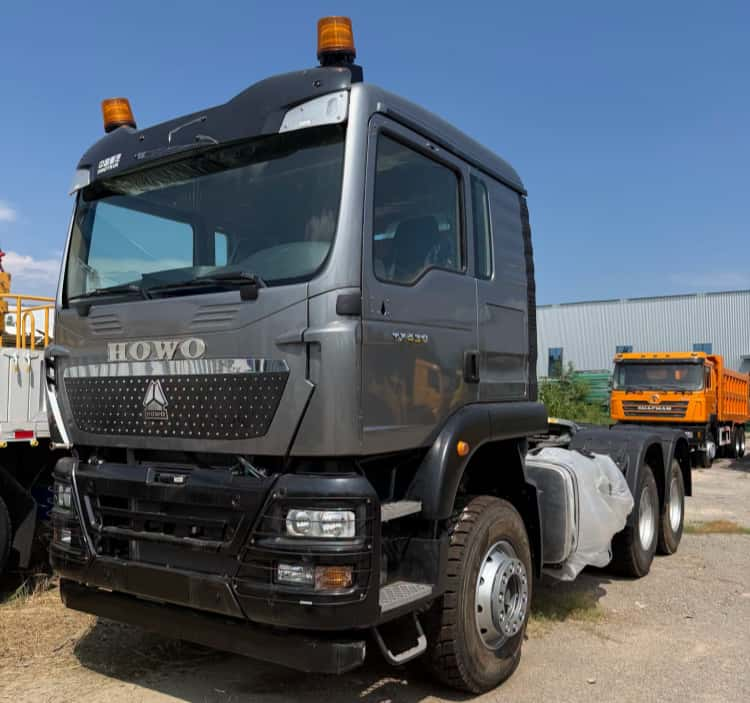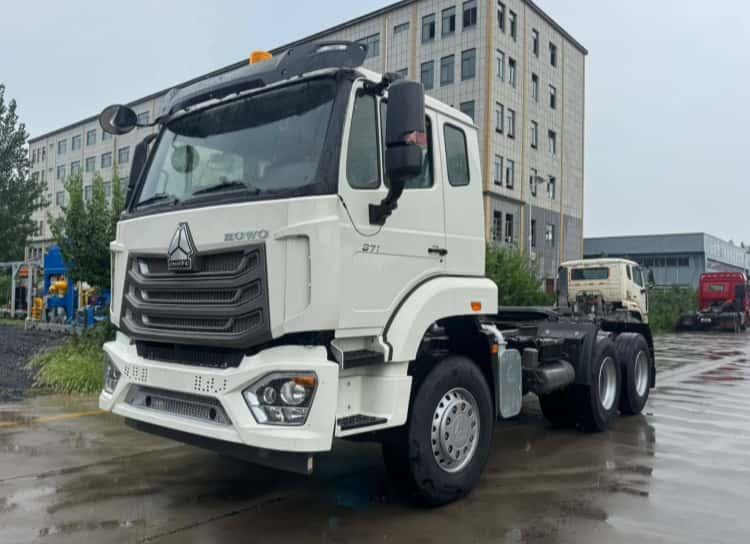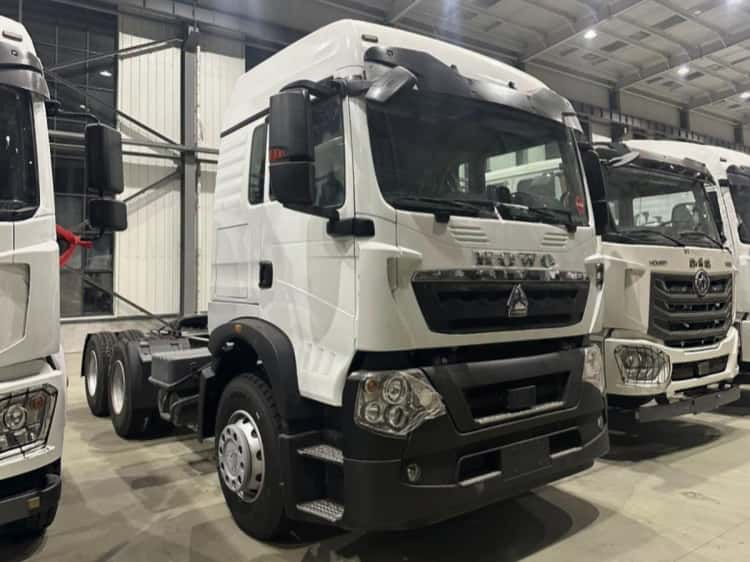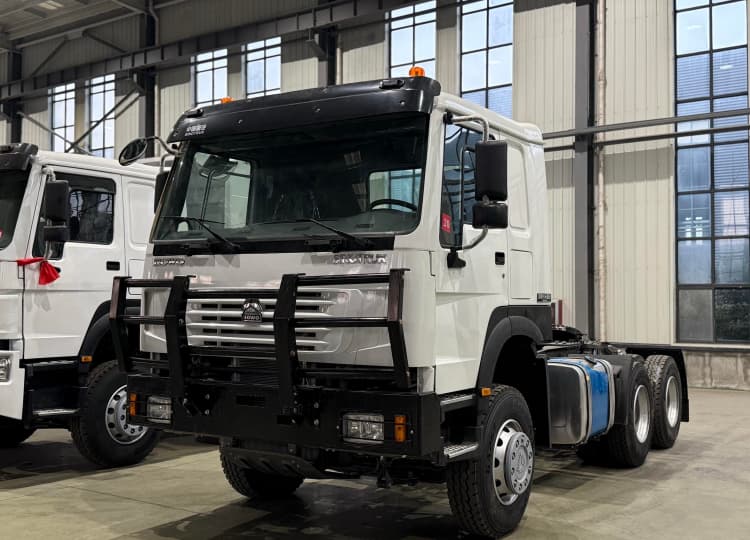
The Difference Between Industrial Remanufacturing and Repair
Intro
For many fleet buyers, repair and remanufacturing look similar at first glance: both fix a heavy truck that is not working properly. This surface similarity leads to costly confusion. Suppliers may market a simple repair job as remanufacturing to command a higher price, while fleets mistakenly expect the long-term reliability of certified reman from a one-time fault fix.
Under the REMAN ROAD framework, these two activities follow entirely different goals, rules and quality boundaries. Repair addresses a specific breakdown. Industrial remanufacturing systematically restores the whole vehicle back to a validated engineering baseline. Understanding this distinction is the first guardrail against misaligned expectations and hidden downtime risk.
Core objective: Targeted fix vs full lifecycle reset
The fundamental divide starts with purpose.
- Repair: Its only mission is to resolve a known, isolated fault. If a crankshaft fails or a brake line leaks, a repair replaces or fixes that single failed part so the truck can return to service. The rest of the vehicle continues aging along its original wear curve. All remaining hidden fatigue, corrosion and wear in other components stay untouched.
- Industrial remanufacturing: The goal is lifecycle reset. It does not respond to one failure. It treats the entire truck as an asset, evaluates every critical load-bearing component, removes parts that have reached their engineering limits, and rebuilds the unit to a consistent, predefined performance standard. After reman, the truck enters a new predictable service cycle, not just resumes its old one.
A repair returns a broken truck back to its previous worn condition. Industrial remanufacturing delivers a known, reset condition.
Scope: Partial work vs mandatory full teardown
- Repair work is naturally selective. Technicians only disassemble enough to reach the faulty component. Surrounding parts stay assembled, unseen and uninspected. Hidden subsurface cracks, wall thinning or fatigue damage in the frame, axles or suspension remain undiscovered.
- Industrial remanufacturing workflow requires complete disassembly of all critical systems. The entire vehicle is stripped down to individual components. Every load-bearing part is cleaned, measured and inspected. No major structural or powertrain component escapes evaluation. This full teardown rule is non-negotiable for REMAN ROAD certification, and it is the most obvious process difference from repair.
Inspection logic: Visual and functional check vs NDT + component grading
- Most repairs rely on visual inspection plus basic functional testing. If the replaced part works and there are no obvious leaks or strange noises, the job is signed off. Subsurface damage cannot be detected this way, yet it is the leading cause of sudden structural failure.
- Industrial remanufacturing uses a formal, measurement-driven inspection system. After cleaning, all critical parts go through dimensional verification and mandatory non-destructive testing including ultrasonic, magnetic particle or radiographic inspection. Each part receives an official grade: reusable, repairable or mandatory scrap. Grading decisions follow fixed thresholds, not a technician’s judgement. Defective parts cannot stay in the build simply because they have not failed yet.
Part strategy: Fix what broke vs replace all time-limited wear items
- In standard repair practice, only the failed component gets attention. Wear parts such as seals, gaskets, high-strength fasteners, bearings and brake linings are often reused if they look intact. Their remaining service life is unknown.
- In a Industrial remanufacturing workflow, consumable wear components are replaced by default, regardless of appearance. These items have finite design lifespans. Leaving old wear parts in place would compromise the reset lifecycle. Even reusable structural cores are only kept when they prove sufficient residual fatigue margin through testing.
Validation: Post-repair road test vs independent bench testing
- A typical repair’s final check is a short road test to confirm the fault is gone. This can confirm basic function, but it cannot safely expose hidden weaknesses under sustained, heavy cyclic load.
- For Industrial remanufacturing, major subassemblies are validated separately on bench equipment before vehicle assembly. Engines run on dynamometers, hydraulic systems complete pressure hold cycles, and brake assemblies pass calibrated performance tests. Bench testing simulates real operational loads in a controlled environment, catching defects that a quick road test will miss. Final road testing for industrial remanufacturing workflow is only a system integration confirmation, not the primary quality gate.
Documentation and traceability: Simple service ticket vs full reman dossier
- A repair usually generates a short work order: the fault description, parts replaced and labour cost. It records what was fixed, but it contains no evidence about the condition of the rest of the vehicle. There is no component grading log or NDT record.
- Industrial remanufacturing build produces a VIN-linked audit dossier. It includes core intake assessment records, teardown logs, NDT reports, grading sheets, bench test results and final acceptance sign-off. This trail supports warranty enforcement, insurance review, ESG reporting and future resale. Without this full documentation, the work cannot qualify as standardised reman.
Warranty profile: Fault-limited coverage vs whole-asset lifecycle coverage
- Repair warranties are narrow. They almost always cover only the specific part that was replaced, for a short window. If another unrelated component fails weeks later, that failure is not covered.
- A REMAN ROAD reman warranty applies to the reset asset as a whole, aligned with its new service cycle. It is backed by the complete inspection and test record. This broader coverage reflects the fact that every critical component was evaluated and validated during the build.
Where they can overlap, and where the risk lies?
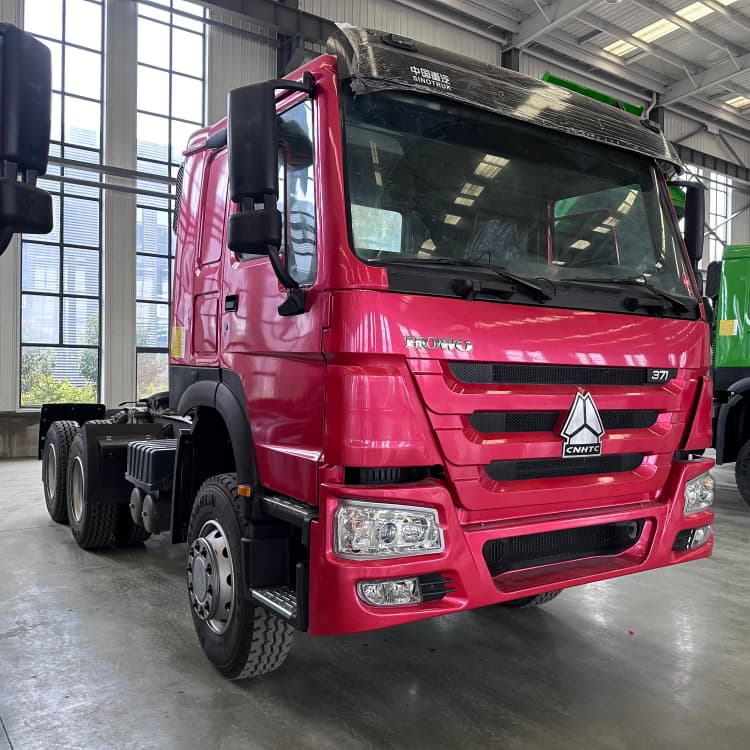
It is important to note that remanufacturing uses repair techniques for repairable components. Machining, straightening and qualified welding are all repair processes. The difference is context: in reman, repairs are only permitted after formal grading, and they must pass re-inspection and NDT before reassembly. The market trap happens when vendors take a repair, add a coat of paint, and label it industrial remanufacturing. It may run well today, but it carries all the original hidden wear and fatigue of the untreated components.
Closing
Repair is reactive, narrow and fault-focused. Industrial remanufacturing is proactive, comprehensive and lifecycle-focused. Repair fixes what is broken so the truck can continue its old journey. Certified industrial remanufacturing fully disassembles, inspects, grades and validates the asset to create a fresh, predictable operating baseline.
For fleet buyers, this distinction changes everything about risk planning, budgeting and warranty expectations. When a supplier calls work “remanufacturing”, your first check should always be to confirm whether they followed full teardown, mandatory NDT and component grading — not just whether they fixed a broken part.