Why Low-Price Refurbished Units Often Disappoint Fleets?
Intro
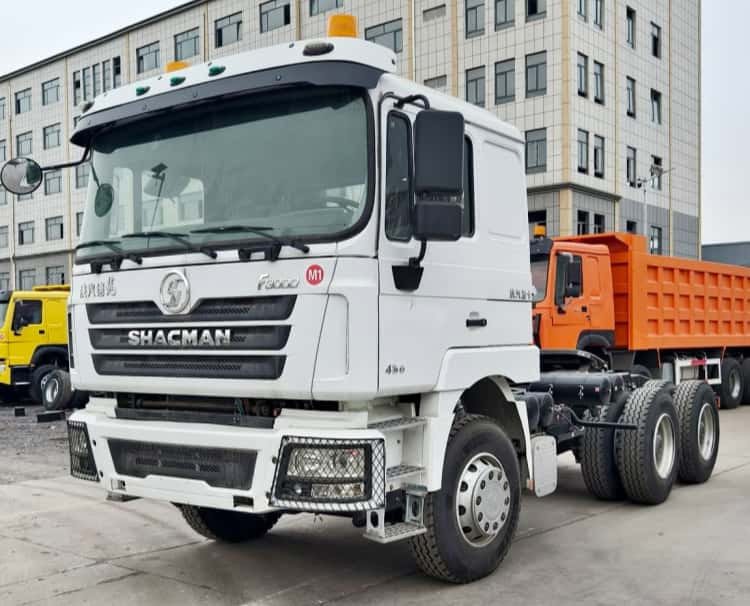
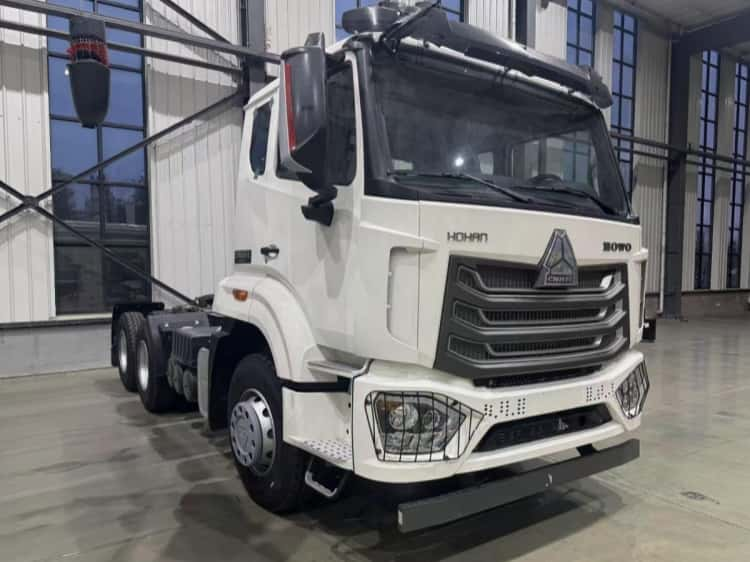
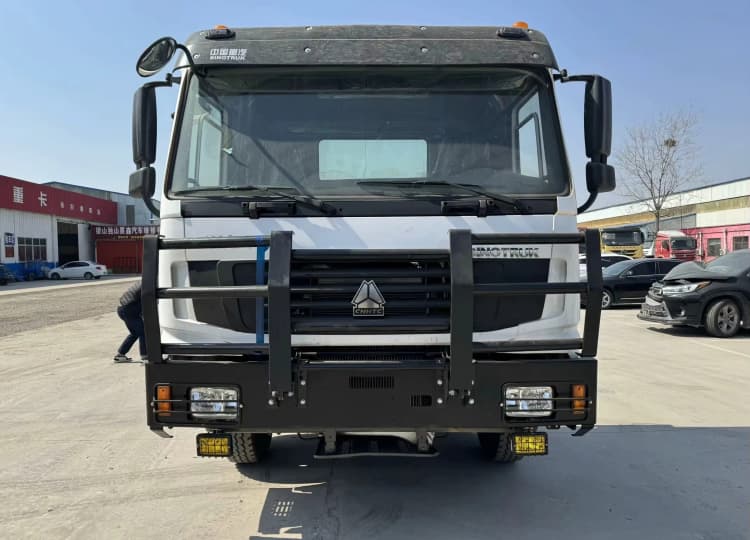
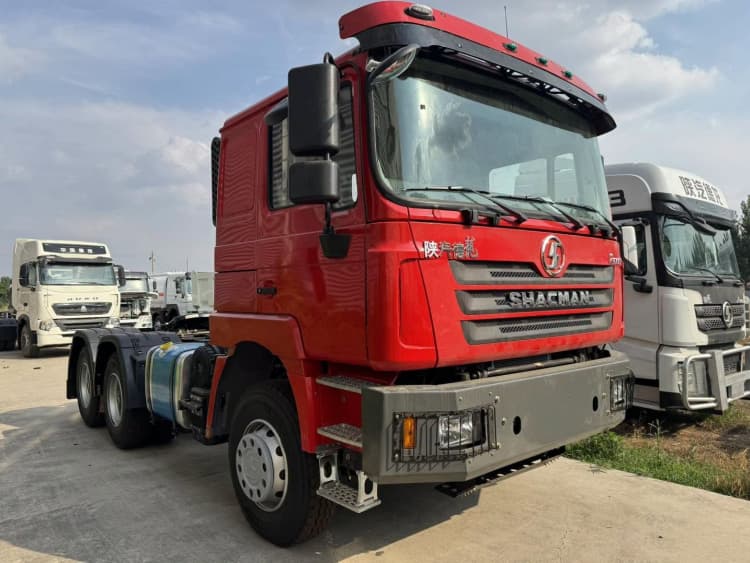
Fleet operators often turn to low-price refurbished units when capital budgets are tight or project timelines demand rapid capacity expansion. On paper, these trucks appear to deliver immediate cost savings, matching the outward look of properly overhauled equipment after cosmetic cleaning, repainting and superficial part swaps.
But disappointment sets in quickly once they enter heavy-duty site and haul cycles. The root cause is not that refurbishment itself is flawed; it is that ultra-low pricing forces trade-offs in the highest-risk, least visible work. REMAN ROAD qualified reman trucks follows a structured testing and core validation workflow, while budget refurb operations cut exactly these critical steps, creating a gap between buyer expectations and real-world performance.
Price pressure forces skipping non-visible, safety-critical inspections
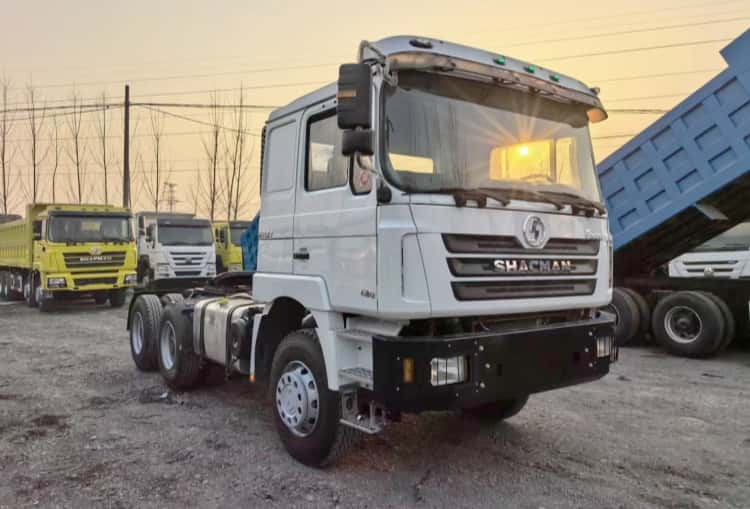
Most of the cost in systematic remanufacturing sits in work the buyer cannot see: NDT ultrasonic and penetrant testing of frame rails, crankshafts and axle housings, brake dynamometer calibration, dimensional checking and load bench testing. These tests add labour, equipment and cycle time. Low-price refurb shops omit or shortcut these steps to hit the target selling price.
They rely only on visual checks and quick test runs. Cosmetics are prioritised, while subsurface fatigue cracks, hidden material degradation and subtle distortion remain undetected. The truck looks ready for work at handover but fails under cyclic heavy loading.
Repairs are patchwork, not lifecycle reset
Budget refurbished units is usually reactive patch-up, not systematic remanufacturing. Faulty parts get replaced only if they are already leaking, noisy or visibly broken. Time-limited wear components, ageing seals, slack adjusters and fatigued fasteners that have not yet failed stay in place.
The refurbisher addresses obvious symptoms rather than resetting the asset’s service clock. This creates a cascading failure pattern: one minor component failure places extra stress on adjacent assemblies, triggering a string of breakdowns weeks or months after purchase. Fleets repeatedly return the same truck for follow-up fixes.
Mixed, low-grade aftermarket parts and reused compromised components
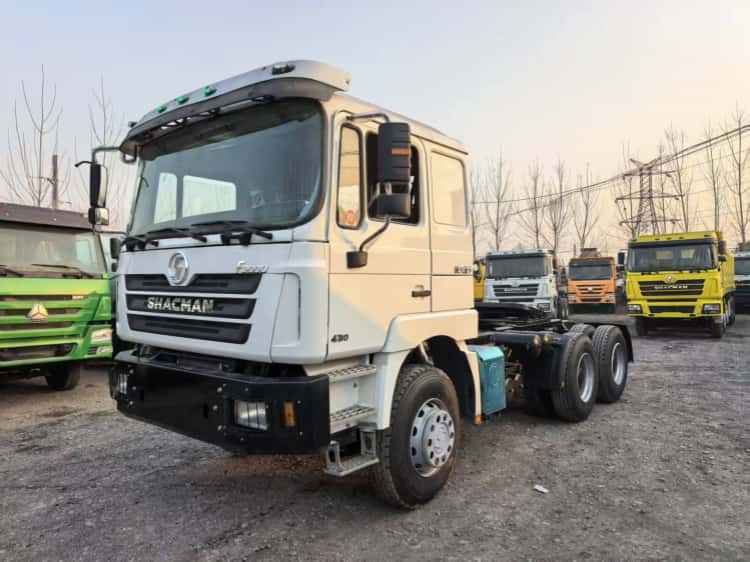
To keep costs down, low-budget refurbished units stock frequently uses mismatched, low-tolerance aftermarket parts, second-hand scavenged components or reconditioned parts of unknown origin. There is no standardised component grading, batch traceability or compatibility review.
Two identical-looking refurbished trucks may have completely different internal build quality. Parts do not match original design specifications, leading to accelerated wear, poor brake balance, oil leaks and power inconsistency. Spare part compatibility also becomes messy for the fleet’s workshop, complicating future maintenance.
No formal warranty or enforceable accountability
Nearly all low-price refurbished units come with minimal, vague warranty terms — often limited to just a few days or covering only labour, not expensive core assemblies. Many sellers disclaim all responsibility once the truck leaves the yard.
When a major failure occurs, the fleet bears the full repair cost and downtime loss. There is no structured claim process, no root-cause diagnostic framework and no obligation for the seller to correct workmanship defects. This lack of recourse turns every breakdown into an unexpected financial hit, with no way to recover losses.
Inconsistent workmanship from rushed batch processing
Low-price refurb workshops operate on high-volume, fast-turnaround business models. Technicians rush units through the line to maintain margins. Torque settings, bleed procedures, alignment tolerances and assembly sequences are not consistently enforced.
Quality control is ad‑hoc rather than audited. Variability is inevitable: one unit might be assembled carefully, while the next one skips critical adjustment steps. For fleets buying multiple units in a single batch, this inconsistency makes scheduling, maintenance forecasting and KPI tracking nearly impossible.
Missing traceability records create compliance and resale headaches
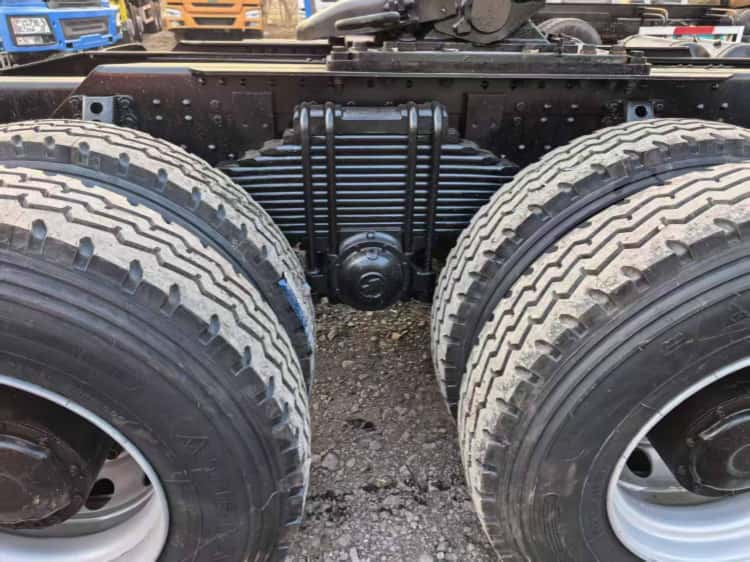
Low-cost refurbished trucks stock is delivered with little to no supporting documentation. There is no log of what was replaced, what tests were run, who performed the work or whether prior undocumented welds and repairs were identified. This creates two layers of disappointment down the line.
First, the fleet cannot submit proof of fitness for tender audits, client site checks or insurer underwriting reviews. Second, at resale time, buyers apply heavy risk discounts, and the asset sells slowly or at scrap-adjacent pricing. The fleet discovers the truck has poor residual value long after the purchase decision.
The expectation gap: buyers confuse “refurbished” with “remanufactured”
A core psychological disappointment comes from terminology confusion. Buyers often assume “refurbished units” means the same thing as certified remanufactured: a reset asset with predictable service life and stable performance. In reality, budget refurbished trucks is surface-level restoration.
When the truck fails to deliver the uptime, reliability and safety the buyer expected, the fleet views the purchase as a bad deal, even though the seller only promised a cheap running truck. REMAN ROAD’s clear grading, test thresholds and documentation eliminate this expectation gap from the start.
Closing
Low-price refurbished units disappoint fleets because their low price is built by removing the invisible safeguards that make heavy assets reliable. They trade long-term uptime, safety and accountability for a clean paint job and a low upfront invoice. Hidden fatigue, patch repairs, unproven parts, absent warranty and zero traceability combine to generate unplanned downtime, volatile maintenance bills and weak residual value.
For haulage and construction fleets, the seemingly low acquisition cost is almost always outweighed by TCO losses, which is why documented, standardised systematic remanufacturing continues to gain favour over budget refurb stock.