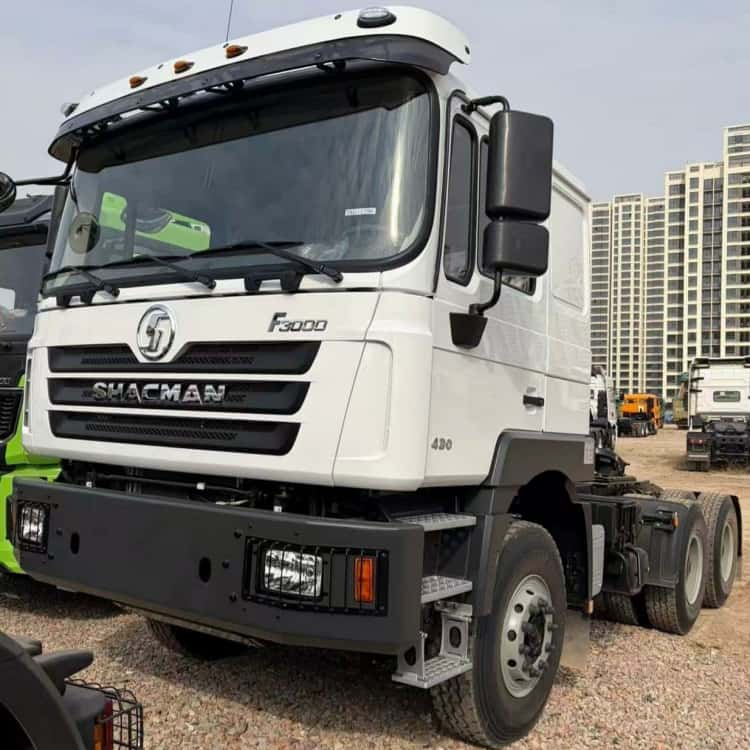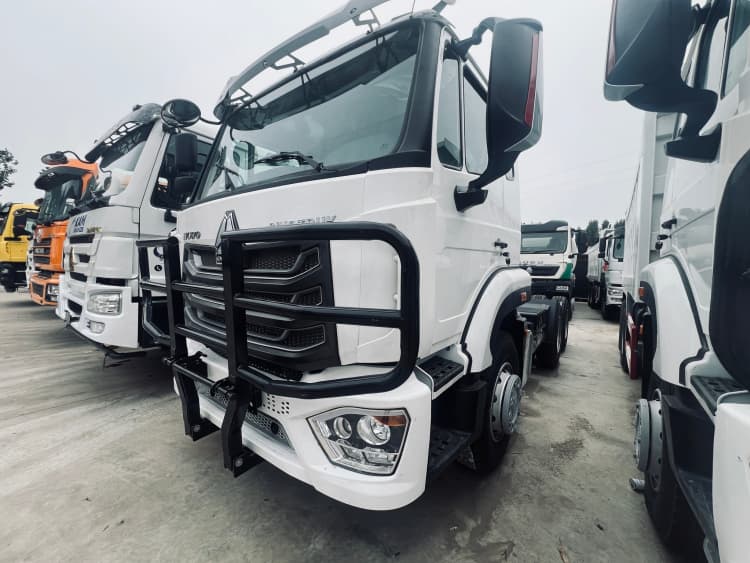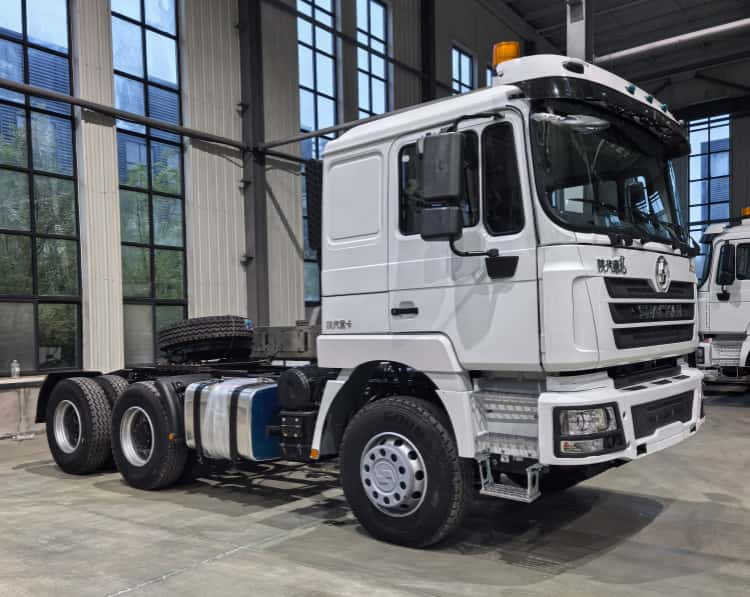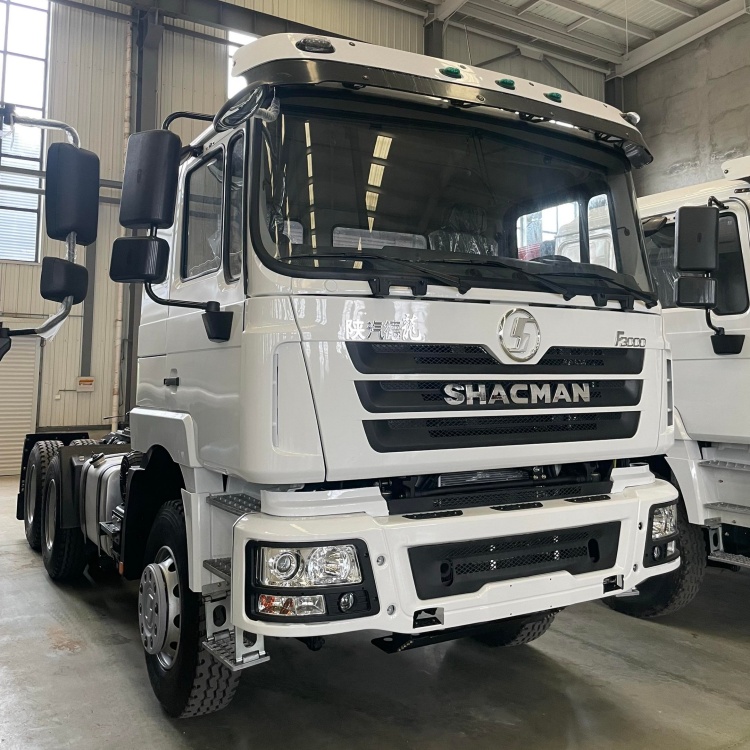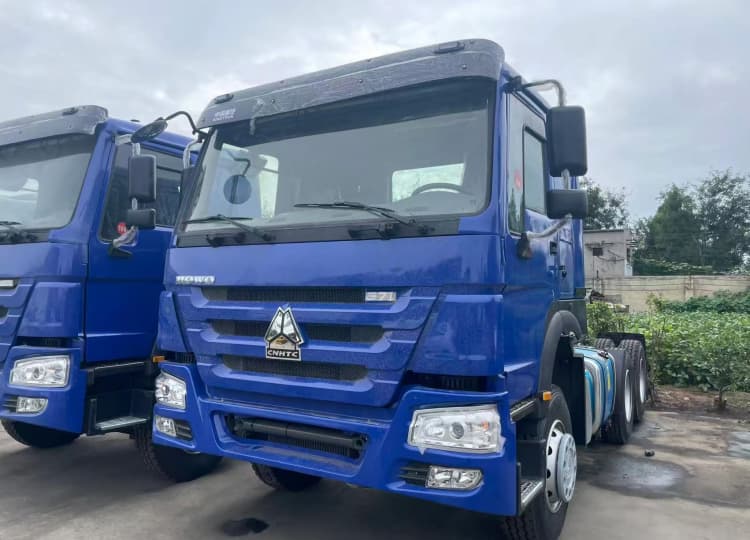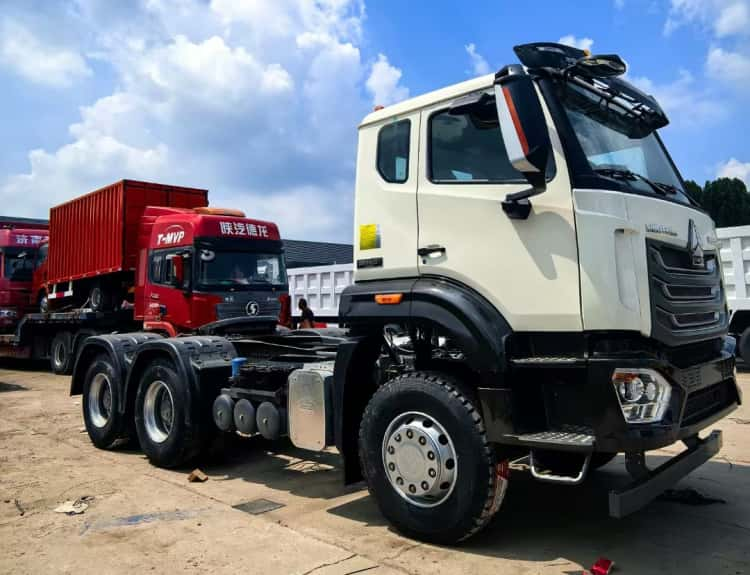
The Myth That All Second Hand Trucks Are Equal
Intro
It is a common shortcut in procurement: group all second hand trucks into one single category. Buyers may compare them only by mileage, model year and asking price, assuming similar performance and remaining service life. This assumption ignores the huge range of quality hidden behind the simple label of “second hand”.
A lightly used truck with gentle operation is nothing like a unit that survived years of overload, neglected maintenance and repeated impact damage. Even among trucks with matching VIN series and odometer readings, their fatigue profile can be worlds apart. REMAN ROAD was built to address this uneven landscape, by turning qualified second-hand cores into standardised, predictable qualified reman trucks.
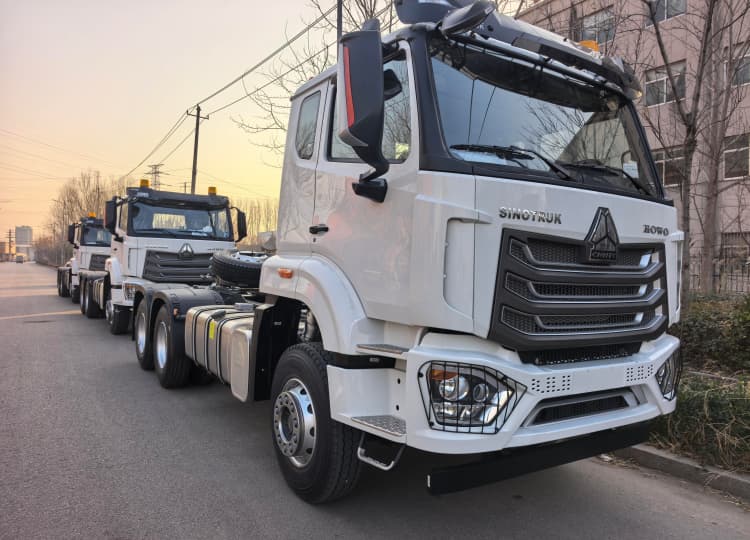
The misleading similarity of surface metrics
Mileage and build date are the most visible reference points for second hand trucks evaluation. They are easy to list on a sales sheet, but they only tell a tiny fraction of the story. Two trucks with identical mileage can carry completely different damage histories.
One may have run on paved highways with steady loads and regular scheduled service. The other may have worked on unimproved quarry sites, carrying overloaded payloads and hitting ruts daily.
Mileage does not capture shock loading, torsion stress, corrosion exposure or past overheating events that degrade structural steel. When buyers treat these two assets as equal, their TCO model becomes fundamentally unreliable.
Operational history creates invisible fatigue gaps
How a truck was used matters far more than how many kilometres it travelled. Fleet records reveal critical context: consistent overloads, tipping cycle frequency, off-road exposure, previous accidents and emergency repairs. A truck that underwent repeated structural weld repairs in high-stress zones will have a different fatigue baseline than a unit with no factory weld damage.
Many second hand trucks change hands multiple times, and their service history becomes fragmented or lost. Without a traceable log, the buyer cannot know which stress events shaped the frame, axles and powertrain. This is the core reason identical-looking second hand trucks deliver wildly different uptime outcomes.
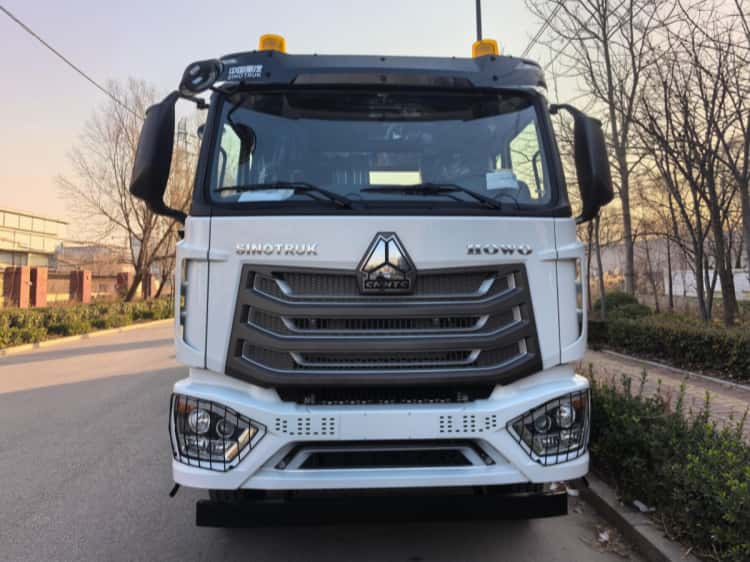
Inspection depth separates tiers of second-hand assets
Not all second hand trucks receive the same level of scrutiny before resale. At the lowest tier, trucks are washed, minor leaks patched, and sold with only a visual walkaround. No hotspot NDT, no corrosion mapping, no frame straightness check and no component disassembly are performed. At the middle tier, reconditioning replaces obviously broken parts and runs a short road test, but leaves most wear components untouched.
At the top tier, REMAN ROAD qualified reman trucks tears down the critical systems, grades every component by the three-bucket rule, runs mandatory testing and assigns a formal duty envelope. These three tiers all fall under the broad “second hand” umbrella, yet their risk profile is not comparable at all.
Residual value and depreciation do not follow the same curve
If all second hand trucks were equal, they would depreciate at matching rates. In reality, depreciation is heavily tied to provable condition and documentation. A second-hand truck with no inspection trail will depreciate quickly, because future buyers cannot verify its structural integrity.
REMAN ROAD qualified reman trucks carries a complete VIN-linked Quality Log, including NDT scans, bench test results and weld repair limits. Its depreciation path is slower and more predictable, because its residual fatigue margin is quantified. For finance teams and future resale planning, this difference translates directly to asset value that cannot be captured by price or mileage alone.
Insurance and warranty risk vary widely
Insurers and warranty providers also recognise that second hand trucks are not uniform. Uninspected used trucks often come with limited or excluded structural coverage. Suppliers know the hidden risk and avoid liability for frame, axle and casting failures.
A REMAN ROAD qualified reman truck, by contrast, has documented inspection evidence that underwriters can review. Warranty terms can be structured around the published duty envelope and required follow-up NDT checks. This distinction means the total cost of risk is not baked into the purchase price. Buyers who ignore the gap may face uncovered breakdown bills that erase their initial savings.
How this myth distorts procurement decisions?
When buyers believe all second hand trucks are equal, they default to picking the lowest price. This creates a race to the bottom that rewards sellers with minimal inspection controls. Fleets may save money on day one, only to absorb emergency repair costs, load penalties and downtime losses later. Even careful maintenance teams cannot compensate for pre-existing structural fatigue hidden inside the chassis. T
he myth also makes it harder for standardised qualified reman truck to compete. Buyers struggle to understand why a REMAN ROAD qualified reman truck carries a different price tag when stacked against an uninspected second hand trucks.
Practical framework for buyers
The first step is to stop grouping all second-hand trucks together. Separate them by history availability, inspection scope and process standard. Ask whether the unit has undergone hotspot NDT, corrosion mapping and frame geometry checks. Request component grading records and a clear statement of retained versus replaced parts.
If the truck is certified reman truck, confirm the standard framework and its duty envelope limits. Price comparison only becomes fair after these process variables are aligned. Comparing a REMAN ROAD certified reman truck against an uninspected used truck is not an apples-to-apples comparison.
Final Takeaway
The myth that all second-hand trucks are equal rests on overreliance on simple surface metrics such as year and mileage. Usage history, hidden fatigue, inspection depth and documentation create massive gaps in reliability, risk and long-term value. REMAN ROAD turns qualified second-hand cores into predictable assets by standardising testing, grading and traceability.
For fleet buyers, the takeaway is straightforward: second-hand is just a starting category. True comparability only exists when the inspection rules, fatigue evidence and operational limits are fully transparent.