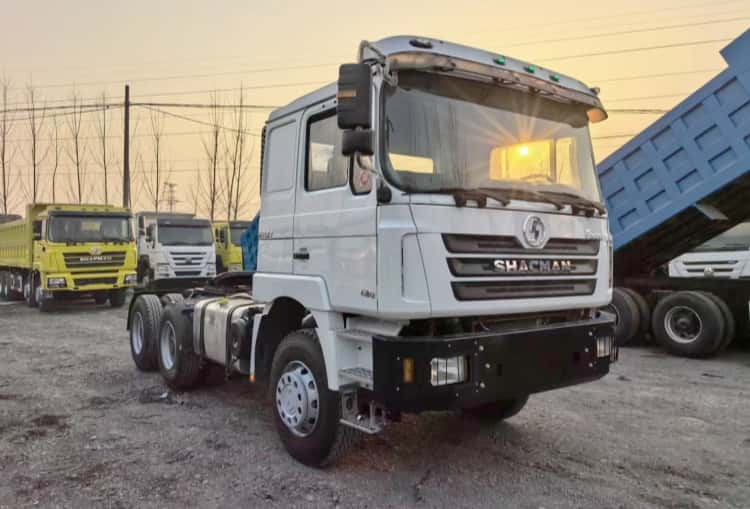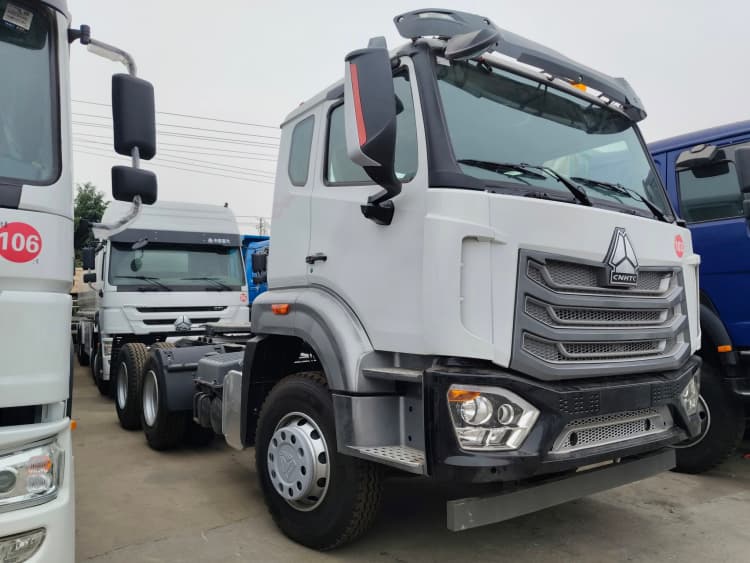
Why Some Fleets Still Distrust Certified Reman Trucks?
Intro
It is easy to assume that clear engineering standards and audit trails would make certified reman trucks an obvious fleet choice. Yet many quarry, construction and logistics fleets remain hesitant, even when presented with well-priced certified reman trucks. Their distrust is rarely irrational. Most of it comes from painful, repeated exposure to what the market calls “reman” but which is only surface refurbishment, patch repair or cosmetic reconditioning.
REMAN ROAD recognises this trust gap, and treats it as a core market problem to solve, not just buyer conservatism. Understanding the root of these concerns helps procurement teams separate genuine risk from outdated, generalised industry bias.
Past bad experience with mislabelled rebuilds
The single biggest cause of distrust is inconsistent quality across the broader second-hand truck market. A fleet may once buy a truck advertised as “fully rebuilt”, only to discover the frame was not NDT scanned, old wear parts were reused, and welds were applied over active fatigue cracks. That unit may fail within months of delivery, causing expensive downtime, load penalties and emergency repair bills.
Once a fleet absorbs that loss, it tends to group all “reman” offerings into the same high-risk category. The buyer cannot easily tell from a sales listing whether the truck followed a controlled component grading workflow or just a quick paint and leak fix. This market confusion creates a broad, blanket distrust of reman as a category.
Uncertainty about residual fatigue margin
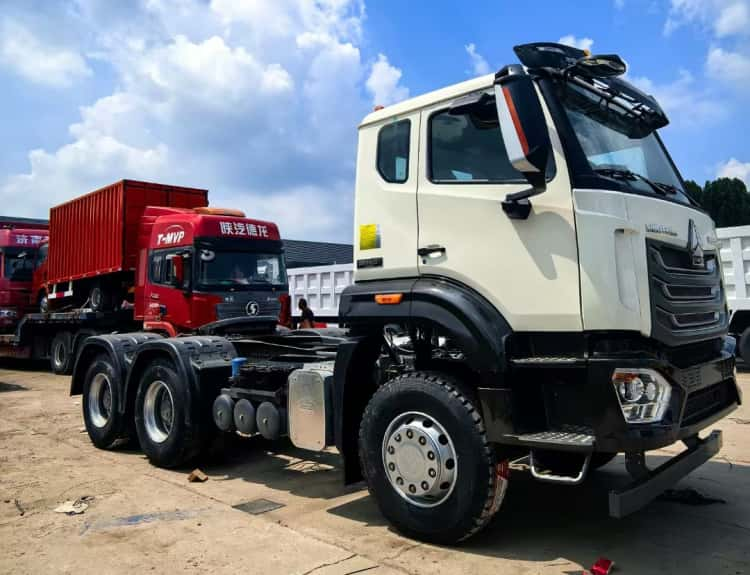
Unlike a brand-new truck, every reman chassis starts with a known service history. Even with strong inspection, fleet managers naturally ask: what damage was not captured? They worry that NDT can miss microcracks, or that material degradation from heat, overload or corrosion will accelerate faster than the supplier admits.
Many fleets lack a clear view of the duty envelope concept. They assume certification means unlimited payload and unlimited cycles, rather than a defined safety boundary paired with scheduled re-inspections. When sellers fail to publish clear payload limits and follow-up inspection rules, that uncertainty becomes distrust.
Weak warranty and after-service support
Warranty language in the rebuild market is often vague. Some sellers offer a short warranty, but exclude frame, axle and structural components. Others hide liability clauses that void coverage if the truck operates on rough quarry roads or under heavy cyclic tipping duty. If a breakdown happens overseas or in a remote site, spare parts availability and technician access become a second layer of risk.
Fleets know that a low purchase price means nothing if the supplier disappears once payment clears. REMAN ROAD certification ties warranty validity strictly to the published duty envelope and complete Quality Log records, but many buyers have never seen that level of formalised support.
Lack of standardised documentation and audit traceability
Most casual rebuilds come with little supporting paperwork. There may be a test drive report, but no frame straightness log, corrosion mapping data, hotspot NDT scans or component grading decisions. Without traceable records, the fleet’s maintenance team cannot build monitoring plans. They also cannot prove the truck’s condition to insurers, auditors or future buyers.
For finance and risk teams, an asset without verifiable inspection history is hard to model in TCO spreadsheets. This lack of data creates a perception that reman truck is a “black box” asset, compared to new trucks with factory certificates and clear warranty books.
Misaligned expectations from marketing overpromising
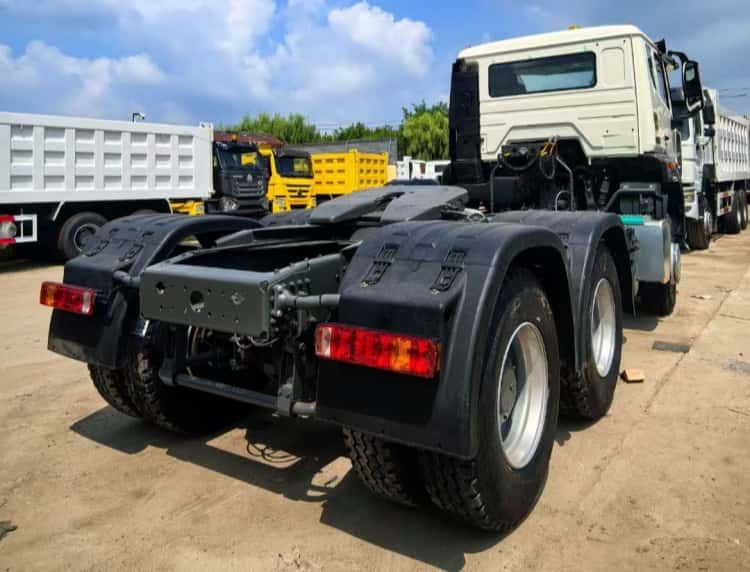
Sellers often use simplified language such as “like new”, “zero defects”. These claims set unrealistic expectations. A certified reman truck can match OEM performance, but it does not erase the chassis’s accumulated fatigue history.
When a fleet expects the same infinite service life and zero structural inspection burden as a new truck, even a properly built reman truck will feel disappointing. When the truck requires periodic NDT spot checks or reduced payload, the fleet interprets this as a quality failure, rather than an inherent feature of reman asset management.
Internal maintenance culture and technician bias
Many fleet maintenance teams have spent years fixing poorly rebuilt trucks. Their field experience teaches them that reused frames, old driveline parts and hidden corrosion are normal for second-hand units. Even when a certified reman truck arrives with full documentation, technicians may remain sceptical. They are used to troubleshooting unexpected failures, and they prefer the predictable baseline of new OEM equipment.
This cultural bias is hard to reverse with a sales brochure alone. It requires sharing hotspot maps, three-bucket grading rules and test data so technicians can understand the engineering controls behind the build.
How REMAN ROAD addresses these legitimate concerns?
REMAN ROAD does not ask fleets to ignore past bad experiences. It directly responds to each source of distrust with repeatable, auditable controls. Component grading, mandatory NDT on mapped hotspots, corrosion mapping, bench testing and third-party audit create a consistent quality gate.
Every certified reman trucks is assigned a clear duty envelope, published alongside inspection requirements. All records are stored under the VIN, so the fleet’s maintenance and finance teams can review the full asset history. The goal is not to claim certified reman trucks are identical to new trucks. The goal is to give buyers predictable risk, transparent limits and proof that the asset reset followed engineering rules.

Final Takeaway
Fleet distrust of reman trucks is mostly rooted in market inconsistency, missing traceability, weak warranty terms and overhyped marketing. Most of these concerns are reasonable, not irrational. REMAN ROAD’s certified reman trucks framework separates disciplined, measured asset reset from casual repair work.
For fleets, trust builds not from low pricing alone, but from access to complete test logs, clear duty limits and enforceable independent audit validation. When the process and risks are fully documented, reman stops being a high-risk guess and becomes a controllable TCO option.