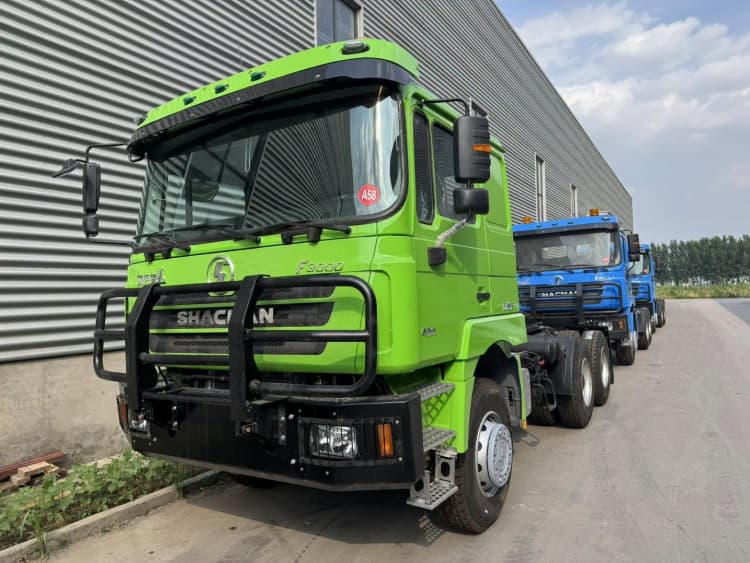
The Rise of Traceability as a New Industry Expectation
Intro
Not long ago, heavy truck remanufacturing and secondary asset trades operated on trust and seller statements. A buyer would rely on a workshop’s word that cores were inspected, parts replaced and tests completed.
Today, traceability is rapidly becoming a non-negotiable baseline expectation across the heavy transport ecosystem. It is no longer a premium feature for a handful of sophisticated fleets; tender teams, financiers, insurers, cross-border regulators and ESG auditors all treat verifiable asset history as standard due diligence.
REMAN ROAD builds its entire certified reman framework around this shift, embedding reman traceability into every stage of overhaul so that every claim about quality can be backed by permanent, retrievable records.
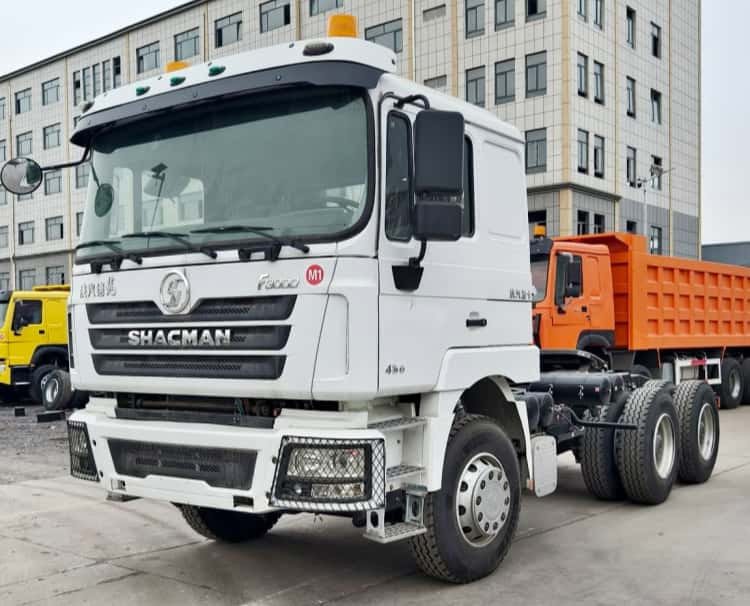
Traceability addresses the root problem of information asymmetry
The historic pain point of reman and rebuilt truck markets is information asymmetry: the seller knows what work was done, while the buyer cannot independently confirm it. This gap creates risk discounts, disputes, greenwashing accusations and liability exposure.
Reman traceability record closes that gap by creating a permanent record linking the VIN, core assemblies, inspection results and component changes. Instead of accepting “we checked the frame” at face value, stakeholders can pull the NDT report, technician sign-off, test date and defect disposition. As buyers become more risk-aware, this ability to validate is turning from a nice extra into a minimum requirement.
Tender and project governance drive mandatory record-keeping
Large infrastructure, mining and multilateral-funded projects have tightened equipment pre-qualification rules. Contract clauses increasingly require fleets to demonstrate that critical safety assets have undergone defined inspection protocols. A simple sales certificate is insufficient; auditors ask for raw test evidence, serial-level component logs and proof that non-compliant cores were rejected.
Bidders without reman traceable records are disqualified or forced into costly last-minute re-inspections. This tender pressure cascades down the supply chain: fleet operators will only source reman trucks that come with reman traceability packages, which in turn pushes remanufacturers to adopt standardised digital record systems.
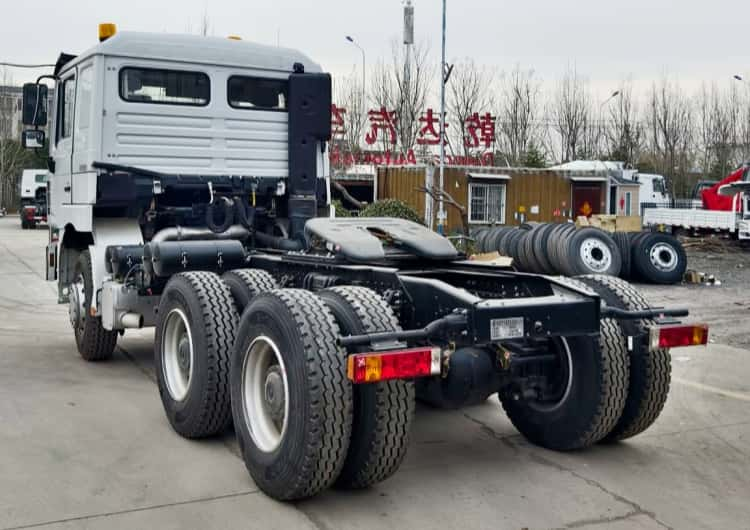
Cross-border trade and customs compliance depend on auditable asset history
When reman trucks move between regions, border agencies and local transport authorities need to distinguish legitimate, safety-validated reman assets from salvaged write-offs or poorly rebuilt stock. Without clear traceability linking overhaul scope, structural testing and compliance checks, shipments face delays, detention or rejection.
Standardised reman traceability log files create a shared language for importers and regulators. REMAN ROAD’s VIN-bound records separate lifecycle reset truck remanufacturing from salvage repair, making clearance smoother and reducing the risk of costly border disputes. For exporters, reman traceability is now a market access prerequisite, not a marketing differentiator.
Lenders and insurers integrate traceability into risk underwriting
Financial and insurance underwriters are increasingly using traceability data to tier asset risk. They no longer treat all rebuilt trucks as one high-risk bucket. A complete traceability package proves consistent process control, third-party verification and known residual-value grading. This evidence supports better financing terms, standard physical damage policies and fewer liability exclusions.
Conversely, assets with no history trail are automatically assigned higher risk pricing. This shift is transformative: reman traceability directly impacts the cost of capital and insurance, so it carries hard financial consequences for buyers and sellers alike.
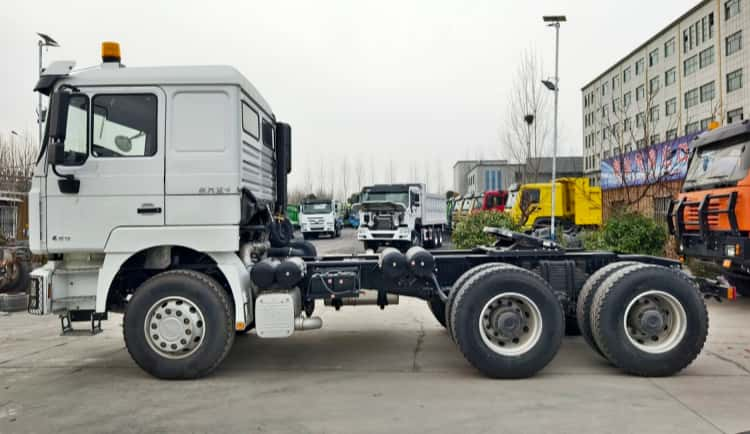
ESG and carbon verification cannot function without traceable asset data
Credible embodied carbon and circularity reporting needs source-level evidence. To claim virgin material savings and avoided manufacturing emissions, organisations must prove which original heavy assemblies were retained, tested and reused. Generic “recycling” or “remanufacturing” statements are vulnerable to greenwashing challenges.
Reman traceability logs capture core retention decisions, scrap disposition and material diversion volumes. This gives sustainability teams audit-ready data they can submit in ESG disclosures, client sustainability questionnaires and supply chain carbon reports. As sustainability regulation tightens, traceability becomes the foundation of defensible environmental claims.
Digitalisation makes permanent traceability practical and scalable
Ten years ago, full lifecycle traceability was cumbersome, paper-heavy and hard to replicate in batch production. Cloud databases, unique asset identifiers, photo evidence libraries, automated test logging and encrypted record storage have changed that. REMAN ROAD ties every inspection, test result and component change to the vehicle VIN in an immutable digital file.
Records cannot be retroactively altered to hide failed tests or skipped procedures. This scalability means traceability can be applied to bulk fleet procurement, not just one-off premium units. As digital workflows spread, buyers grow accustomed to instant access to asset history and will not revert to paper-only or verbal processes.
The expectation shift: from “prove you are good” to “show your records by default”
The cultural change in the industry is subtle but profound. Previously, the remanufacturer had to volunteer extra proof to win trust. Today, the default expectation is that records exist and are available on request. Buyers no longer ask “can you provide inspection documents?” as a special favour; they treat it as part of the standard delivery package.
Suppliers that cannot supply traceability are not just less competitive — they are seen as non-compliant with modern market standards. This redefines the competitive landscape: quality is assumed only when backed by a traceable audit trail.
Closing
Traceability is becoming the foundational operating standard for the heavy truck remanufacturing sector, reshaping procurement, cross-border trade, finance, insurance and ESG accountability. It turns subjective quality claims into objective, auditable evidence and reduces the systemic risk that has long limited the growth of authentic reman markets.
REMAN ROAD builds this expectation into its core operating model, recognising that in the emerging market, a certified reman truck without a complete reman traceability record is incomplete. For fleet buyers and asset traders, traceability is no longer an optional upgrade — it is the new baseline.