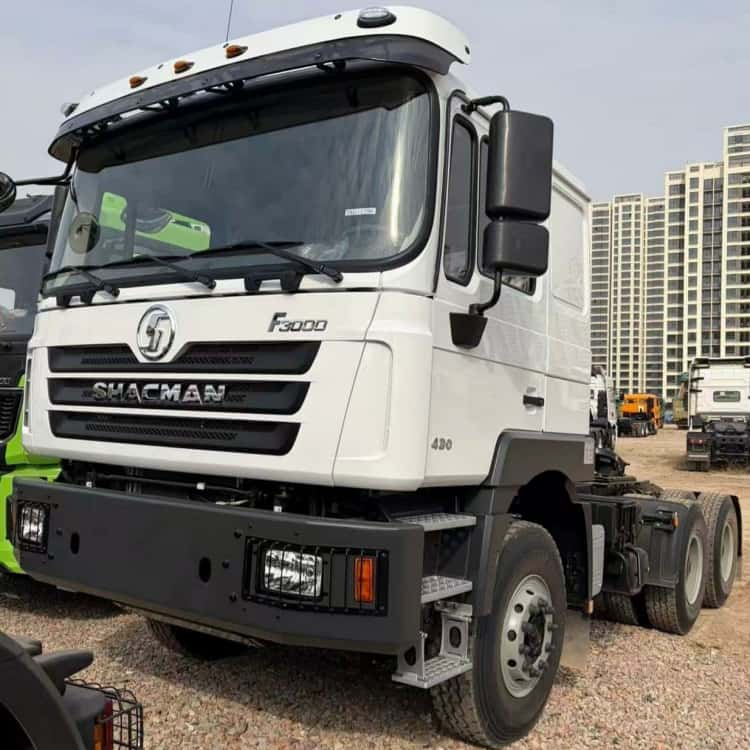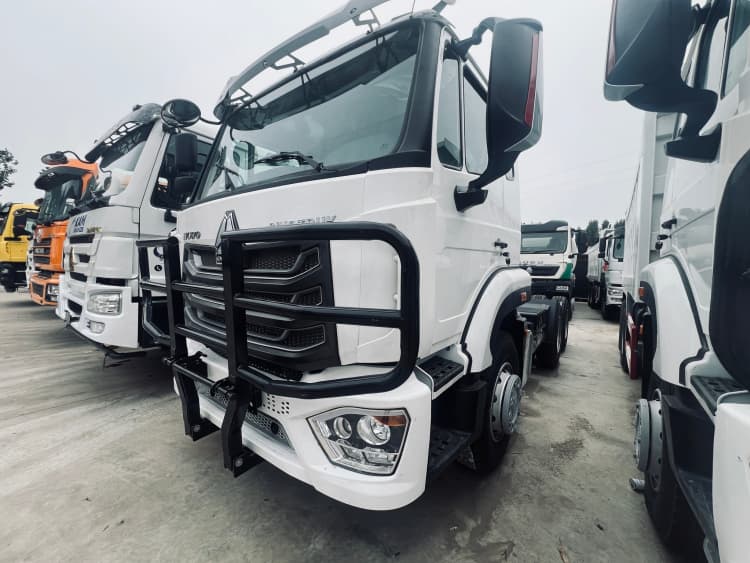
Why Standardisation Reman Is Becoming the Industry Direction?
Intro
For years, heavy truck remanufacturing was fragmented. Each workshop followed its own workflow, used its own definition of “rebuilt”, and applied inconsistent testing rules. This lack of shared benchmarks created widespread market confusion, quality dispersion, disputes and risk discounts. Today, standardisation remanufacturing is emerging as the clear industry direction. It is not merely a technical upgrade; it is a market infrastructure shift.
REMAN ROAD builds its entire model on unified disassembly protocols, NDT inspection thresholds, dynamometer testing criteria, grading rules, digital traceability and warranty terms. Standardisation remanufacturing turns reman from a risky niche repair business into a scalable, auditable asset class trusted by fleets, financiers, insurers and cross-border buyers.
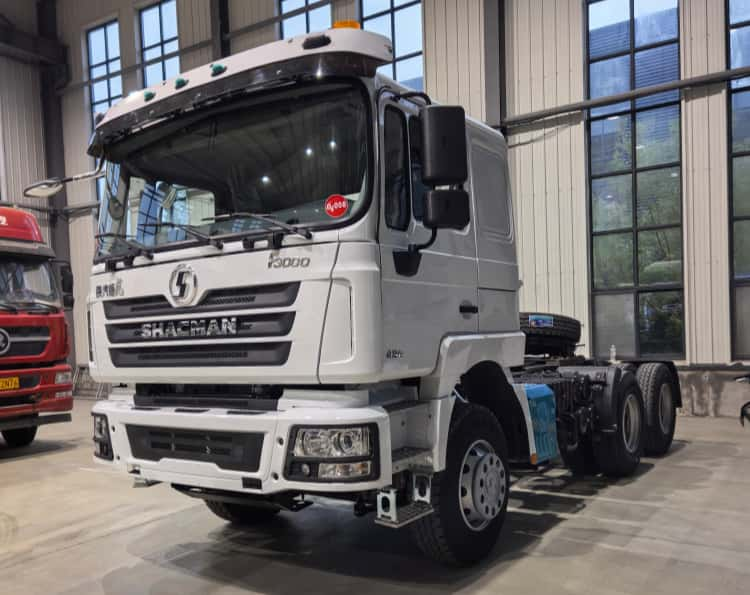
It eliminates the definition chaos that plagued reman markets
The biggest historical barrier to reman adoption was blurred terminology. Sellers labelled patch repairs, cosmetic refurbishment and partial overhauls all as “remanufactured”. Buyers had no reliable way to tell them apart. Standardisation establishes a shared, enforceable definition: what core components must be inspected, which wear parts require renewal, what tests are mandatory, and what documentation must accompany delivery.
REMAN ROAD’s standard framework draws a hard line between authentic lifecycle-reset standardisation remanufacturing and informal refurbishment. This shared language removes negotiation friction, reduces disputes and prevents low-quality operators from free-riding on the reputation of genuine standardisation remanufacturing.
Batch consistency makes bulk fleet procurement practical
Fleets buying dozens of units for large infrastructure or mining projects cannot tolerate unpredictable quality variation across a single procurement lot. Non-standard rebuilds produce wildly different reliability, maintenance demand and residual value from one truck to the next.
Standardisation remanufacturing applies identical checklists, test pass/fail thresholds and assembly procedures for every unit of the same grade. This consistency enables fleet managers to build uniform maintenance schedules, forecast unified depreciation curves and rotate assets across multiple worksites without surprises. Bulk purchasing, batch warranty administration and fleet KPI modelling all become far simpler.
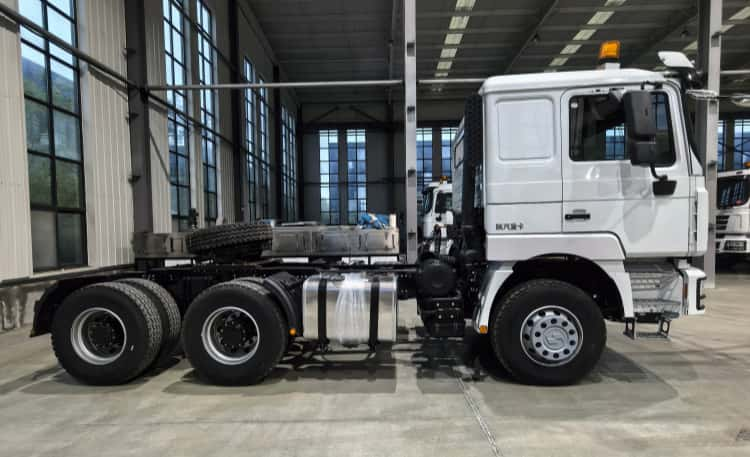
Standardised evidence satisfies tender, audit and compliance gateways
Modern project tenders, multilateral funder rules and site safety audits increasingly require repeatable, verifiable proof of asset fitness. A one-off inspection report from a local workshop is rarely accepted. Standardisation remanufacturing delivers a repeatable evidence package: component manifests, NDT structural reports, brake and powertrain test logs, third-party verification and grading certificates in a consistent format.
This pre-built audit pack becomes a pre-qualification ticket. Suppliers without standardised unified remanufacturing process struggle to produce comparable records and get screened out at compliance checks. As tender governance tightens, standardisation becomes a market access requirement.
It creates stable underwriting rules for lenders and insurers
Finance and insurance markets cannot efficiently price assets when quality rules are arbitrary. Without standards, every rebuilt truck is treated as a unique high-risk case, attracting high premiums, restrictive stated-value policies and limited financing options. Standardised reman gives underwriters a predictable risk framework.
REMAN ROAD unified remanufacturing process fixed grading and test protocols let insurers and financiers tier risk objectively, separate certified standardisation remanufacturing from salvage rebuilds, and offer standard commercial coverage and loan terms. This unlocks capital for buyers and improves asset liquidity across the secondary market.
Traceability systems scale reliably only on standardised workflows
Immutable VIN-linked traceability cannot function at scale if every overhaul follows a different sequence and captures different data points. Standardisation reman defines exactly which events are logged: core serial verification, inspection results, rejected component disposition, part replacement, post-overhaul testing and final sign-off.
Every record uses the same data fields and evidence format. This digital consistency is why traceability is moving from custom one-off reports to a default delivery feature. Without standardisation remanufacturing process discipline, traceability files become incomplete, incomparable and easy to challenge during ESG or safety audits.
ESG and carbon accounting depend on standardised reuse metrics
Circular economy and embodied carbon claims require repeatable measurement. To calculate virgin material savings and avoided manufacturing emissions, operators need consistent rules for core retention, component reuse and scrap diversion. A non-standard refurb shop cannot supply auditable, comparable sustainability data.
Standardised unified remanufacturing process defines what counts as a retained valid core, what testing must be completed before reuse, and what data points feed into carbon models. This removes greenwashing risk and lets fleets submit consistent, defensible ESG disclosures. As sustainability regulation matures, standardisation becomes the foundation of credible circular reporting.
It supports after-sales and warranty service networks
Warranty programs collapse when workmanship and build scope vary wildly. Standardised heavy truck remanufacturing sets clear coverage boundaries, duty-class limits, service requirements and root-cause diagnostic remanufacturing process workflows. When a claim arises, service teams know exactly which process step to audit, which test data to review, and whether the failure stems from workmanship, misuse or neglected maintenance.
This enables scalable warranty administration, consistent claim adjudication and predictable spare parts stocking. REMAN ROAD’s standardised service manual also helps remote field technicians diagnose and service reman platforms reliably across regions.
Cross-border trade demands aligned, transferable quality benchmarks
Cross-border heavy truck remanufacturing trade is expanding rapidly, but regional inspectors, customs authorities and local regulators all need a common reference point. Without harmonised standards, each shipment faces subjective re-inspection, detention or rejection.
Standardisation remanufacturing creates a portable quality passport. Buyers, importers and regulators in destination markets can interpret the test reports and grading without re-inventing evaluation rules every time. This reduces border delays, cuts third-party re-inspection costs and opens export channels that are closed to undocumented refurbished stock.
Closing
Standardisation remanufacturing is rising as the industry direction because it solves the foundational market failures of the old rebuild sector: ambiguous definitions, random quality, weak auditability, unpredictable risk and poor scalability.
REMAN ROAD’s unified remanufacturing process, testing, grading and traceability turn remanufacturing from a grey-market workaround into a professional, financeable, tender-eligible asset category. For fleets, traders and industry stakeholders, standardisation is not just a quality upgrade — it is the infrastructure that unlocks the long-term growth of the circular heavy transport economy.