Trends in Fleet Procurement: Moving Beyond First Cost
Intro
For many years, heavy fleet procurement operated under a simple rule: the lowest compliant bid wins. Tender evaluation sheets weighted upfront purchase price heavily, with secondary checkboxes for basic specifications and compliance. This model rewarded low-cost, undocumented refurbished assets and pressured suppliers to cut quality to hit price targets.
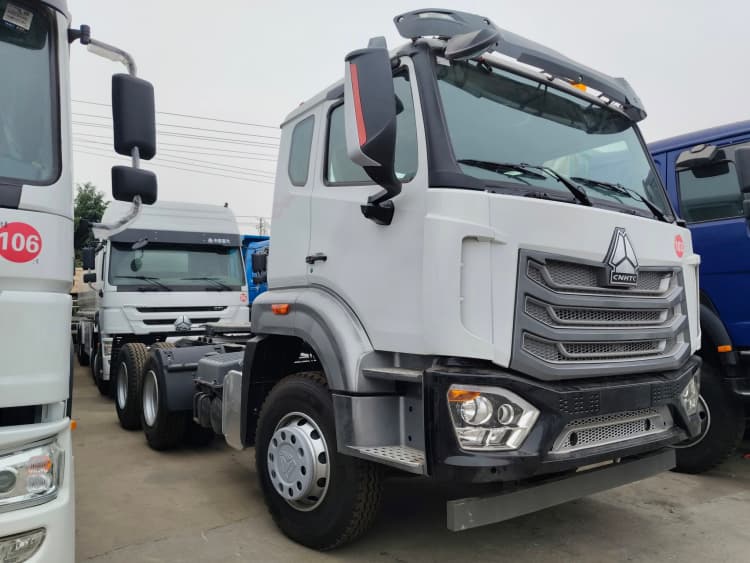
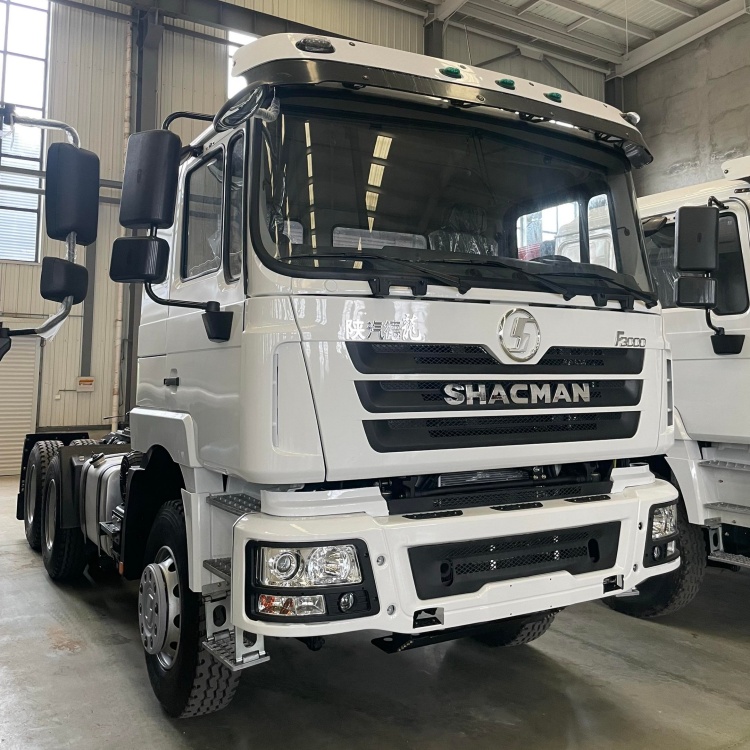
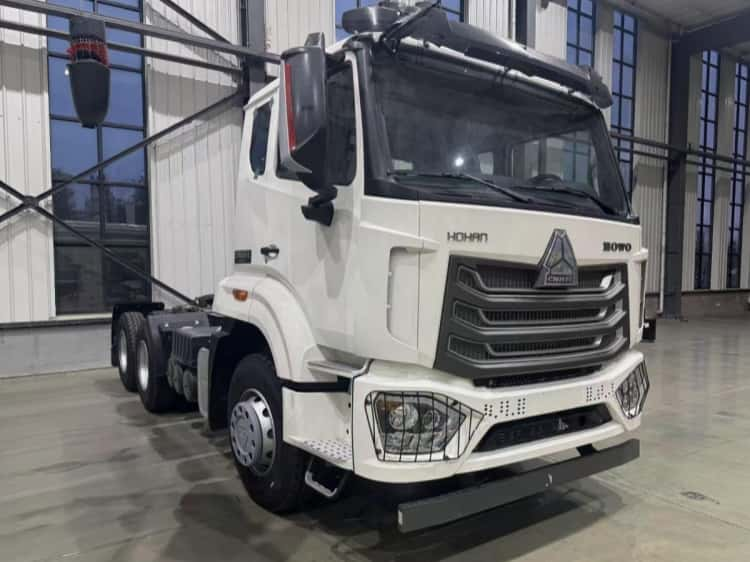
Today, a clear industry trend is underway: professional haulage, mining and construction fleets are restructuring fleet procurement criteria to look past first cost. Total cost of ownership, uptime risk, auditability, residual value, ESG eligibility and insurance underwriting evidence now carry formal scoring weight. REMAN ROAD verified remanufactured trucks are designed for this new evaluation logic, where the value proposition is lifecycle performance rather than a discounted sticker price.

Tender scoring frameworks are being rewritten
The most visible change is in formal bid evaluation templates. Old procurement models assigned 60–80% of the score to price. Newer frameworks split weighting more evenly: first cost is often reduced to 30–45%, while the remainder is allocated to reliability evidence, test documentation, warranty terms, after-sales support, traceability and residual value forecast.
Procurement teams now explicitly penalise bids that lack proof of testing, NDT reports or third-party verification. This means a moderately higher-priced verified remanufactured trucks can outscore a cheaper refurbished alternative, even with a higher upfront invoice. The shift institutionalises TCO thinking instead of treating it as an informal side calculation.
Downtime and contractual risk are quantified as procurement criteria
Forward-thinking fleet buyers no longer treat downtime as an operational problem that maintenance teams resolve after purchase. They model it during sourcing. Procurement specifications now ask suppliers to supply historical failure rates, mean time between breakdowns, standard turnaround for repairs and liability coverage for workmanship defects.
For project-based fleets, unplanned stoppages carry liquidated damages risk, which is a contractual cost the procurement department is accountable for. REMAN ROAD verified remanufactured trucks’s standardised testing and warranty provide consistent inputs for these risk models, while low-cost refurbished units cannot supply credible uptime data and are marked as higher-risk selections.

Traceability and audit readiness become pass/fail gate criteria
What was once a differentiator is quickly becoming a pre-qualification filter. Large asset owners, multilateral project funders and insurance partners require every critical safety assembly to have retrievable inspection records before the truck joins the fleet.
Fleet procurement checklists include VIN-linked digital files, component change logs, brake test results and structural inspection sign-offs. Bids without this traceability package are screened out at the compliance stage, before price is even compared. This gatekeeping eliminates the traditional low-price refurb stock from many high-value tender pools entirely.
Residual value and exit strategy are embedded in asset selection
Traditional buying treated resale value as a distant afterthought. Modern fleet procurement teams build rotation plans at the point of purchase. They evaluate how quickly the asset can be remarketed, which buyer segments it qualifies for and how predictable its depreciation curve will be.
Verified reman process with standard grading and transferable records hold stable residual value and have a larger pool of institutional buyers. Cheap refurbished units carry uncertain exit value and often turn into stranded assets at the end of a project. This makes residual value a formal financial criterion rather than a secondary consideration.
ESG and scope 3 reporting requirements influence sourcing decisions
Sustainability requirements are reshaping vendor evaluation. Procurement teams must collect supply chain data to report embodied carbon, virgin material reduction and circular economy targets. A generic refurbished truck cannot supply the evidence needed for auditable ESG claims.
REMAN ROAD’s verified reman process documentation records core reuse, material diversion and avoided manufacturing emissions. When two assets are close on price and performance, the one with defensible sustainability evidence will be preferred, especially for clients with net-zero mandates. Greenwashing risk also pushes buyers to avoid suppliers that cannot back environmental claims with records.

Financing and insurance terms are evaluated alongside asset pricing
Procurement now assesses the full capital package, not just the purchase invoice. Different asset types attract different interest rates, down-payment requirements, insurance premiums, deductibles and gap insurance obligations. Low-cost undocumented rebuilds may come with restrictive insurance exclusions or high-risk financing surcharges that add recurring annual cost.
Certified verified reman process, supported by audit trails, qualifies for standard underwriting and more predictable financing structures. Smart procurement bundles the asset, warranty, service support and risk cost into one comparison, rather than separating finance and insurance as unrelated overhead.
The shift creates a new remanufacturers segmentation
This procurement trend splits the market into two remanufacturers categories:
- Price-focused remanufacturers: compete on first cost, serving buyers with minimal tender, ESG and audit obligations.
- Performance-focused remanufacturers: compete on predictable TCO, traceability, warranty and uptime, serving professional project fleets and cross-border traders.
This segmentation is permanent. It does not mean low-price trucks disappear; it means they are no longer the default choice for formal, audited fleet procurement.
Closing
Fleet procurement is evolving from a purchasing exercise to a long-term asset portfolio governance process. First cost remains relevant, but it is no longer the dominant decision driver. TCO modelling, downtime risk quantification, traceability pre-qualification, residual value planning and ESG audit readiness are now central evaluation pillars.
REMAN ROAD verified remanufactured trucks aligns perfectly with this direction, delivering the verifiable quality and predictable lifecycle economics that modern procurement teams require when they move beyond chasing the lowest upfront price.