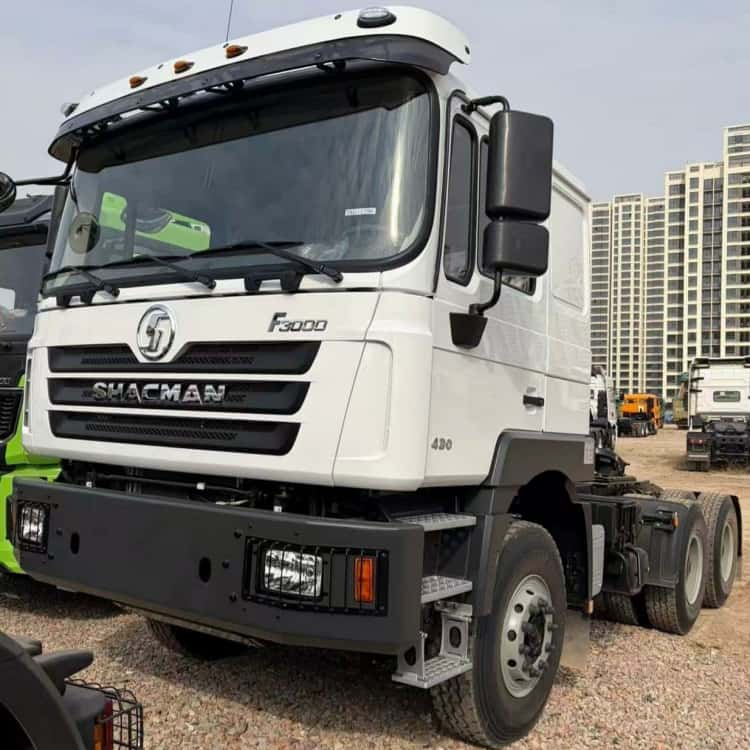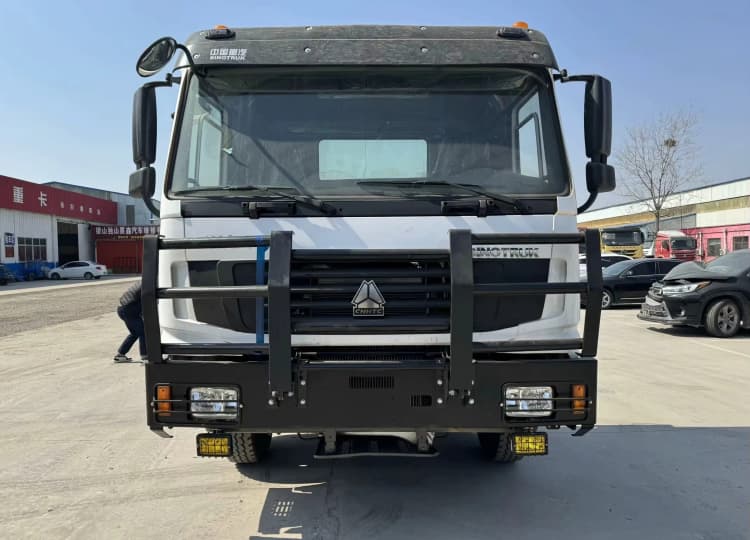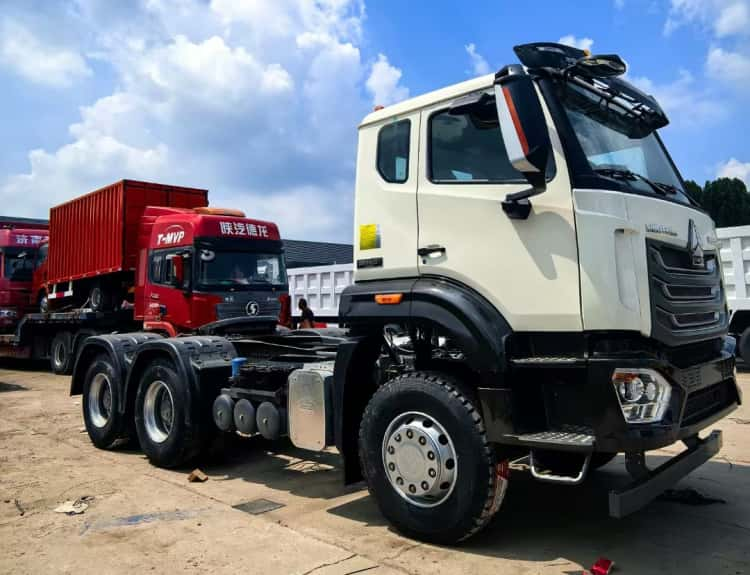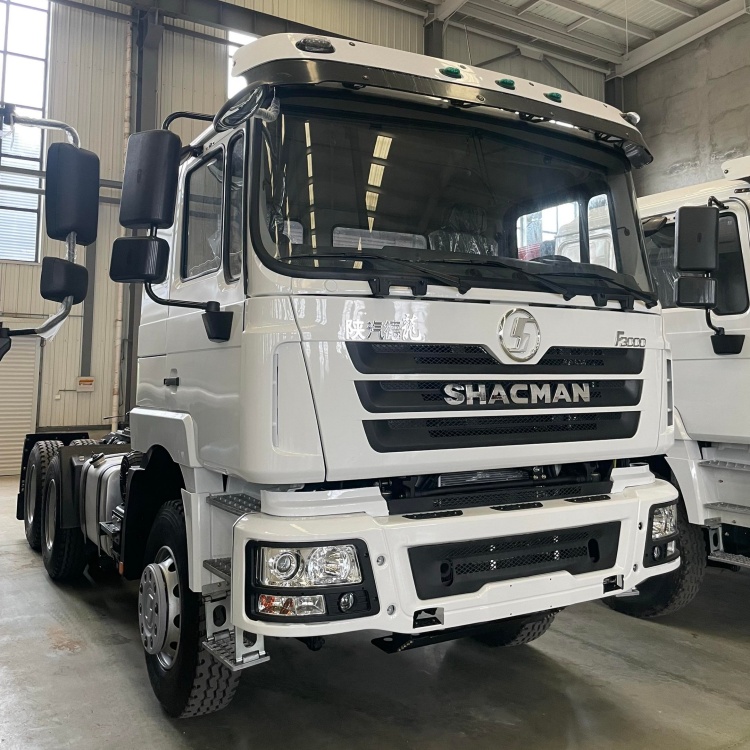
Common Assumptions About Reman Unit That Cost Fleets Money
Introduce
Fleet asset managers often make decisions based on intuitive assumptions about reman unit. These assumptions sound reasonable on the surface, but they do not match the engineering reality of certified reman unit. When taken for granted, they lead to poor scope selection, wrong deployment, missed verification steps and unexpected financial losses.
The biggest danger is that these assumptions feel like common sense. They slip into tender reviews, supplier negotiations and asset planning without being challenged.
Assumption 1: All reman unit quotes are comparable if the truck model is the same
This is one of the most expensive mistakes. Two quotes for the same model of heavy truck can both use the word “reman unit”, while the underlying scope is wildly different.
One supplier may only overhaul the engine and paint the cab. Another completes full core fatigue screening, chassis disassembly, mandatory fastener renewal, system calibration and loaded end-of-line testing. Comparing these side-by-side on sticker price creates a false bargain.
The low-price option looks attractive, but it carries hidden failure risk. Downtime, repair bills and contract penalties quickly outrun the initial savings.
- Fix: Build a standard scope checklist and require every supplier to mark each work item as included or excluded. Compare scope before comparing price.
Assumption 2: A reman truck can handle the same duty as a brand-new truck
Buyers often assume certification means “equal to new”. It does not.
A new chassis has its full factory design margin. A certified reman unit has passed fatigue screening, but its residual structural reserve is already reduced by prior service cycles. It is safe for its defined duty envelope, but not unlimited.
If you assign it to continuous high-shock mining, overloaded haulage or round-the-clock heavy cyclic work outside its approved profile, fatigue consumption accelerates. Premature structural failure brings costly downtime and may void warranty coverage.
- Fix: Require the supplier to document the approved duty cycle, payload limits and application class before deployment.
Assumption 3: If the engine is reman, the whole truck is reman unit
Engine overhaul is the most common subsystem reman work in the market. Many vendors lean on this to sell partial rebuilds as full reman trucks.
A rebuilt engine does nothing to address hidden frame fatigue, worn suspension brackets, ageing brake components, drifting hydraulic performance or outdated ECU calibration. Even with a brand-new engine, the chassis may still carry invisible structural defects.
- Fix: Ask explicitly whether the core chassis passed independent NDT fatigue assessment, and whether structural inspection is included in the contract scope.
Assumption 4: A clean paint job means the truck is mechanically sound
This assumption is the foundation of the cosmetic rebuild scam. Fresh paint, polished components and a detailed cabin can cover cracks, corrosion pits and deformation.
Surface presentation is a finishing step in genuine certified reman unit, not proof of engineering work. Paint protects against corrosion after validation, but it cannot improve residual fatigue margin.
- Fix: Separate visual inspection from technical verification. Request test reports before you inspect the truck’s appearance.
Assumption 5: Reman warranty covers every possible failure
Fleets often assume that a reman warranty means “no repair cost for the warranty period”. Nearly all warranties carry clear exclusions.
Common exclusions include operator overload, poor scheduled maintenance, unapproved aftermarket modifications, road accidents and normal wearing consumables. Many low-grade warranties also exclude structural failures, only covering the engine or replaced parts.
When a breakdown happens and the claim is denied, the fleet absorbs the full repair and downtime cost.
- Fix: Read the written warranty exclusions, clarify structural coverage, and understand what evidence you must provide for a claim.
Assumption 6: Reman truck will always beat used trucks on upfront purchase price
This is not guaranteed. A lightly used, low-hour truck with a clean service history may sometimes have a lower sticker price than certified reman truck.
Reman unit’s financial advantage is not always the lowest entry cost. It is reduced uncertainty. A certified reman unit has a known fatigue baseline, fixed maintenance schedule and predictable failure curve. An unvetted used truck may be cheaper upfront, but its maintenance spending is volatile.
- Fix: Model full TCO, not just purchase price, over the planned holding period.
Assumption 7: Once certified, the reman truck’s residual value stays high automatically
Certification supports residual value, but it does not lock it in forever.
Residual value depends on ongoing maintenance, adherence to the approved duty cycle, and preservation of the full VIN traceability record. If the fleet skips required service, modifies calibration or overloads the unit, its remaining fatigue margin degrades, and future buyers will heavily discount it. Losing the audit trail also destroys resale value.
- Fix: Store all documentation with the asset and enforce the recommended maintenance plan.
Assumption 8: Reman is the best choice for every truck in the fleet
Certified reman unit is a tiered asset strategy tool, not a universal replacement for all buying models.
New trucks still make sense for zero-failure, high-stakes critical routes. Targeted repair is cheaper for isolated faults on assets nearing retirement. Certified reman unit delivers its best ROI when the fleet intends to run the asset through a planned, defined second lifecycle. Using reman unit for a short, temporary deployment wastes its built-in value.
- Fix: Map each asset to its purpose: new for hardest duty, reman unit for mainstream rotation, repair for short-term fixes.
Assumption 9: The supplier’s certificate is enough proof of compliance
A standalone certificate is a summary document, not traceability.
Many vendors issue attractive certificates without retaining the underlying test data. Without NDT logs, dimensional readings, part serial records and end-of-line test data, you cannot independently verify whether every reman gate was completed. The certificate can be generated without completing the full workflow.
- Fix: Confirm the full audit trail is VIN-linked and available for third-party review.
Assumption 10: Reman eliminates all breakdowns
Reman reduces random, catastrophic failures caused by accumulated hidden degradation. It does not stop normal wear.
Bearings, seals, filters and brake linings will still degrade over operating hours. If a fleet drops scheduled maintenance, these components fail early, and the fleet mistakenly concludes reman is unreliable.
- Fix: Build the reman unit’s official maintenance schedule into your fleet management system.
Closing thought
These assumptions are costly because they simplify a complex engineering decision into a surface-level judgement. They lead fleets to buy the wrong scope, deploy assets beyond their safe limits, and measure value by sticker price alone.
Fleet teams that avoid these traps do not rely on intuition. They verify core qualification, check scope line by line, confirm duty envelopes, audit traceability and model TCO over the full second life. That discipline unlocks the true financial benefit certified reman unit is designed to deliver.