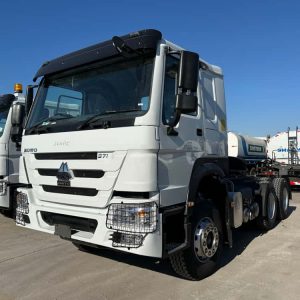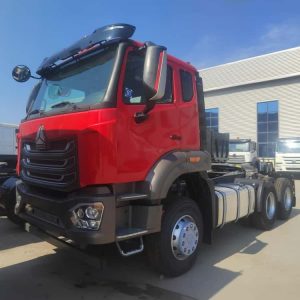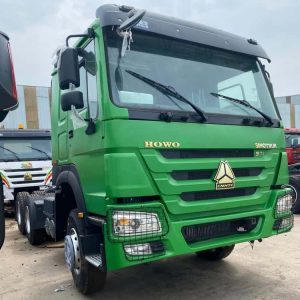
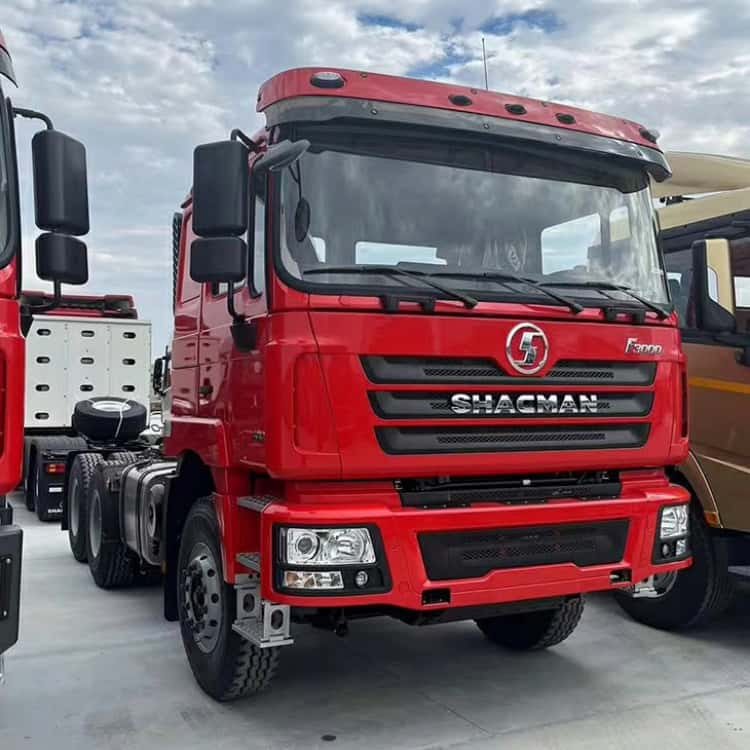
Reman SHACMAN F3000 430 Tractor Truck 6×4
REMAN ROAD reman F3000 tractor truck differentiates itself from informal second‑hand renovation. Every reusable component is measured against OEM tolerance standards; unqualified parts are substituted with certified spares, delivering stable, predictable heavy‑truck performance for daily freight operations.
Reman F3000 Tractor Truck Description
- This standard reman SHACMAN delong F3000 tractor truck addresses core pain points of the second‑hand heavy‑truck market: unknown component fatigue and hidden failure risks.
- The full reman workflow proactively identifies and resolves latent mechanical wear, and key reman steps are traceable, allowing fleets to deploy the unit confidently for high‑intensity bulk‑cargo and container hauling assignments.
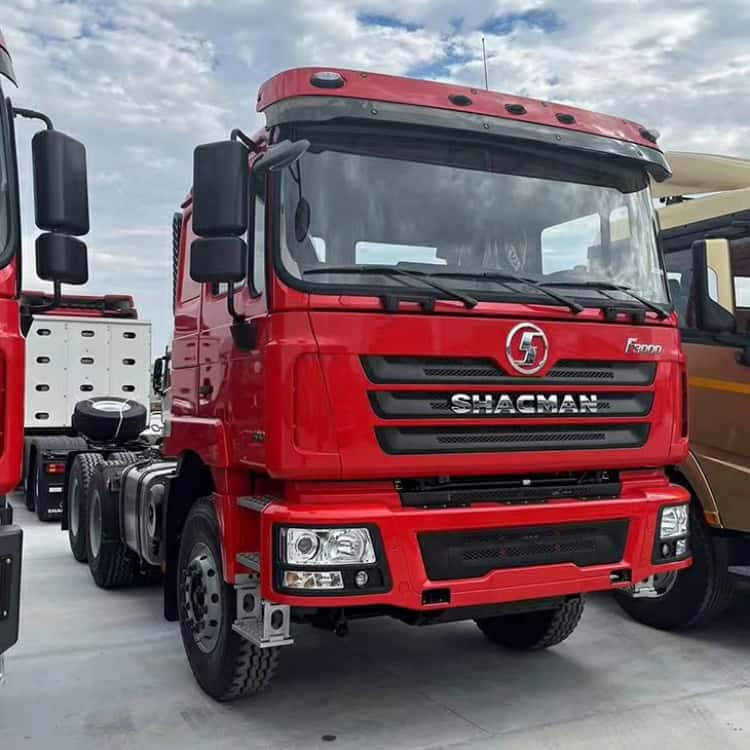
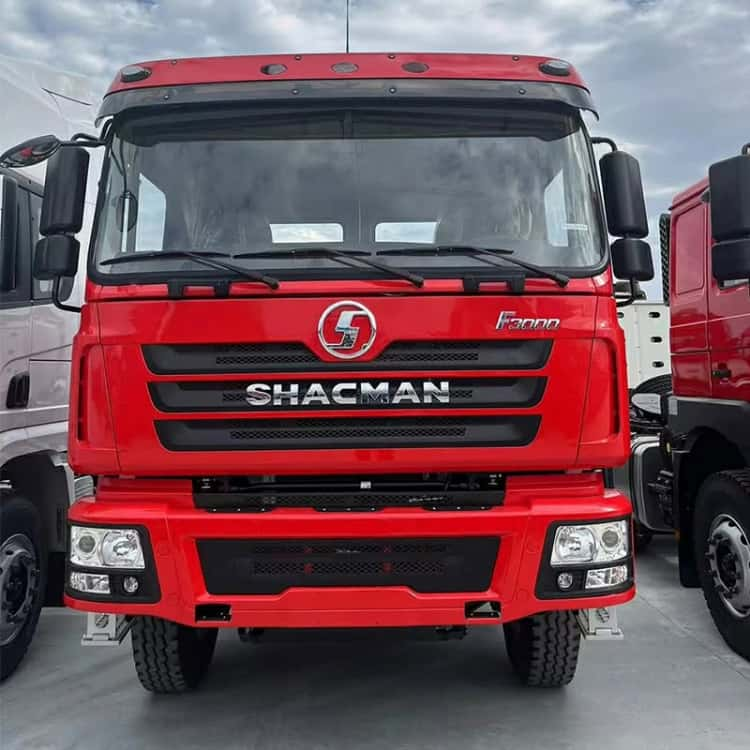
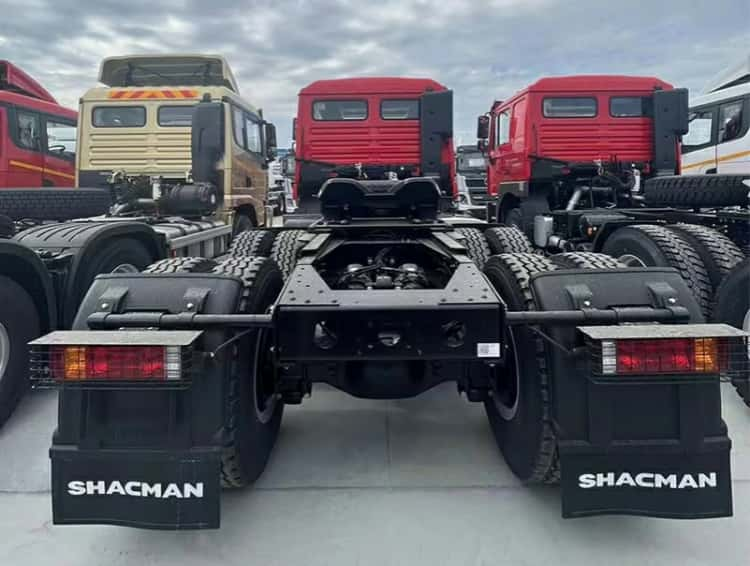
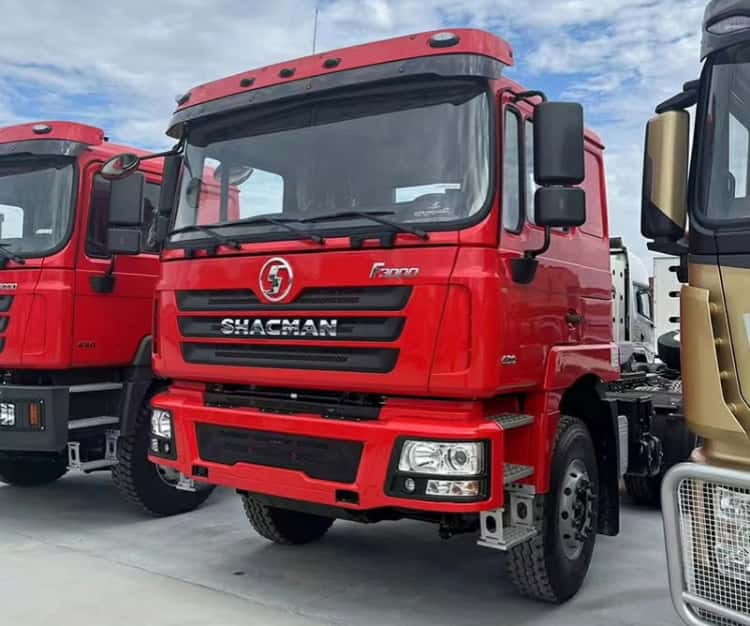
Technical Parameter Table
- Model: Standard Reman SHACMAN Delong F3000 6×4 Tractor Truck
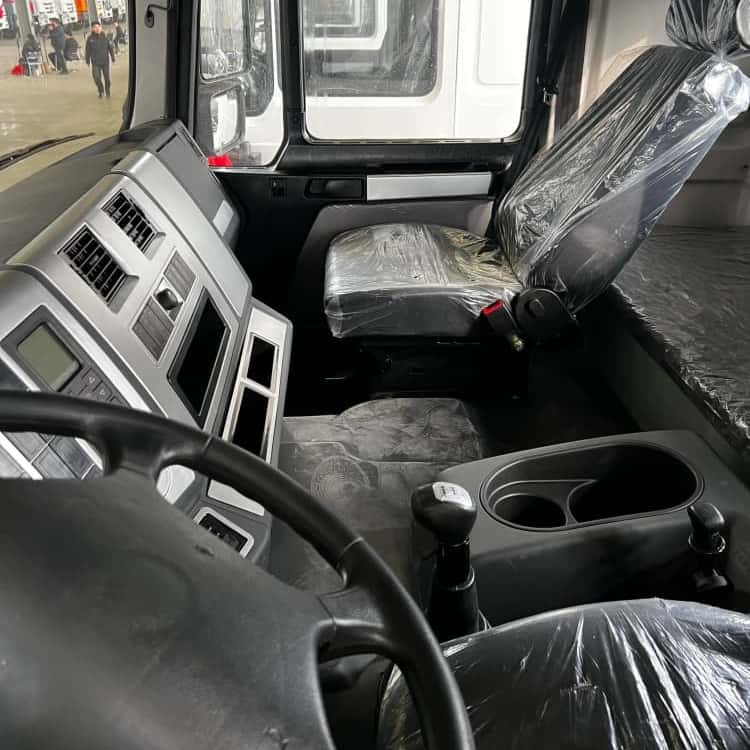
- Cabin: SHACMAN F3000 standard sleeper cabin, reman‑refurbished, structural integrity fully inspected
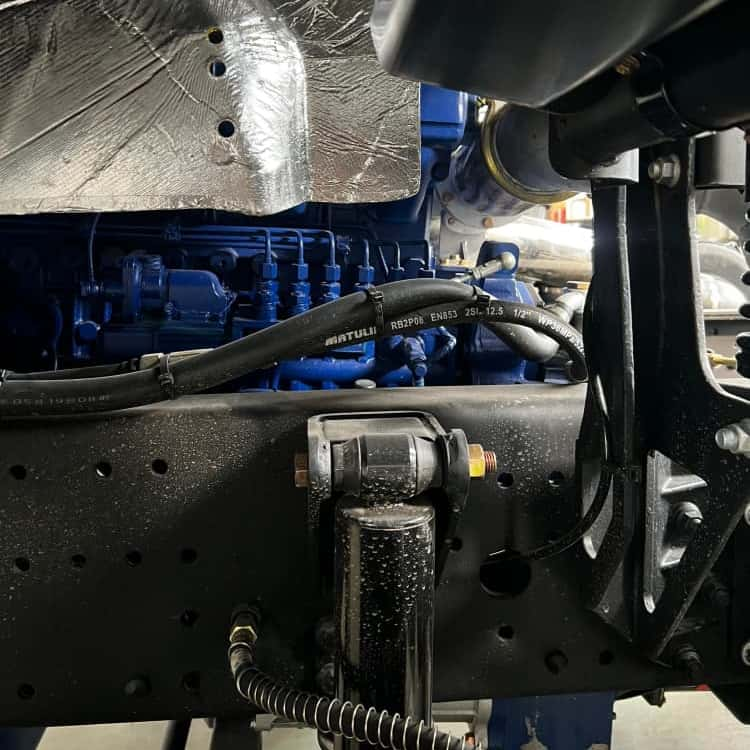
- Engine: Remanufactured WP12 diesel engine, fully torn‑down, cleaned, measured, bench‑calibrated
- Transmission: Reman 12‑speed manual gearbox, friction components renewed, shift performance bench‑verified
- Front Axle: 7.5‑ton remanufactured steering axle, dimensional correction and wear inspection completed
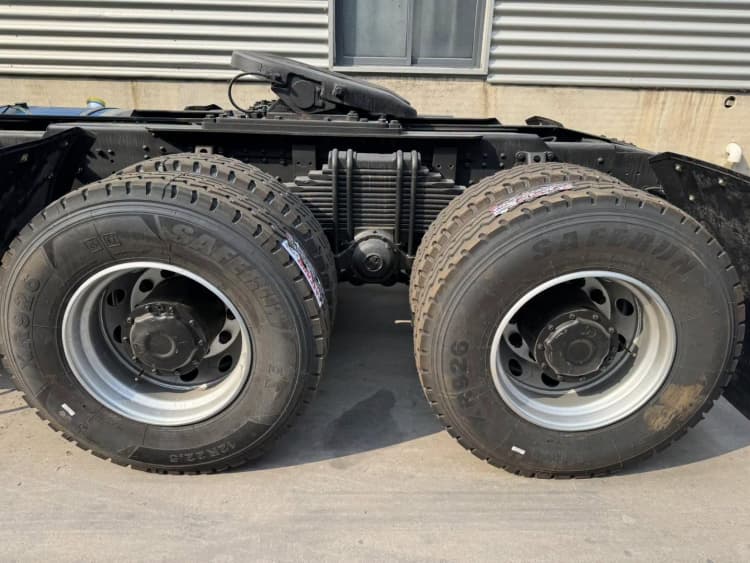
- Rear Drive Axle: 16‑ton heavy‑duty reman tandem drive axles, gear sets inspected, fatigued bearings fully replaced
- Suspension System: Front leaf spring, rear multi‑leaf spring; aging rubber bushings and fasteners mandatorily renewed
- Brake System: Reman air brake system with ABS, all sealing elements replaced, brake performance validated
- Fifth Wheel: Standard 2‑inch kingpin fifth wheel, wear surface measured and refurbished or substituted
- Frame Condition: Main frame non‑destructive fatigue testing, micro‑crack & deformation screening performed
- Fuel Tank: Aluminum alloy fuel tank, interior cleaning and leak‑tightness inspection finished
- Tire Configuration: 12R22.5 heavy‑load radial tires
Current Global Status of Heavy‑Duty Remanufacturing Market
Heavy‑vehicle reman is growing globally, yet faces big challenges from inconsistent standards across regions.
- Market segmentation gap: Developed markets have relatively complete reman specification frameworks; many emerging markets lack unified local reman definitions.
- Label abuse problem: Many overhauled or cosmetically refurbished trucks are labelled “remanufactured”, confusing end‑user judgement.
- Uneven technical capacity: Qualified reman requires disassembly workshop, component testing equipment and technical personnel, thresholds cannot be easily met by small repair shops.
- Rising demand driven by circular‑economy policies: More logistics enterprises start evaluating reman assets for ESG compliance requirements.
- Industry consensus building underway: Industrial organisations are pushing for unified reman terminology to reduce market information asymmetry.
Future Development Trends for Heavy‑Vehicle Remanufacturing
Multiple driving forces will reshape heavy‑truck reman industry in coming years.
- Popularisation of unified reman terminology and baseline standards across cross‑border markets.
- Wider adoption of traceable digital records, recording component inspection and renewal throughout reman workflow.
- Non‑destructive fatigue‑detection technology will become standard procedure for structural component assessment.
- Fleet ESG procurement requirements will further boost demand for formally remanufactured heavy assets.
- Reman business will gradually separate from general repair shops, evolving into independent professional industrial service.
RFQ
- Q: Why is there wide quality variance for reman‑labelled heavy‑trucks across global markets?
A: There is no unified global mandatory reman standard. Many market participants apply the “remanufactured” label to simple overhaul or cosmetic renovation, creating huge quality gaps between compliant and informal products. - Q: What is the biggest misunderstanding fleet buyers hold toward heavy‑vehicle remanufacturing?
A: The most common misconception is equating remanufacturing with buying a used truck. Many buyers fail to distinguish asset‑life‑reset reman work from basic fault‑repair overhaul. - Q: Why cannot fleets judge reman quality purely by exterior appearance of a heavy truck?
A: Surface paint and cabin refurbishment can hide internal mechanical fatigue. Good‑looking exterior provides zero evidence whether core assemblies have gone through standardized disassembly and testing. - Q: What obstacles slow wider adoption of formal heavy‑vehicle reman in international truck markets?
A: Main barriers include inconsistent regional reman definitions, lack of unified inspection certification, insufficient user awareness, and confusion between reman, overhaul and second‑hand renovation. - Q: Is remanufacturing only suitable for older generation heavy‑truck platforms such as SHACMAN F3000?
A: No. Reman applies to any mature heavy‑truck platform whose core structure still retains reusable value. Mature proven platforms like F3000 are simply well‑suited for reman practice. - Q: Why do many second‑hand truck dealers avoid offering real remanufactured units?
A: Formal reman requires full disassembly, testing and traceable records, bringing higher time and technical cost. Informal renovation delivers faster turnaround and higher short‑term profit margin. - Q: How should fleets build internal evaluation criteria to assess reman heavy‑truck suppliers?
A: Focus on workflow documentation, component inspection records, powertrain bench‑test reports and road‑test data, rather than only checking vehicle appearance and price level.