Emerging Demand for Documented Reman in Secondary Markets
Intro
For decades, secondary heavy truck markets traded largely on visual condition, test-drive feel and seller reputation. Cross-border traders, small owner-operators and regional fleets accepted high uncertainty as the cost of affordable capacity. Today, that market dynamic is changing rapidly.
Generic rebuilt trucks still occupy the low-price segment, but institutional buyers, tender-qualified contractors, leasing firms and cross-border importers are increasingly filtering for documented reman — assets backed by structured, auditable lifecycle records.
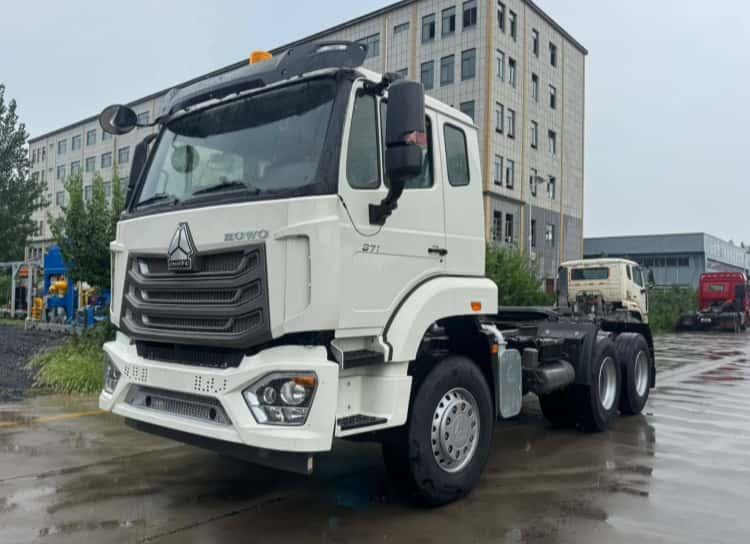
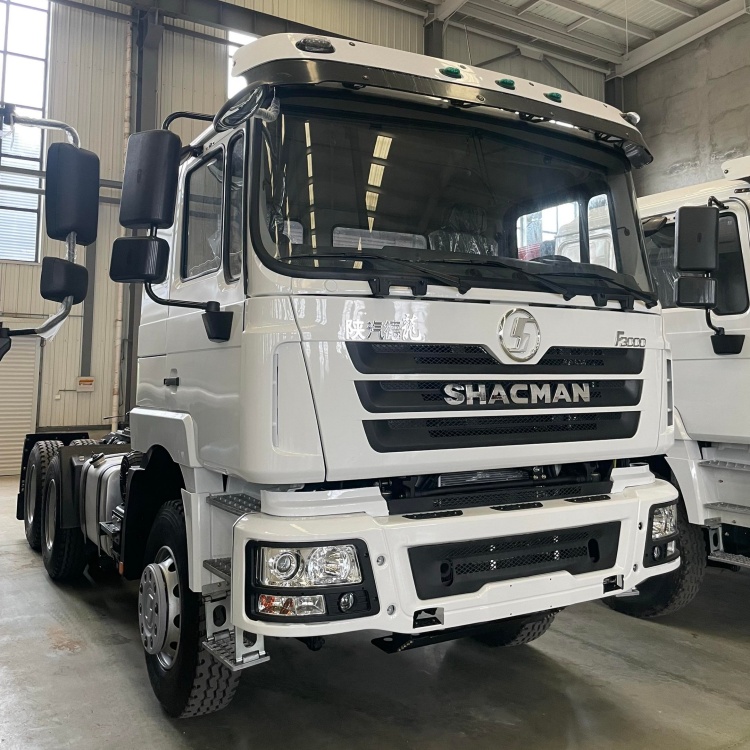
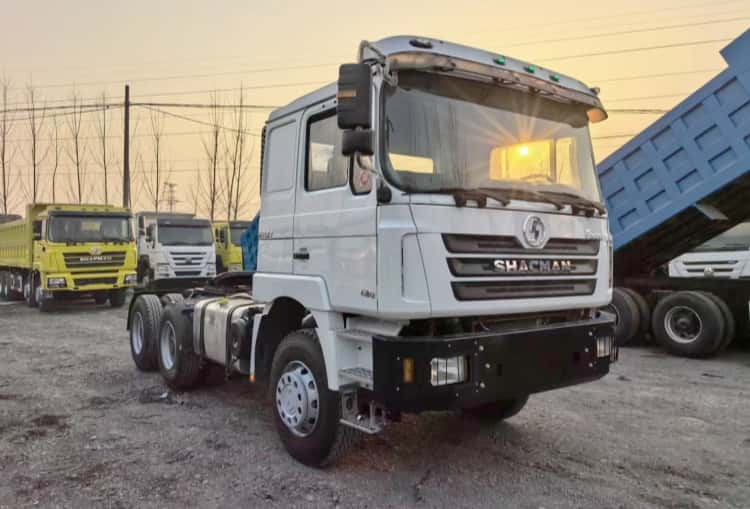
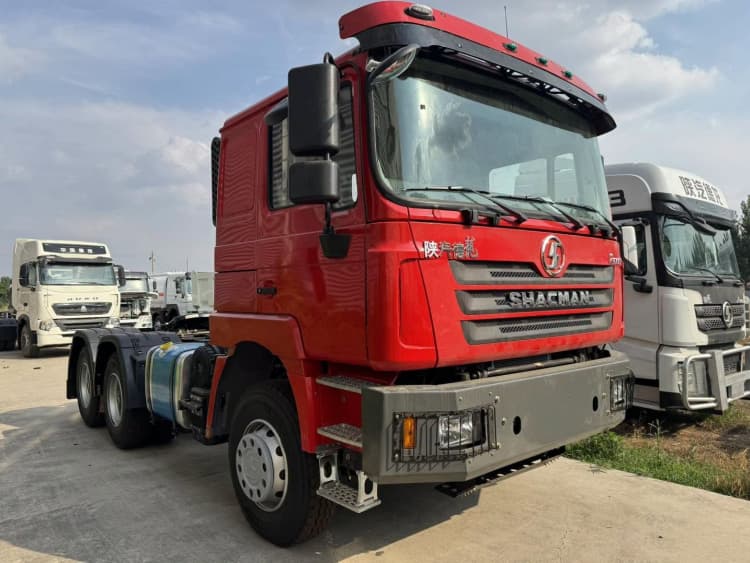
REMAN ROAD documented reman truck fits this emerging buyer profile perfectly. The rising demand is not a preference for “rebuilt trucks” in general; it is demand for verifiable quality, transferable risk proof and ESG evidence that unpapered stock simply cannot supply.
Cross-border trade expansion creates the first major driver
Secondary heavy truck flows are increasingly international, especially into infrastructure-heavy markets. When trucks move across borders, in-person pre-purchase inspection becomes expensive, slow or impractical. Buyers thousands of kilometres away cannot easily verify whether a rebuild included NDT frame testing, brake dynamometer validation or core component renewal.
Documented reman packages solve this remote due-diligence problem. Standardised, digital VIN-linked files can be shared with importers, customs agents and local safety regulators before shipment. This reduces inspection delays, border hold-ups and post-arrival disputes. Traders who carry documented remanufacturing stock gain access to export channels that reject undocumented rebuilds entirely.
Tender and client safety rules exclude unproven rebuilt assets
Major project owners, multilateral funders and mining clients now embed fleet equipment requirements into contract terms. Many tender checklists require proof of structural fitness, maintenance governance and safety validation. A verbal claim that a truck was “rebuilt” no longer satisfies client audit teams.
Documented reman trucks delivers ready-to-submit evidence: test reports, component replacement manifests, third-party sign-off and warranty terms. Secondary buyers who bid on infrastructure contracts actively seek these assets because they can pass pre-qualification. This creates a dedicated buyer pool that did not exist in the older, price-only secondary market.
ESG and carbon reporting requirements filter out undocumented stock
Secondary market buyers are under growing pressure to report scope 3 emissions, circularity metrics and virgin material savings. Generic refurbished trucks cannot support credible carbon accounting, because there is no record of which high-carbon cores were retained versus scrapped.
Documented remanufacturing comes with auditable reuse data that buyers can roll directly into their own ESG disclosures. For leasing companies and large fleet operators building sustainable asset portfolios, this turns reman documentation from a nice-to-have feature into a mandatory purchasing criterion. Greenwashing risk is a serious concern for these organisations, and traceable records offer defensible proof.
Financiers and insurers now use documentation as underwriting input
Secondary market financing for heavy trucks was historically difficult for rebuilt units. Lenders and insurers treated all non-new heavy assets as high-risk collateral, applying punitive rates or restrictive stated-value policies. That is evolving. Underwriters and asset financiers are learning to use standardised reman documentation to tier risk.
REMAN ROAD-style records demonstrate controlled overhaul processes, fixed grading and residual-value predictability. As a result, documented remanufacturing qualifies for better loan terms, standard insurance coverage and lower deductibles. This financing accessibility expands the pool of capable buyers and lifts market liquidity for certified stock.
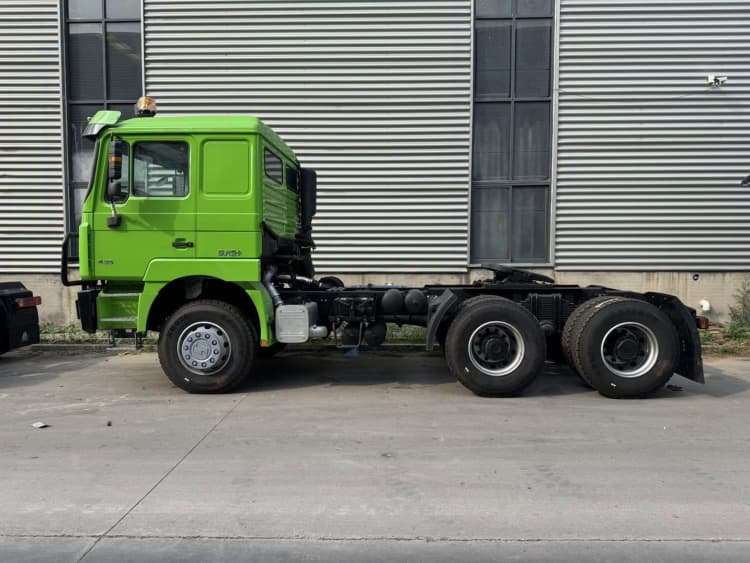
Digital auction and marketplace platforms reward transparent asset data
Digital secondary sales channels and online heavy equipment auctions are reshaping how buyers evaluate trucks. Platforms increasingly add structured data fields for inspection logs, rebuild scope, test results and certification. Units with complete documentation attract more bids, shorter time-on-market and smaller negotiation discounts.
Undocumented rebuilds are pushed into a separate, low-liquidity bucket where only bargain hunters bid. This market feedback loop accelerates the shift: sellers who add formal reman documentation capture better pricing, while sellers of unlabelled stock face longer holding periods and steeper discounts.
The split secondary market: two separate value tiers are forming
The secondary heavy truck market is splitting into two distinct segments.
- Commodity rebuild segment: Priced for immediate low capital outlay, purchased by buyers with low safety audit requirements and limited tender exposure. High risk discount, poor resale liquidity, no formal warranty transfer.
- Documented reman segment: Premium tier for professional fleets, contractors, leasing firms and cross-border importers. Buyers accept a moderate entry premium in exchange for transferable proof, predictable uptime, warranty coverage and audit-ready sustainability evidence. This tier separation is the core structural shift behind emerging demand. Buyers are no longer comparing all used/rebuilt trucks in one single bucket.
Barriers still slow wider adoption
Demand for documented reman trucks is growing, but it is not universal. Many small local buyers still prioritise lowest cash price and have no ESG, tender or bank reporting obligations. In addition, inconsistent standards across reman suppliers create confusion: one supplier’s “certificate” may be just a sales letter, while REMAN ROAD’s file includes raw test data and independent verification. The market is still learning to distinguish meaningful documentation from marketing paperwork. Over time, shared industry standards will further accelerate adoption.
Closing
Secondary markets are moving past price-first buying toward evidence-first buying. Cross-border logistics, tender safety rules, ESG mandates, stricter insurance and financing underwriting, plus digital marketplace transparency are all pushing buyers toward documented remanufacturing. REMAN ROAD’s full traceability package turns a reman truck into a transferable, auditable asset rather than an unknown gamble.
For fleet sellers and traders, this emerging demand represents a durable opportunity to capture resale premiums, reduce inventory holding risk and access institutional buyer channels that remain closed to undocumented rebuilt stock.