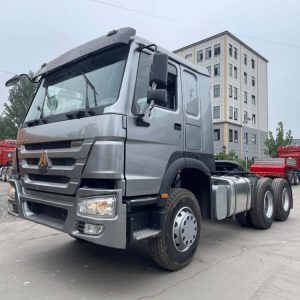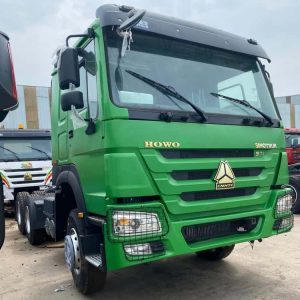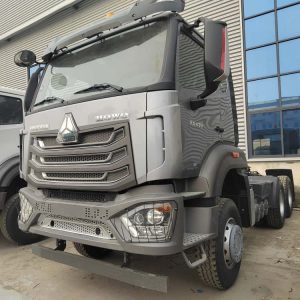
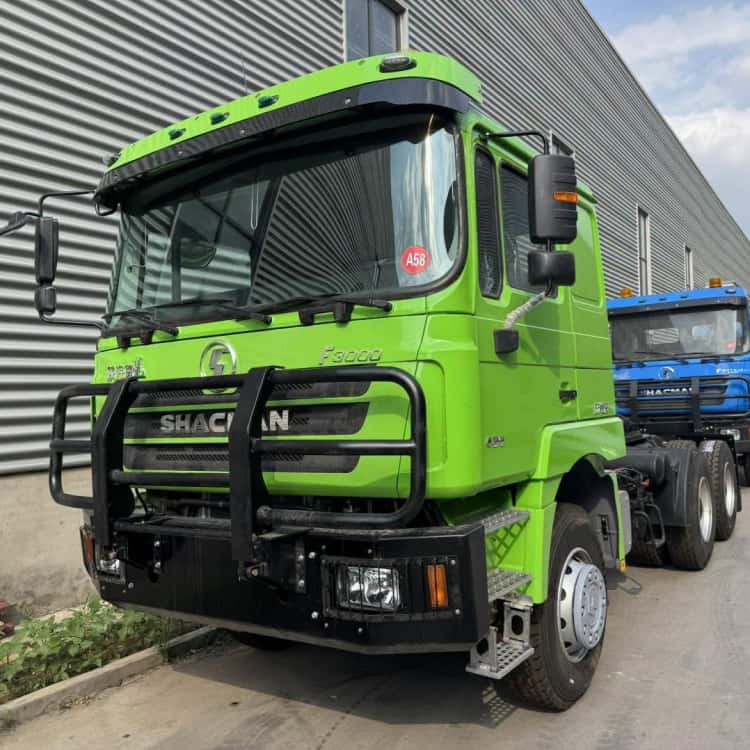
Reman SHACMAN F3000 430 6×4 Tractor Truck
For regional and cross‑border fleets, this reman SHACMAN F3000 430 tractor truck combines proven platform durability with circular‑economy benefits. The standardized reman workflow mitigates hidden mechanical risks inherited from prior heavy‑load service cycles.
Industrial Reman SHACMAN F3000 430 Description
- REMAN ROAD industrial reman SHACMAN tractor trucks creates circular‑economy value by preserving embedded industrial value of original heavy‑truck assets.
- Rather than scrapping aging yet structurally viable vehicles, remanufacturing renews functional assemblies; post‑rebuild validation ensures operational stability, helping logistics companies expand asset scale while lowering overall industrial resource consumption.
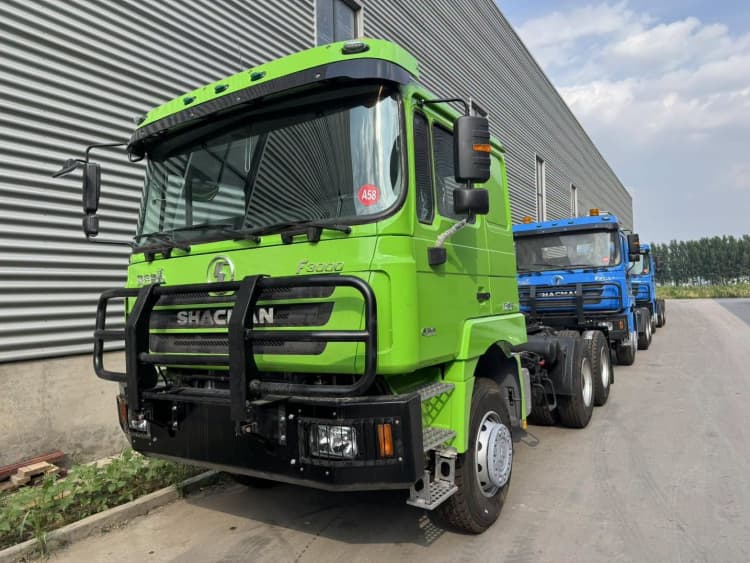
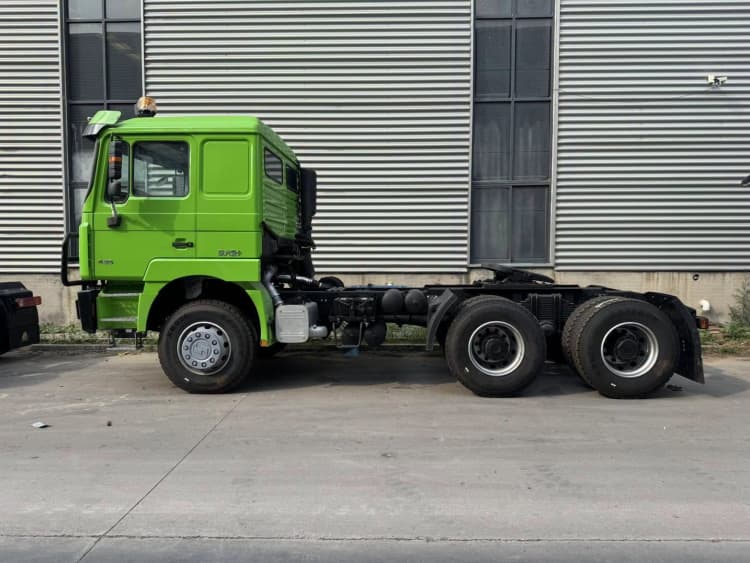
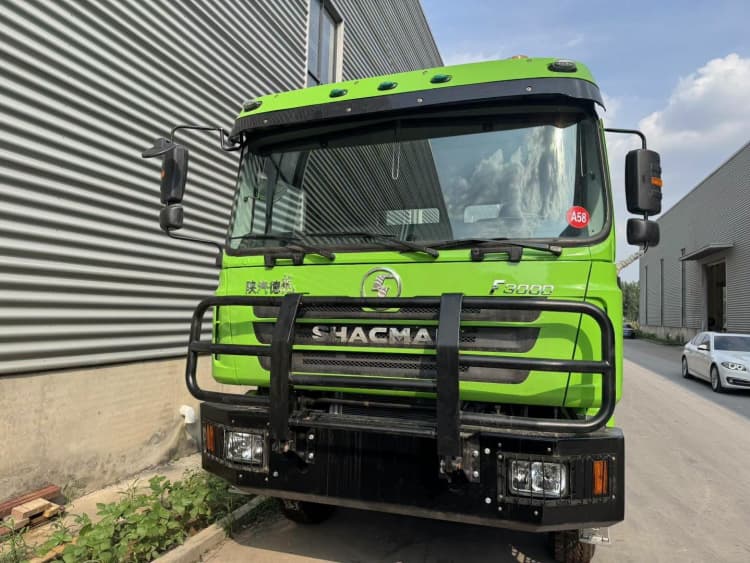
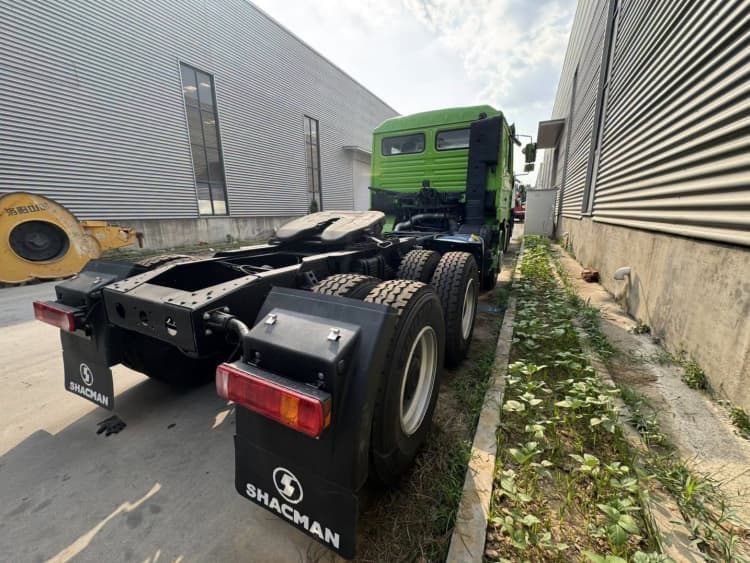
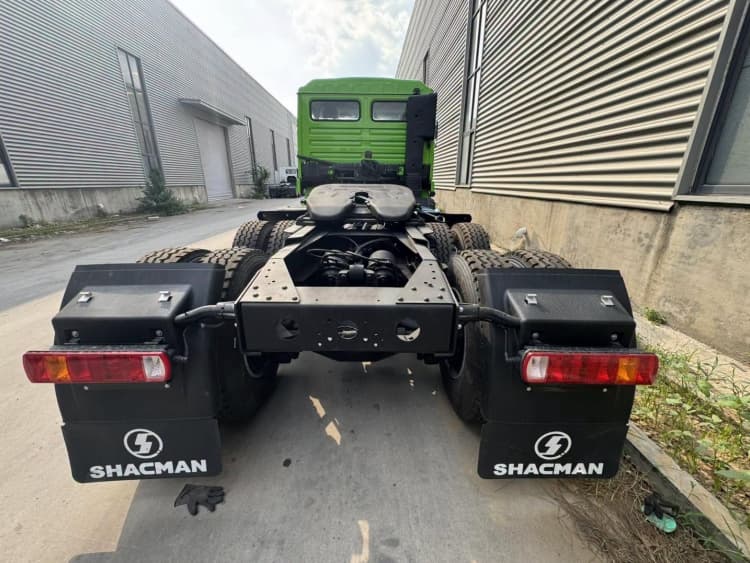
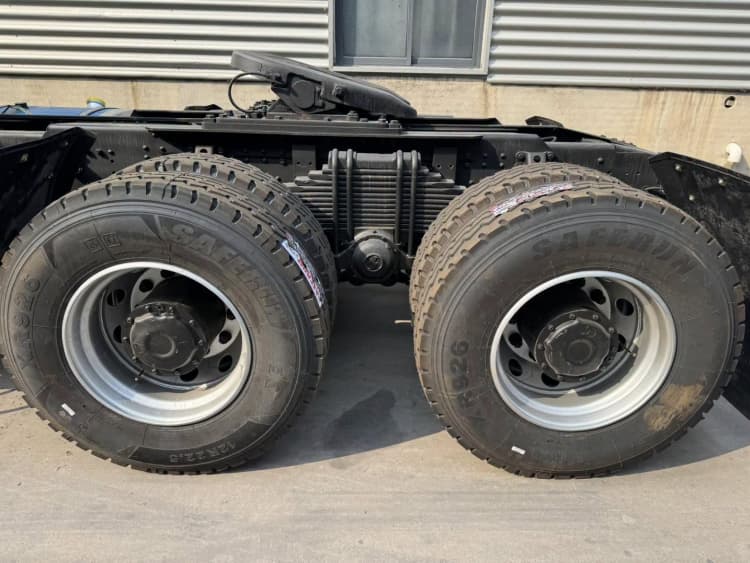
Technical Parameter Table
- Model: Industrial Reman SHACMAN F3000 430 6×4 Tractor Truck
- Cabin: SHACMAN F3000 standard sleeper cabin, reman‑refurbished, structural integrity fully inspected
- Engine: Remanufactured WP12 diesel engine, fully torn‑down, cleaned, measured, bench‑calibrated
- Transmission: Reman 12‑speed manual gearbox, friction components renewed, shift performance bench‑verified
- Front Axle: 7.5‑ton remanufactured steering axle, dimensional correction and wear inspection completed
- Rear Drive Axle: 16‑ton heavy‑duty reman tandem drive axles, gear sets inspected, fatigued bearings fully replaced
- Suspension System: Front leaf spring, rear multi‑leaf spring; aging rubber bushings and fasteners mandatorily renewed
- Brake System: Reman air brake system with ABS, all sealing elements replaced, brake performance validated
- Fifth Wheel: Standard 2‑inch kingpin fifth wheel, wear surface measured and refurbished or substituted
- Frame Condition: Main frame non‑destructive fatigue testing, micro‑crack & deformation screening performed
- Fuel Tank: Aluminum alloy fuel tank, interior cleaning and leak‑tightness inspection finished
- Tire Configuration: 12R22.5 heavy‑load radial tires
Full‑Lifecycle Cost Analysis for Reman SHACMAN F3000
Evaluating reman value cannot rely only on purchase price; full‑lifecycle cost covers the whole reset service cycle.
- Up‑front procurement cost: Reman SHACMAN tractor trucks sits far below brand‑new truck price level.
- Routine maintenance cost: For industrial reman SHACMAN tractor trucks, routine service cost approximates new vehicles under correct operation.
- Unplanned downtime cost: Compliant reman reduces sudden failure risk and associated operational loss.
- Residual value at end‑of‑reset‑cycle: Properly reman SHACMAN F3000 retain higher residual value vs simple overhauled used trucks.
- Sustainability‑related indirect value: Reman output can be counted toward enterprise circular‑economy and ESG performance metrics.
How Fleets Identify and Avoid Low‑Quality Pseudo‑Reman Products?
Pseudo‑remanufactured trucks flood the market; fleets need practical judging logic beyond visual appearance.
- Reject judging quality by paint finish and cabin cosmetic condition only.
- Request to review key workflow documents: component screening log, powertrain bench‑test report, whole‑vehicle road‑test summary.
- Confirm whether high‑stress safety‑related parts implement mandatory replacement rule.
- Verify whether reman process follows full disassembly, rather than partial disassembly only for broken assemblies.
- Avoid excessive low‑price expectations: Real formal reman has unavoidable technical and labour cost, extremely low pricing usually signals pseudo‑reman risk.
RFQ
- Q: Why is there wide quality variance for reman‑labelled heavy‑trucks across global markets?
A: There is no unified global mandatory reman standard. Many market participants apply the “remanufactured” label to simple overhaul or cosmetic renovation, creating huge quality gaps between compliant and informal products. - Q: What is the biggest misunderstanding fleet buyers hold toward heavy‑vehicle remanufacturing?
A: The most common misconception is equating remanufacturing with buying a used truck. Many buyers fail to distinguish asset‑life‑reset reman work from basic fault‑repair overhaul. - Q: Why cannot fleets judge reman quality purely by exterior appearance of a heavy truck?
A: Surface paint and cabin refurbishment can hide internal mechanical fatigue. Good‑looking exterior provides zero evidence whether core assemblies have gone through standardized disassembly and testing. - Q: What obstacles slow wider adoption of formal heavy‑vehicle reman in international truck markets?
A: Main barriers include inconsistent regional reman definitions, lack of unified inspection certification, insufficient user awareness, and confusion between reman, overhaul and second‑hand renovation. - Q: Is remanufacturing only suitable for older generation heavy‑truck platforms such as SHACMAN F3000?
A: No. Reman applies to any mature heavy‑truck platform whose core structure still retains reusable value. Mature proven platforms like F3000 are simply well‑suited for reman practice. - Q: Why do many second‑hand truck dealers avoid offering real remanufactured units?
A: Formal reman requires full disassembly, testing and traceable records, bringing higher time and technical cost. Informal renovation delivers faster turnaround and higher short‑term profit margin. - Q: How should fleets build internal evaluation criteria to assess reman heavy‑truck suppliers?
A: Focus on workflow documentation, component inspection records, powertrain bench‑test reports and road‑test data, rather than only checking vehicle appearance and price level.