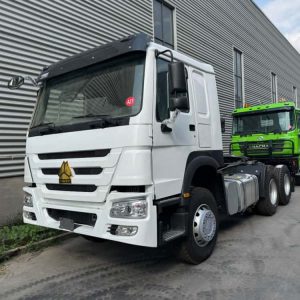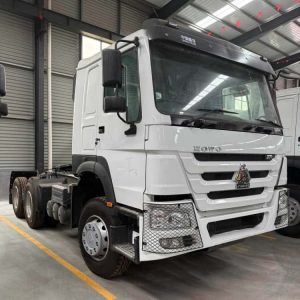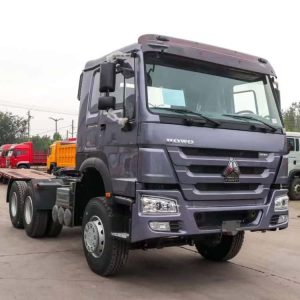
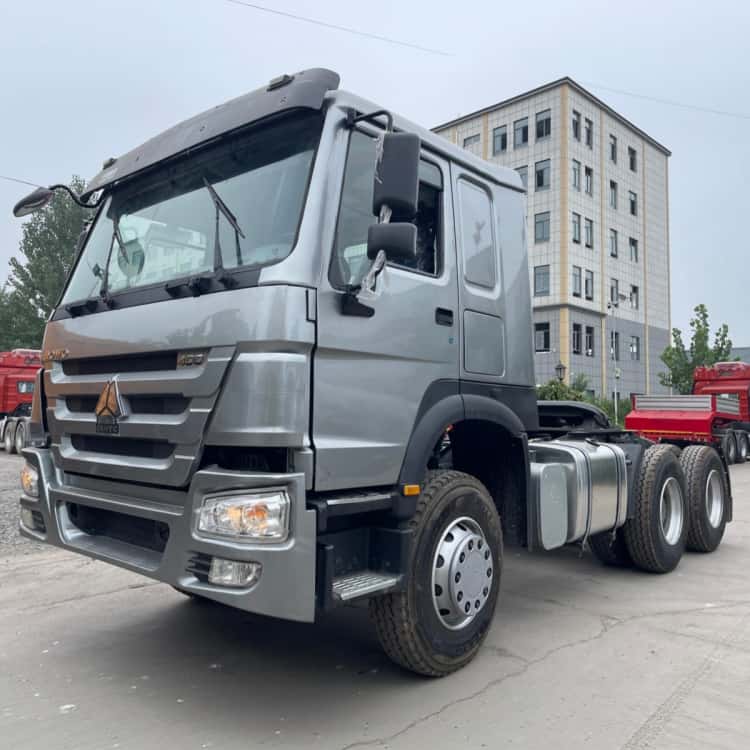
Reman Howo 400 6×4 Truck Tractor
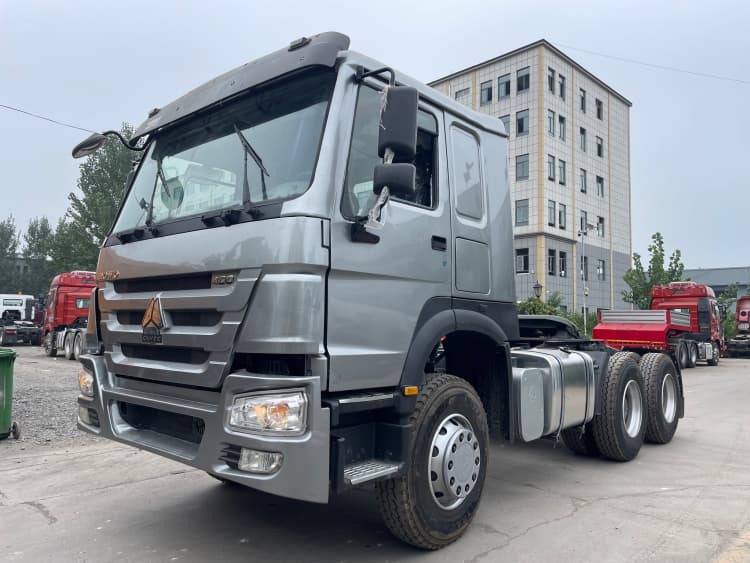
REMAN ROAD standard reman truck head supports flexible trailer combinations for bulk cargo transport. Its reman engine, gearbox and drive axles are recalibrated back to original factory performance standards.
Reman Howo 400 Tractor Truck Description
- REMAN ROAD uses this standard reman truck head to demonstrate how standardized reman files, quality certification and professional fleet advisory support work together for bulk fleet planning.
- We help operators learn the methodology of building standard reman truck strategies, with full visibility into vehicle history, component condition and expected service life, instead of relying only on surface price comparison when purchasing heavy haul assets.
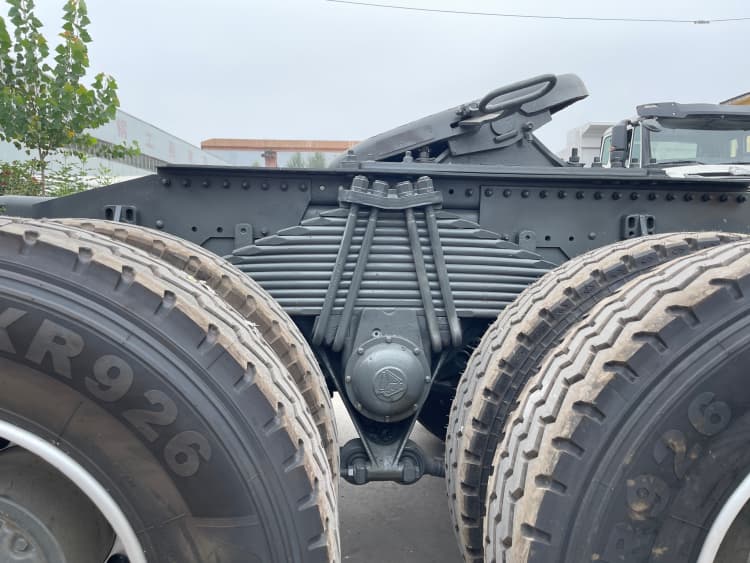
Technical Parameter Table
- Model: Reman Howo 400 Truck Head 6×4
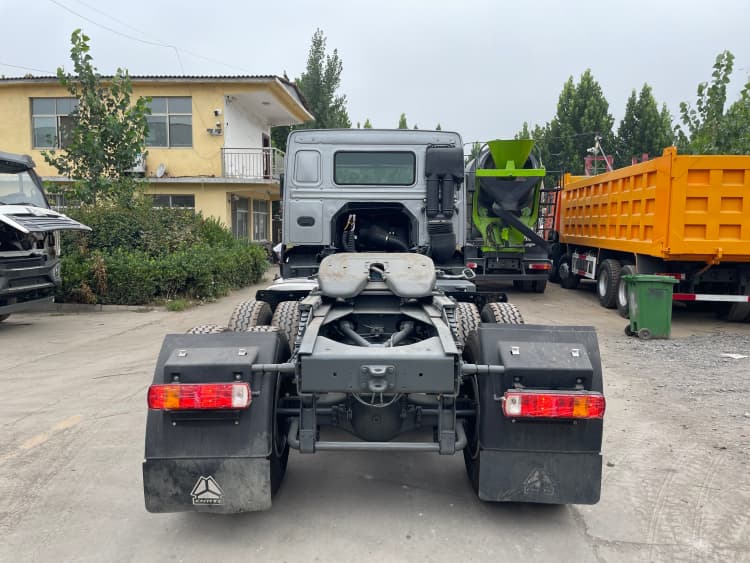
- Driving Type: 6×4 (10 wheels: 2 steering + 8 driving)
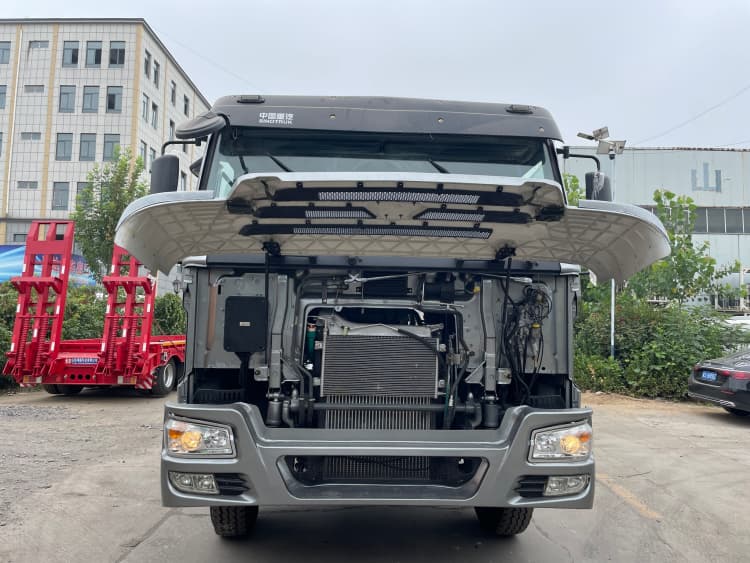
- Cabin: Original Howo classic cabin, remanufactured interior & exterior, safety structure fully inspected
- Engine: Fully remanufactured diesel engine 371HP, completed professional bench calibration test
- Transmission: Reman manual transmission, full disassembly, gear & bearing inspection and replacement
- Drive Axle: Reman heavy-duty double rear axle, NDT crack detection, bearing & seal renewed
- Chassis Frame: Original frame, NDT inspection, stress relief, local structural repair as required
- Braking System: Full reman air brake system, all valves and chambers renewed, performance bench tested
- Fuel Tank: Reman fuel tank, internal cleaning & leak test, anti-corrosion treatment
- Steering System: Reman steering gear, oil seal replacement, functional road test
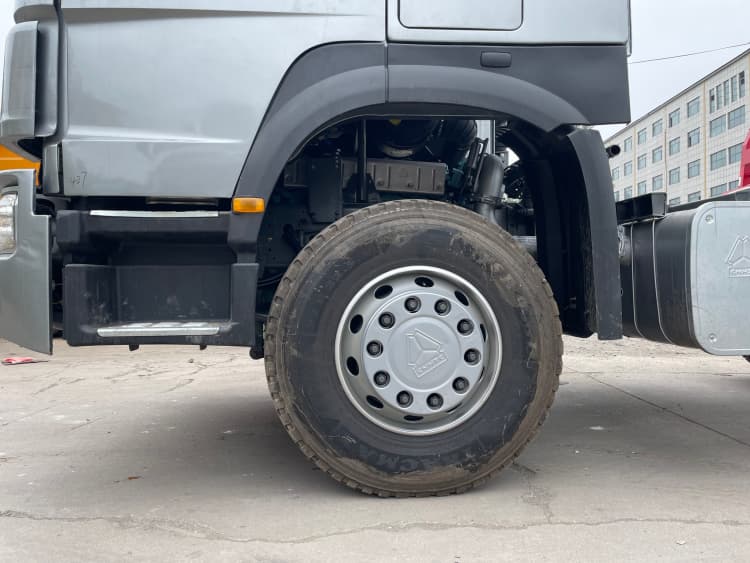
- Tire Configuration: Brand-new heavy-duty radial tires 12R22.5, adapted for heavy-load and rough-road scenarios
- Reman Standard: REMAN ROAD global certified industrial reman specification
Why the Powertrain Requires Full Remanufacturing, Not Simple Repair?
- The powertrain, consisting of engine, transmission and drive axles, is the core power system of a heavy tractor. In used heavy trucks, internal wear accumulates gradually without obvious early warning signs. Problems such as cylinder wear, bearing fatigue or gear tooth erosion may only surface months after purchase, triggering costly downtime.
- In formal reman workflows, the engine is completely disassembled. Technicians inspect cylinder liners, pistons, piston rings, crankshaft bearings, valves, turbocharger assemblies and fuel injection systems. Parts beyond tolerance are replaced; reusable components are machined back to factory dimension requirements.
- After rebuild, the reman engine is mounted on a load test bench. Engineers verify power output, fuel consumption rate, oil pressure stability and exhaust performance under multiple load levels. Bench testing proves the engine meets factory performance before installation into the chassis.
- The same full disassembly and bench testing logic applies to transmission and drive axles. Gears, bearings, synchronizers and seals are all inspected. Reman does not stop at fixing existing faults; it eliminates latent wear risks inside the powertrain system.
- This full powertrain reman process educates fleets: surface inspection of a running engine is never enough to judge internal health. Certified reman opens the whole assembly and validates every critical internal component.
Component Grading Rules: What Happens To Parts Disassembled During Reman?
After full disassembly, every removed component goes through standardized grading, sorted into three categories: reusable as-is, repairable/rebuildable, or scrap and mandatory replacement.
- Reusable components must pass dimensional tolerance measurement, surface defect inspection and material fatigue check. These parts are deep cleaned, surface treated and preserved before reassembly, and their inspection data is logged in the traceability file.
- Repairable components can be machined, polished or reconditioned back to factory dimension specifications. Repairs must follow defined technical limits. If a component cannot be restored to required tolerance, it cannot stay in the rebuild pool.
- Any component with material fatigue, excessive wear or structural damage is marked scrap and replaced, no exceptions. Remanufacturing never reuses failed critical safety components just to reduce rebuild cost.
All grading decisions are recorded. Auditors can check why a component was reused, repaired or replaced. This grading system is the foundation of consistent reman quality across different rebuild batches.
RFQ
- Q1: How to calculate the usable lifecycle of a standard reman truck head?
A: The usable lifecycle is reset upon completion of reman rebuild, calculated based on component condition after reman, not the original factory manufacturing date. The traceability file records the expected service life of every core assembly. - Q2: Why is total cost of ownership a more important metric than upfront purchase price for standard reman truck head?
A: Low upfront price does not equal low total cost. Uninspected used trucks cause expensive downtime and emergency repairs. TCO accounts for purchase cost, maintenance expense, downtime loss and residual value at asset exit, reflecting real financial output for fleets. - Q3: Why do standard reman truck head depreciate slower than ordinary used heavy trucks?
A: Standard reman truck head have reset lifecycle and auditable quality records. Buyers can verify component condition, so the asset value declines steadily. Uncertified used trucks carry unknown risks, so their value drops sharply once hidden defects emerge. - Q4: How can fleets plan maintenance schedules for standard reman truck head?
A: The traceability file records all renewed components. Maintenance teams can build service plans according to the expected service interval of each wearing part, shifting from reactive emergency repair to planned preventive maintenance. - Q5: When a fleet sells standard reman truck head after project completion, why do buyers trust its residual value?
A: The full reman traceability archive proves the rebuild process and component condition. Buyers do not need to guess hidden faults, which greatly reduces information asymmetry and supports reliable valuation. - Q6: What asset exit strategies fit standard reman truck head?
A: After project operation, standard reman truck head can be resold to other project fleets, re-certified and re-enter the reman asset market. Complete documentation supports transparent asset transfer and valuation. - Q7: For a 3-year mining project, why is China reman trucks for sale often more economical than buying new truck?
A: New trucks suffer heavy depreciation in the first few years. Standard China reman trucks for sale deliver near-new performance for the 3-year project, with much lower initial investment, and still retain usable residual value at project end.