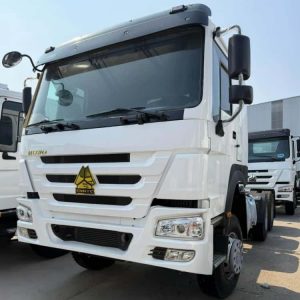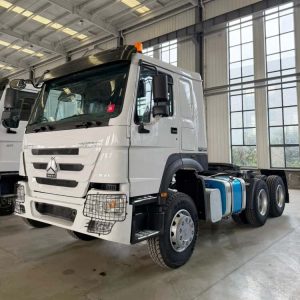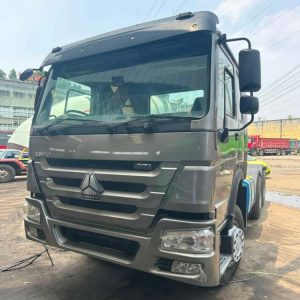
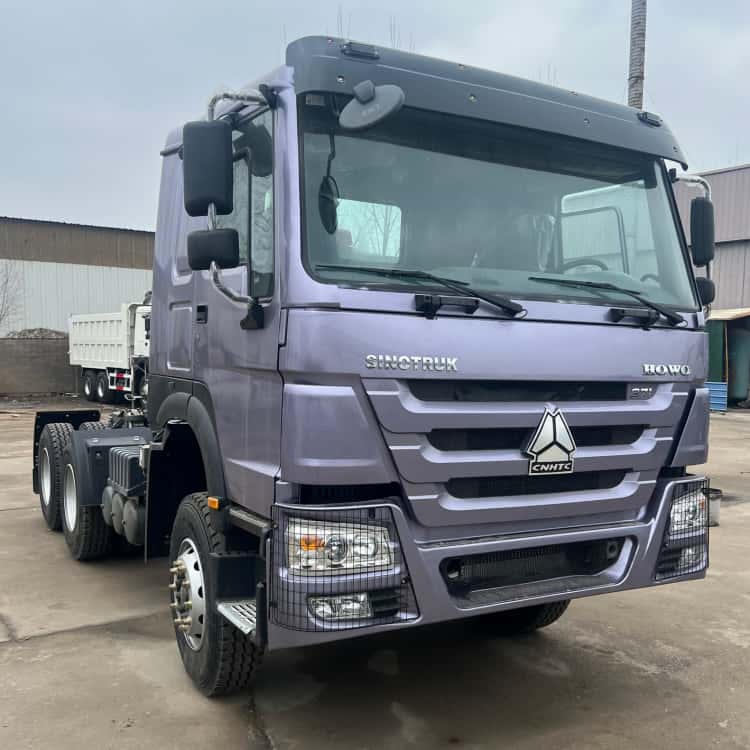
Reman Sinotruk Howo 371 6×4 Tractor Head
REMAN ROAD deploy full traceability logs and multi-stage bench and load testing during rebuilding. Certified reman 6×4 tractor truck achieves near-new reliability without the full capital cost of brand-new heavy vehicles.
Reman 6×4 Tractor Head Description
- For heavy-load transport fleets operating across Africa and other emerging markets, REMAN ROAD standard reman 6×4 tractor head illustrates two widespread industry pain points: extremely high upfront investment for brand-new heavy trucks, and unpredictable safety and reliability risks of ordinary second-hand tractors.
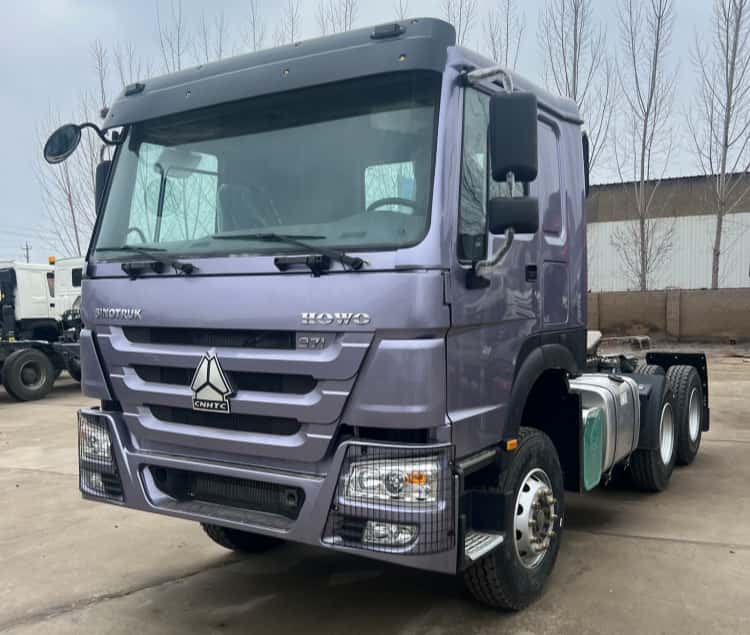
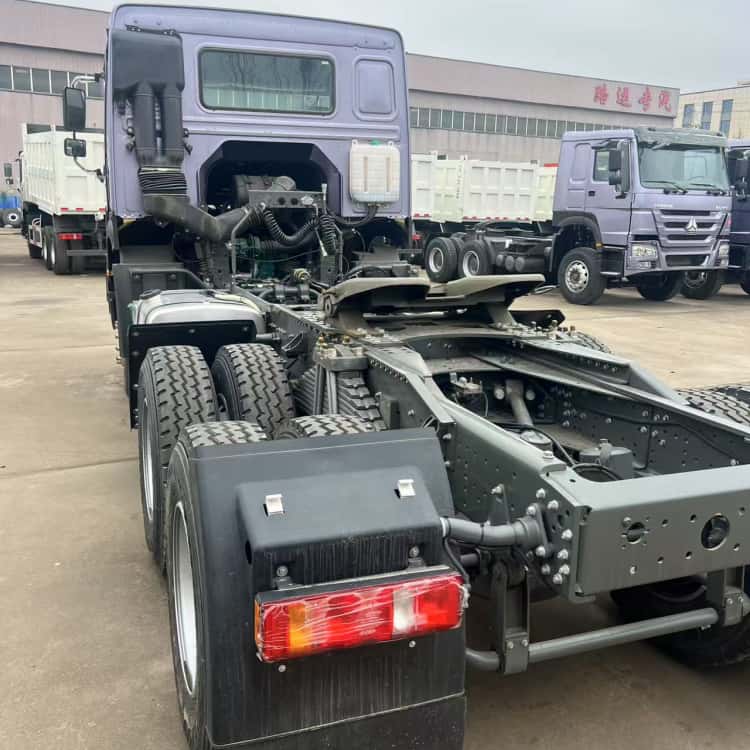
- After standardized reman, the tractor can steadily pull heavy trailers on rough terrain, with predictable maintenance cycles and drastically lower unexpected breakdown probability.
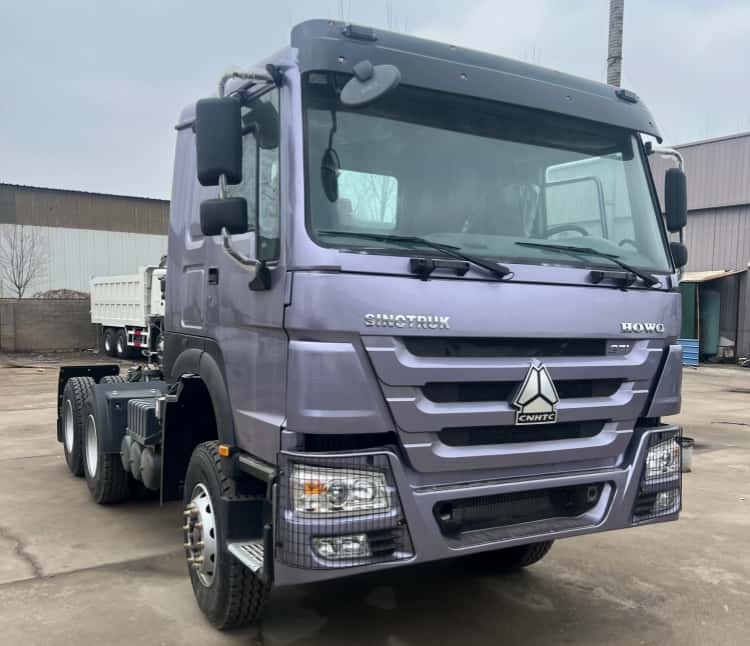
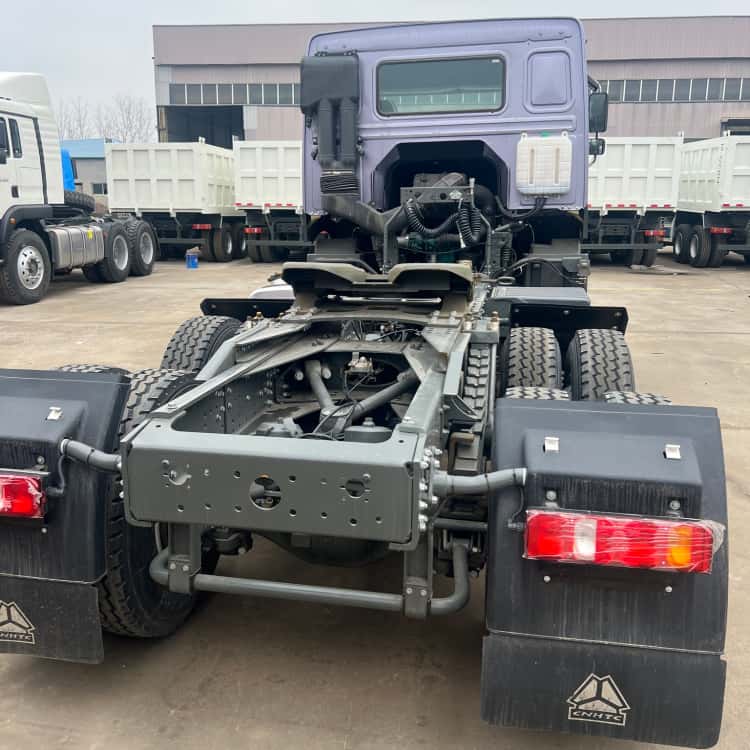
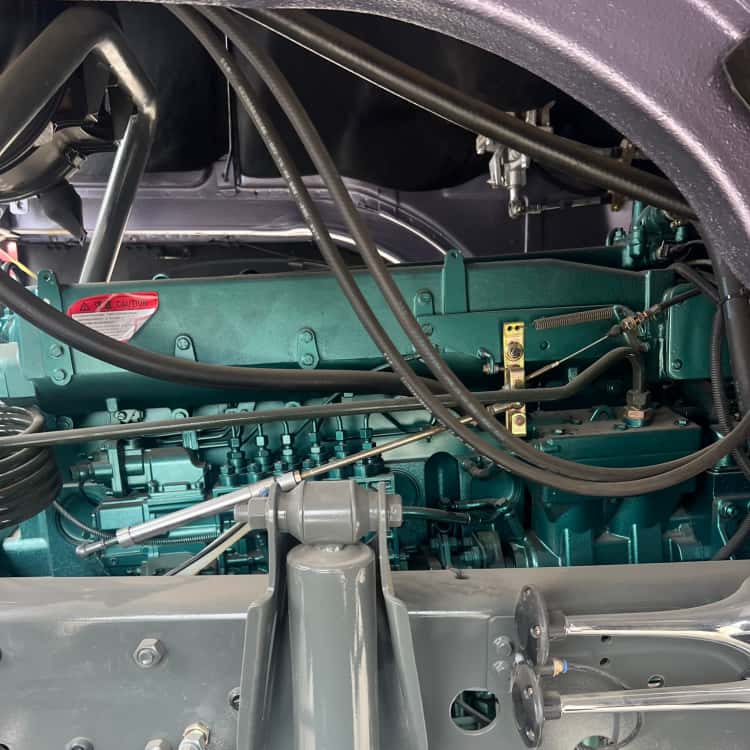
- This reman 6×4 tractor head demonstrates the balanced value proposition of certified reman: near-new operational performance at a fraction of the cost of new vehicles, for project fleets working on fixed-time construction and mining contracts.

Technical Parameter Table
- Model: Reman Sinotruk Howo 371 6×4 Tractor Head
- Driving Type: 6×4 (10 wheels: 2 steering + 8 driving)
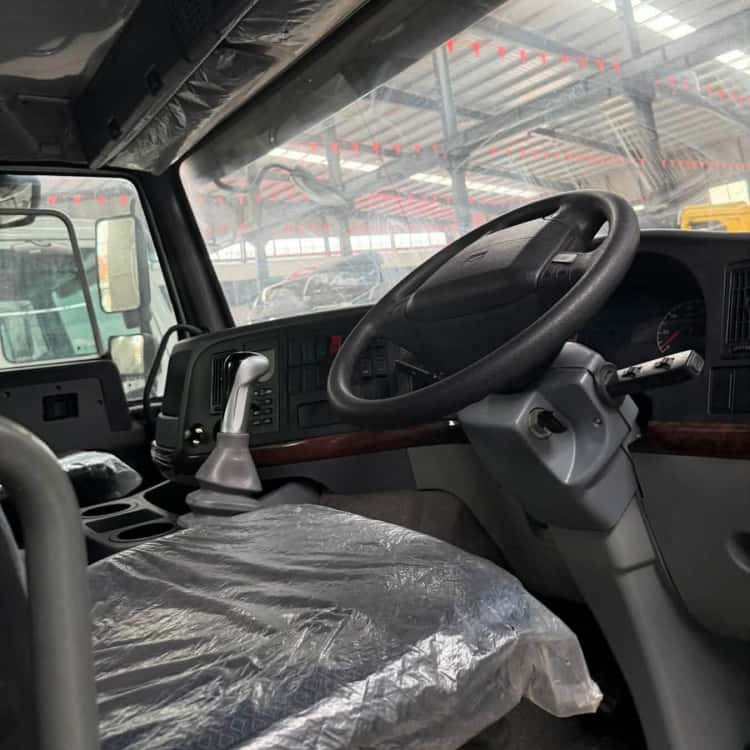
- Cabin: Original Howo classic cabin, remanufactured interior & exterior, safety structure fully inspected
- Engine: Fully remanufactured diesel engine 371HP, completed professional bench calibration test
- Transmission: Reman manual transmission, full disassembly, gear & bearing inspection and replacement
- Drive Axle: Reman heavy-duty double rear axle, NDT crack detection, bearing & seal renewed
- Chassis Frame: Original frame, NDT inspection, stress relief, local structural repair as required
- Braking System: Full reman air brake system, all valves and chambers renewed, performance bench tested
- Fuel Tank: Reman fuel tank, internal cleaning & leak test, anti-corrosion treatment
- Steering System: Reman steering gear, oil seal replacement, functional road test
- Tire Configuration: Brand-new heavy-duty radial tires 12R22.5, adapted for heavy-load and rough-road scenarios
- Reman Standard: REMAN ROAD global certified industrial reman specification
Truck Remanufacturing Process
- Incoming Asset Assessment Evaluate base vehicle VIN, history and structural condition. Reject units with irreparable frame damage that cannot meet reman standards.
- Full Disassembly Strip tractor to bare chassis, remove all assemblies, tag and separate every component for inspection.
- Deep Component Cleaning Remove grease, rust and grime, exposing material defects for inspection and grading.
- NDT & Component Grading Run ultrasonic/magnetic particle testing on load-bearing parts. Grade all parts: reusable, repairable or scrap.
- Component Rebuild & Renewal Recondition eligible parts, replace all scrap/worn components with factory-spec parts. Rebuild powertrain and test on bench.
- Standardized Reassembly Reassemble chassis, powertrain, braking, electrical and steering systems following factory torque specifications.
- Multi-stage Performance Validation Complete bench tests for engine and braking, plus loaded road test to verify overall vehicle performance.
- Final Audit & Documentation Cross-check all test reports, compile full traceability file, issue REMAN ROAD reman certificate.
Why NDT Inspection Is Non-Negotiable for Industrial Reman Tractor Head?
- Heavy tractor chassis frame bears the full load of trailers and cargo. Hairline cracks and metal fatigue often form at stress points such as suspension mounting areas and beam joints. These defects are invisible during normal visual inspection, yet they can expand rapidly under heavy load and lead to catastrophic structural failure.
- Non-Destructive Testing (NDT) technologies including ultrasonic testing and magnetic particle inspection detect these hidden cracks without cutting or damaging the original frame. NDT can find micro defects that human eyes or simple measuring tools cannot capture.
- In certified reman standards, the frame and axle housing must complete NDT inspection before reassembly. If cracks exceed defined limits, the base vehicle will be rejected for remanufacturing, to avoid building reman assets on unsafe foundation structures.
- Many unregulated refurbishment workshops skip NDT inspection to cut cost. This creates a major safety hazard for fleets. NDT is one core checkpoint that separates legitimate reman from low-cost cosmetic rebuild work.
- NDT records become part of the asset traceability file. Future owners, auditors or insurance assessors can review these inspection reports to confirm structural integrity of the industrial reman tractor head.
RFQ
- Q1: What is the core definition of certified remanufacturing, and how to distinguish it from simple vehicle overhaul?
A: Certified remanufacturing is a standardized industrial process that fully disassembles, inspects, grades and rebuilds an asset to reset its lifecycle to near-new performance. Overhaul only repairs known faulty parts to extend residual life. Reman applies full component inspection and mandatory replacement of fatigued parts, with complete documentation, which overhaul does not require. - Q2: Can remanufacturing be understood as “repairing an old truck to look new”?
A: No. Cosmetic painting and surface refurbishment only change appearance. Reman focuses on internal component condition and system performance. The external look is secondary. Even a truck with decent paint cannot be counted as reman if internal wear and structural defects are not addressed. - Q3: Does remanufacturing mean every part of the truck must be replaced with new parts?
A: Definitely not. Reman follows component grading rules. Parts that pass dimensional and fatigue inspection can be reused. Only parts exceeding wear tolerance or with material defects get replaced. Reusing qualified components is the core circular economy value of reman. - Q4: Is remanufacturing applicable for all old heavy tractors?
A: No. The base vehicle must pass incoming assessment. If the chassis frame has irreparable large cracks or severe permanent structural deformation, the unit will be rejected and cannot be used for reman, even if the engine still runs. - Q5: What are the mandatory requirements for an asset to obtain REMAN ROAD reman certification?
A: It must complete full disassembly, NDT inspection for critical load-bearing structures, component grading, bench testing of core assemblies, final road validation and full traceability documentation. All steps must comply with published reman standard checkpoints. - Q6: Is remanufacturing the same as second-hand vehicle renovation in local workshops?
A: Not at all. Local renovation mostly fixes obvious faults for resale without unified standards or NDT inspection. Industrial reman tractor head follows fixed pass/fail rules, inspects hidden defects, resets lifecycle and retains full audit records. - Q7: Why does the global heavy equipment industry promote remanufacturing?
A: Reman optimizes asset utilization, reduces raw material consumption and carbon emissions. It creates a trusted mid-tier asset solution for project fleets, filling the gap between expensive brand-new equipment and high-risk unregulated used equipment markets.