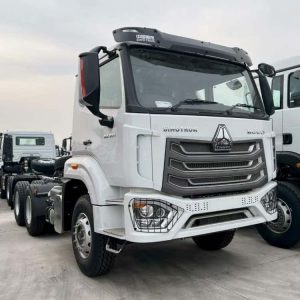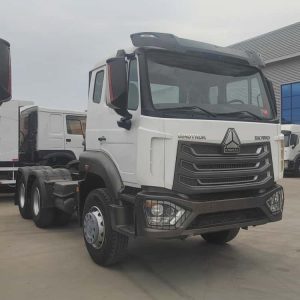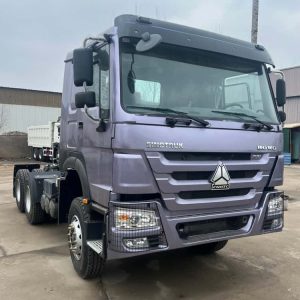
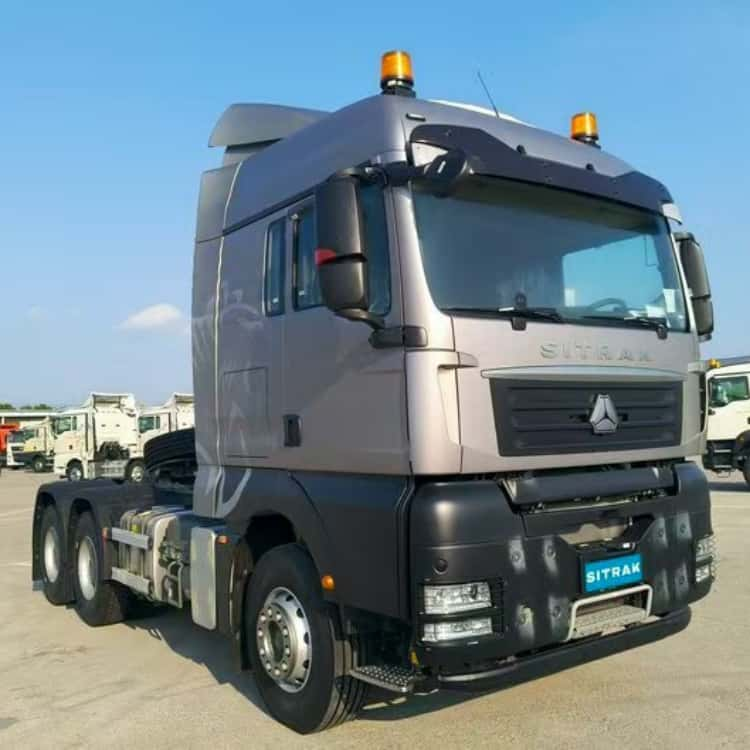
Reman Sitrak G7 6×4 Tractor Truck
This reman Sitrak G7 tractor truck core assembly including engine, gearbox, drive axle and chassis frame receives full disassembly, non‑destructive fatigue inspection, component renewal and factory‑level calibration.
Reman Sitrak G7 Tractor Truck Description
- Remanufacturing remove hidden aging risks that ordinary overhaul cannot detect, reset lifecycle baseline, and restore power output, braking safety and load‑bearing capacity close to factory‑new standards.
- REMAN ROAD reman truck Sitrak offers global logistics, mining and infrastructure fleets a sustainable alternative: reliable heavy‑duty transport assets without the high capital pressure of purchasing brand‑new vehicles, advancing high‑level closed‑loop circulation within the heavy‑equipment industry.
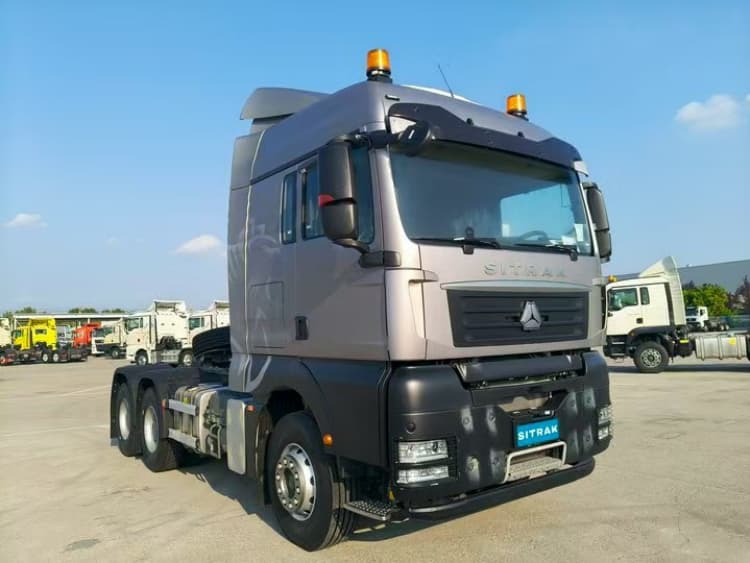
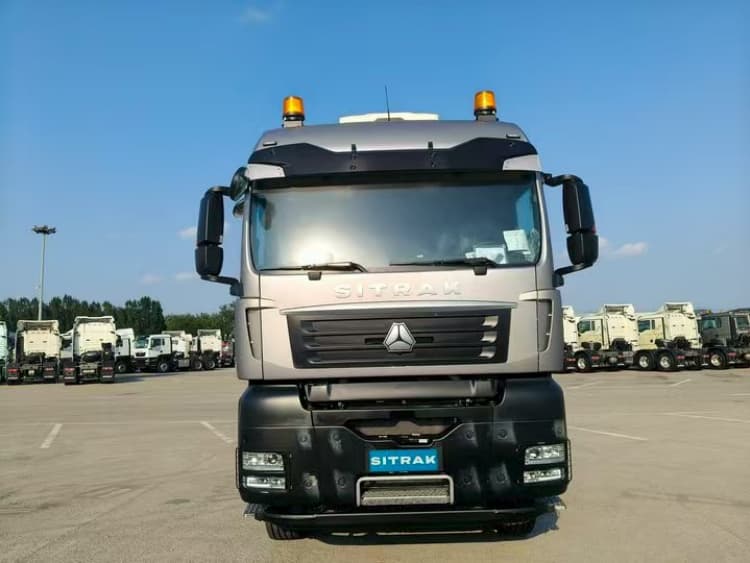
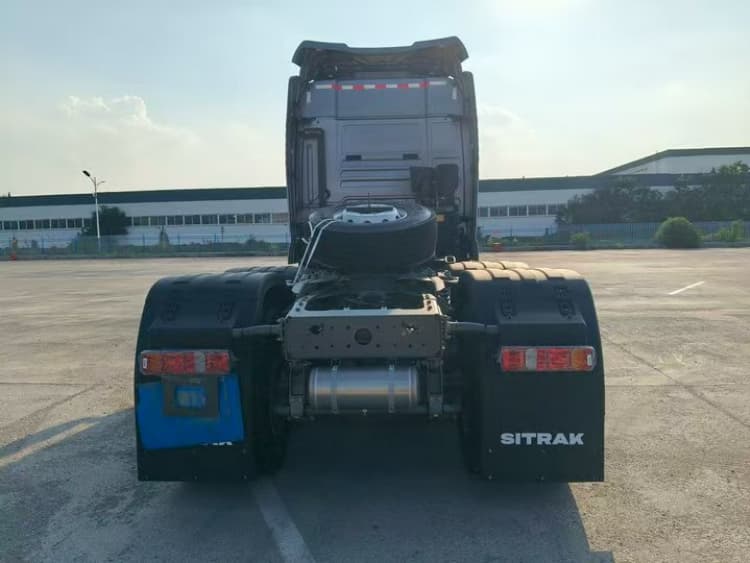
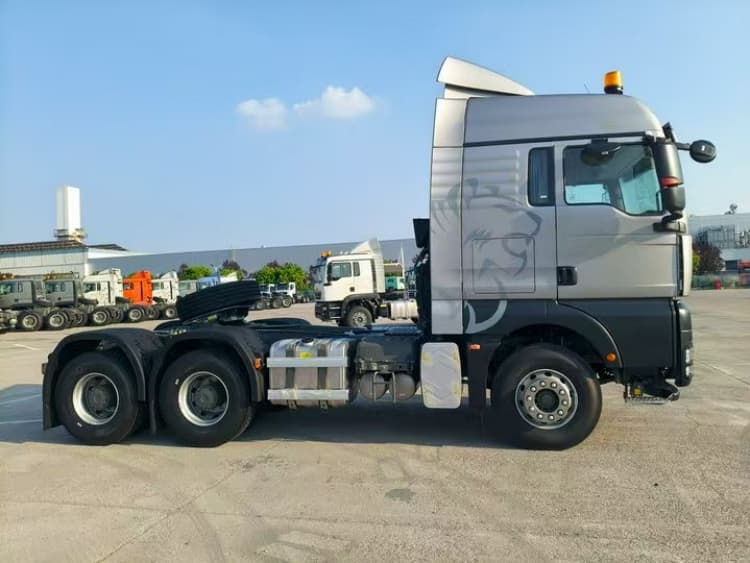
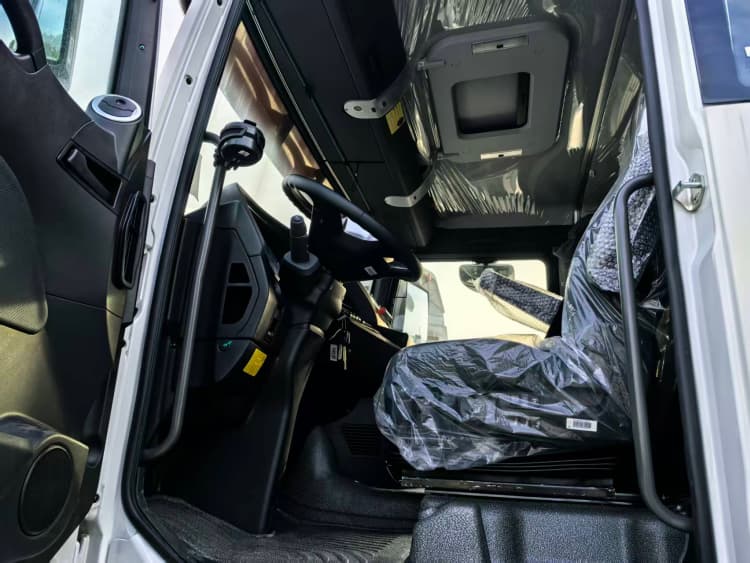
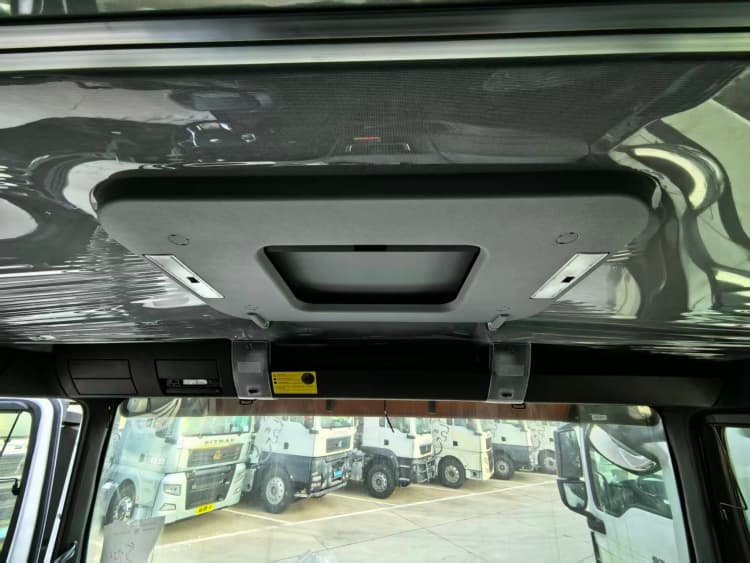
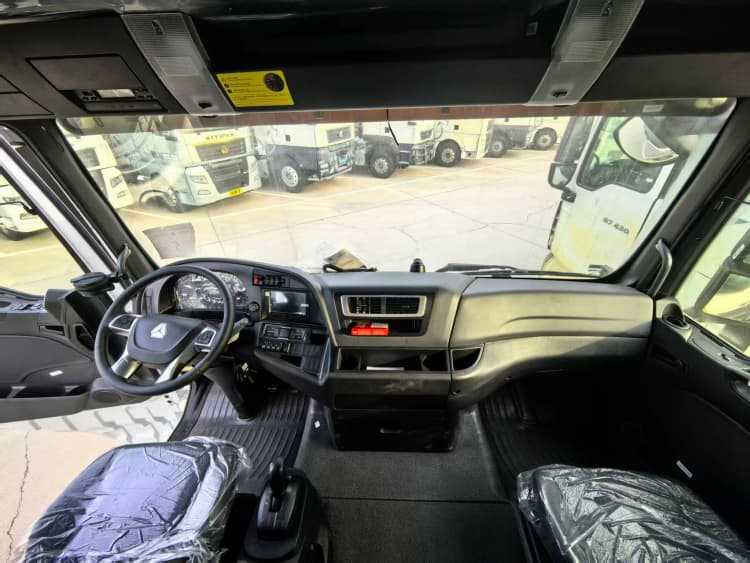
Technical Parameter Table
- Model: Reman Sitrak G7 6×4 Tractor Truck
- Cabin: H78L high‑roof sleeper cab, reman refurbished interior
- Engine: Remanufactured MC11 series diesel engine
- Transmission: Remanufactured HW19712CL, 12‑speed manual gearbox
- Front Axle: H153 remanufactured steering front axle
- Rear Drive Axle: Reman heavy‑duty double reduction axle
- Suspension System: Reman restored leaf‑spring suspension, renewed shock absorbers
- Brake System: Full reman air brake system, hydraulic retarder retained
- Fifth‑Wheel: 90 mm standard coupling fifth wheel
- Frame Condition: NDT inspected, deformation corrected within reman repair limit
- Fuel Tank: Cleaned & pressure tested fuel tank, check for corrosion and leakage
- Tire Configuration: 12R22.5 heavy‑load radial tires
- Traceability: Complete reman inspection, component‑replacement & test archive available
Chassis Frame & Running Gear Reman Restoration
- Perform full frame inspection: thickness detection, crack scanning, deformation measurement on main beam and cross‑members.
- Conduct qualified cold straightening for frame deformation within repair limit; reject frames exceeding engineering repair threshold.
- Fully disassemble suspension groups, steering assemblies and drive axles; renew all aging rubber bushings, shock absorbers, bearing assemblies and sealing parts.
- Recalibrate axle gear meshing tolerance, eliminate abnormal transmission noise and hidden wear risk.
- Complete full chassis geometric calibration, restore wheelbase, camber and caster angle back to factory specification, avoid tire partial wear and uneven load distribution.
Full‑Vehicle System Renewal: Brake, Electrical & Auxiliary Systems
- Dismantle and inspect the whole‑vehicle brake system, replace aging air chambers, sealing elements and worn valve components, test brake response and pressure holding performance.
- Sort out whole‑vehicle wiring harness, eliminate aging insulation, damaged connectors and hidden circuit faults. Replace degraded sensors and control modules.
- Renew cooling system assemblies including water tank, pipelines and sealing gaskets, verify heat‑dissipation performance under simulated high‑load working condition.
- Reassemble every auxiliary component following standardized torque requirement, avoid assembly‑caused hidden failures common in casual repair workshops.
RFQ
- Q1: Why reman Sitrak tractor truck is not equal to refurbished second‑hand truck?
A: Cosmetic refurbishment focuses on appearance cleaning and repainting, without solving internal mechanical aging and metal fatigue. Reman targets core mechanical regeneration: full disassembly, fatigue detection, component renewal and performance calibration. Reman focuses on performance reset, not surface cosmetic optimization. - Q2: How should fleets carry out daily maintenance for reman Sitrak G7?
A: Follow the same maintenance interval standard as brand‑new Sitrak. Since the asset lifecycle has been reset, do not apply old‑truck shortened maintenance cycles. You can reference our reman‑asset maintenance suggestion document. - Q3: What risk may fleets face if they confuse overhaul with genuine reman Sitrak tractor truck?
A: Overhauled trucks retain hidden material fatigue. After short‑term good performance, rapid performance attenuation, frequent unexpected breakdown and structural safety hazard may appear, bringing high downtime loss for transport and engineering projects. - Q4: Will you reuse components with micro‑cracks on reman Sitrak G7?
A: Absolutely not. Key metal components go through non‑destructive testing. Once micro‑crack or metal fatigue is detected, the corresponding component will be scrapped and cannot be assembled back onto the reman vehicle. - Q5: How to judge whether a reman truck Sitrak follows standardized reman rules when purchasing?
A: Request complete traceability documentation: incoming inspection record, component replacement list, bench‑test report and final performance verification sheet. Genuine reman truck Sitrak must support audit of full reman workflow instead of only providing vehicle appearance. - Q6: What kind of working‑condition is suitable for reman Sitrak G7 6×4 tractor?
A: It adapts to long‑haul highway logistics, mine area short‑distance heavy haul and infrastructure construction transport. It matches mid‑term project asset deployment scenarios where fleets pursue reliable performance while controlling total asset cost. - Q7: Are there performance limits for reman truck Sitrak?
A: Reman cannot repair assets with irreversible structural damage. Meanwhile reman targets mechanical safety and dynamic performance recovery, it will not eliminate all minor cosmetic traces left by historical operation on cab or exterior panels.