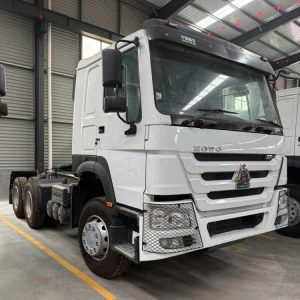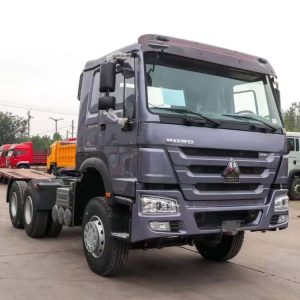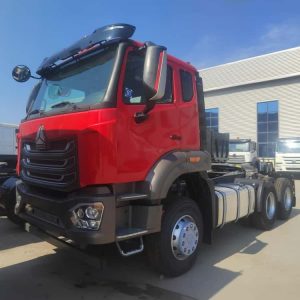
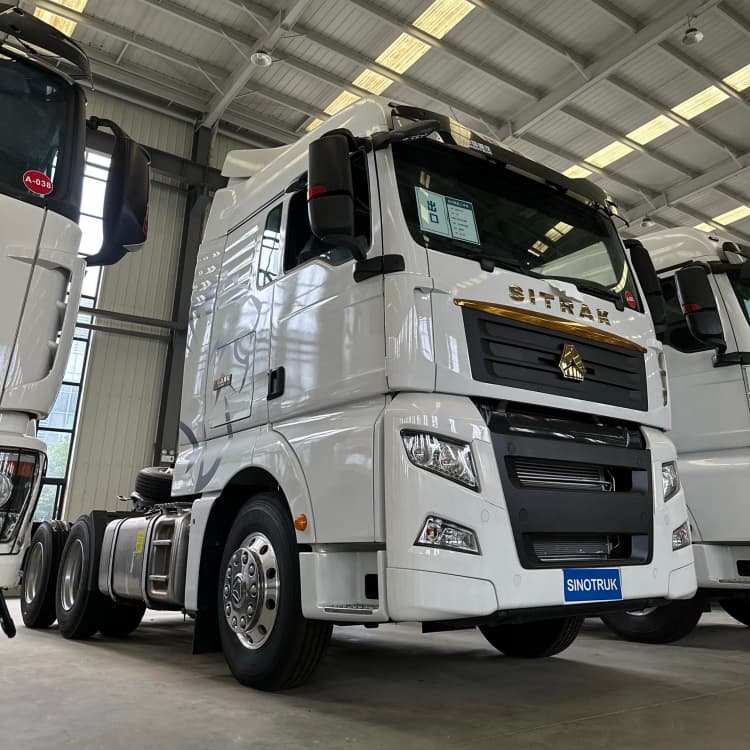
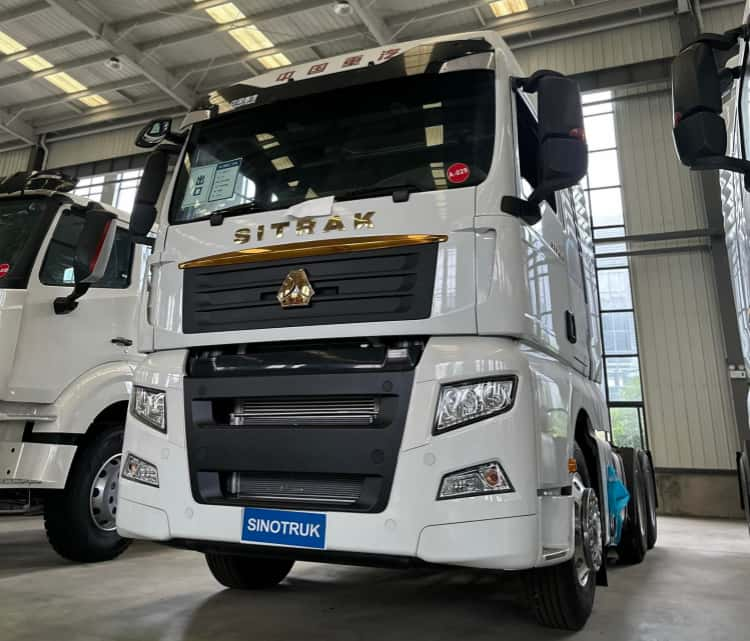
Reman Sitrak C7H 540 6×4 Tractor Truck
REMAN ROAD reman SITRAK tractor head adheres to formal remanufacturing specifications instead of superficial overhaul. Core assemblies such as engine, gearbox and steering system are fully disassembled, cleaned, tested and rebuilt to reset asset life toward near‑new standards.
Reman C7H 540 Tractor Truck Description
- REMAN ROAD reman SITRAK tractor head represents a rigorous implementation of heavy‑duty‑vehicle remanufacturing standards.
- Distinct from ordinary repair or cosmetic renovation, the whole process starts with complete vehicle disassembly.
- Every assembly is taken apart down to individual components for cleaning, damage detection and fatigue assessment.
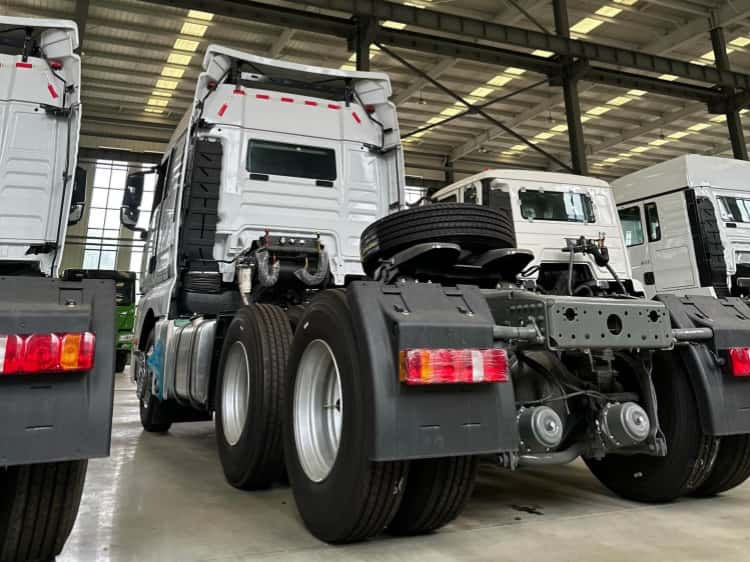
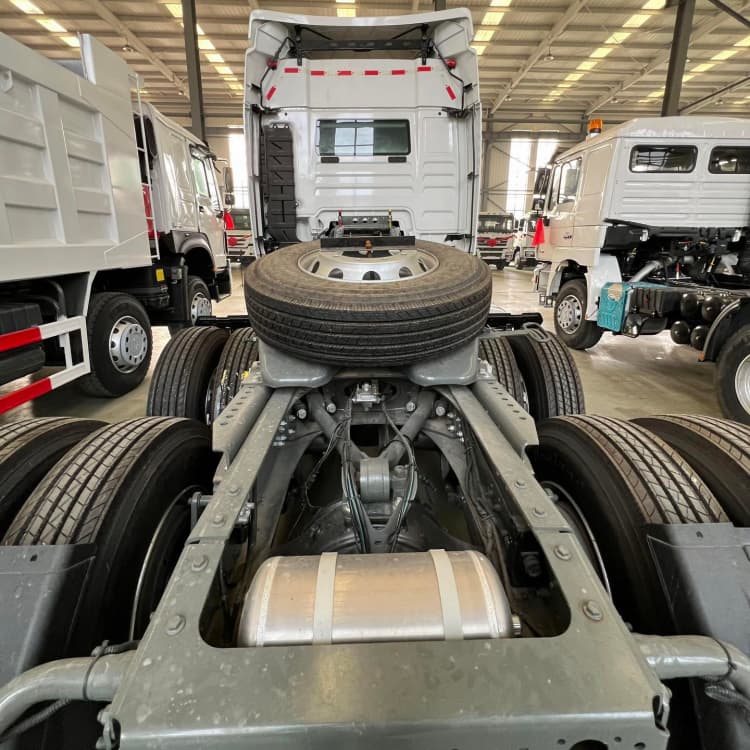
- Parts eligible for reuse receive precision restoration; components reaching fatigue limits are replaced with qualified matching spare parts.
- Engine and transmission go through bench calibration to restore near‑new power‑delivery performance.
- Chassis load‑bearing points are inspected and reinforced to eliminate hidden structural risks.
Technical Parameter Table
- Model: Reman Sinotruk Sitrak C7H 540 6×4 Tractor Truck
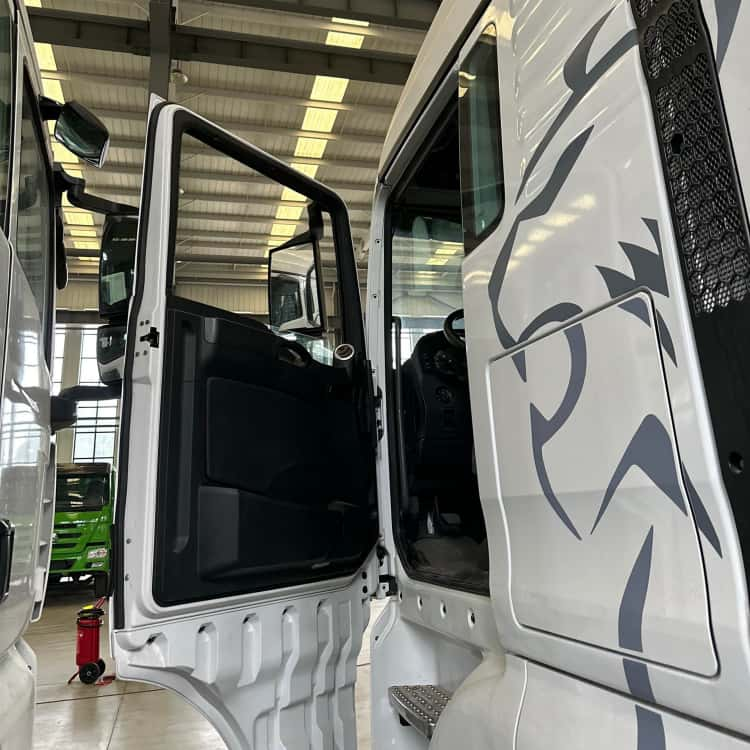
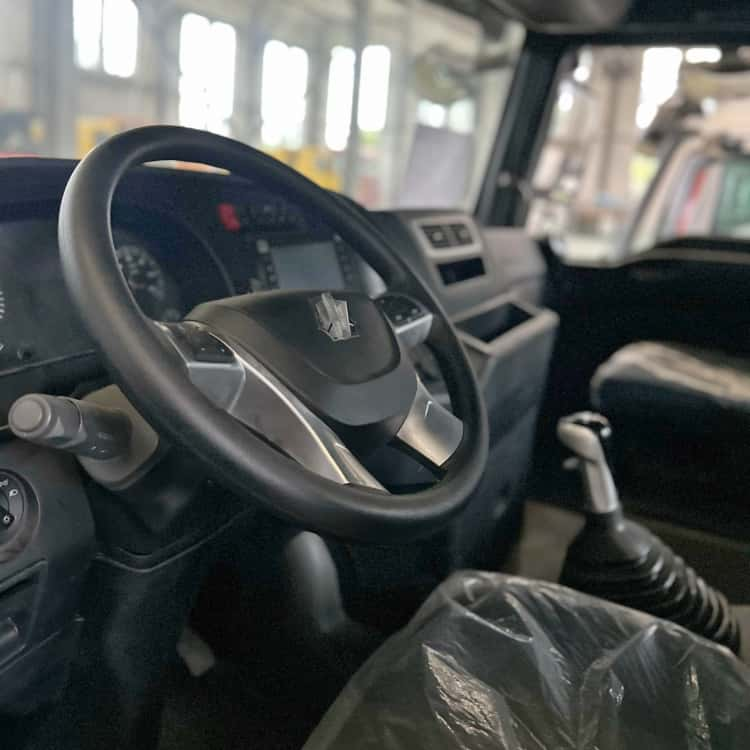
- Cabin: SITRAK high-roof sleeper cabin, fully refurbished
- Engine: Remanufactured SINOTRUK MC13 diesel engine
- Transmission: Remanufactured 12-speed automated manual transmission
- Front Axle: 7.5-ton rated reman front steering axle
- Rear Drive Axle: 16-ton heavy-duty reman tandem rear axles
- Suspension System: Reman restored leaf‑spring suspension, renewed shock absorbers
- Brake System: WABCO reman air brake system with ABS
- Fifth‑Wheel: 90 mm standard coupling fifth wheel
- Frame Condition: NDT inspected, deformation corrected within reman repair limit
- Fuel Tank: Cleaned & pressure tested fuel tank, check for corrosion and leakage
- Tire Configuration: 12R22.5 heavy‑load radial tires
- Traceability: Complete reman inspection, component‑replacement & test archive available
Key Differences — Reman SITRAK CH7 vs General Overhauled Truck
Many market participants confuse remanufacturing with conventional overhaul. For SITRAK C7H heavy‑duty tractors, these two workflows deliver fundamentally different asset outcomes.
- Whole‑vehicle processing scope: Remanufacturing executes full disassembly down to individual components; overhaul only takes apart faulty assemblies while leaving most parts uninspected.
- Component handling logic: Reman screens every single part: reusable units receive precision restoration, fatigue‑limited parts get mandatory replacement. Overhaul only repairs parts that already trigger malfunctions.
- Performance objective: Reman targets asset‑life reset to near‑new whole‑vehicle performance. Overhaul’s goal is merely to eliminate existing faults so the truck can run again.
- Validation mechanism: Reman requires powertrain bench testing plus complete‑vehicle road validation. Overhaul normally lacks systematic bench calibration and full‑vehicle performance verification.
- Asset output: Reman produces an asset with reset service cycle; overhaul extends usable time temporarily, with accumulated hidden fatigue risks remaining inside assemblies.
How Remanufacturing Protects Chassis & Frame Integrity?
Frame and chassis are the highest‑value long‑cycle assets for heavy‑duty tractors. Remanufacturing puts structural integrity as core priority during asset‑life reset
- Conduct full visual inspection plus non‑destructive testing on main frame rails, checking for micro‑cracks, deformation and metal fatigue caused by long‑term heavy load.
- Measure key dimensional tolerances of suspension mounting points, fifth‑wheel installation base and axle connection positions; perform precision correction when minor deformation exists.
- Replace aging suspension rubber components, worn spring pads and fatigue‑exposed fasteners, to avoid secondary structural damage after the truck goes back into service.
- Reject welding repair for critical load‑bearing frame sections that have developed cracks; such frames will be eliminated from reman workflow to guarantee long‑term driving safety.
- Record frame inspection data into reman traceable files, allowing fleet buyers to access structural‑assessment information of the reman C7H 540.
RFQ
- Q: How do you define the “asset‑life reset” for this reman SITRAK tractor head, different from general overhaul?
A: Asset‑life reset means restoring core assemblies back toward near‑new performance benchmarks through full disassembly, component screening and targeted renewal. General overhaul only fixes known faults; remanufacturing systematically addresses all fatigue‑prone components proactively, resetting overall service cycle rather than merely repairing existing breakdowns. - Q: Which components will definitely be replaced instead of refurbished on this reman SITRAK tractor head?
A: High‑stress consumable parts subject to fatigue limits are mandatorily replaced, including sealing kits, bearing sets, brake friction assemblies and aging rubber pipelines. Structural parts passing inspection are precision‑refurbished; any component exceeding tolerance thresholds gets replaced with certified spare parts. - Q: What performance‑verification tests does this reman SITRAK tractor head complete before delivery?
A: It includes component‑level bench testing for engine and gearbox, static whole‑vehicle inspection, and real‑road road‑test covering acceleration, braking stability, transmission shifting performance and sealing check, to confirm whole‑vehicle performance matches reman acceptance standards. - Q: How can buyers distinguish formal rreman SITRAK tractor head from ordinary renovated second‑hand trucks?
A: Formal reman follows full teardown‑rebuild workflows with component traceability records, and targets near‑new performance. Simple renovation only cleans appearance and fixes obvious faults, without systematic fatigue‑part replacement or bench validation. We provide key reman workflow records for reference. - Q: Will remanufacturing change the original OEM structural design of SITRAK C7H?
A: No. REMAN ROAD reman work strictly follows original SITRAK OEM design boundaries. We restore or replace components according to factory technical specifications, and do not modify chassis layout, power‑matching parameters or load‑bearing structures. - Q: What kind of fleet scenarios are most suitable for deploying reman SITRAK tractor head?
A: It fits long‑haul highway logistics fleets, container transport and bulk‑cargo operators. It suits fleets looking to expand asset scale with controlled budgets, while expecting stable heavy‑duty performance and pursuing circular‑economy & ESG‑compliant operations. - Q: What traceable documentation can you provide for the remanufacturing process of this C7H?
A: We supply key‑component inspection reports, bench‑test records for powertrain assemblies and post‑rebuild road‑test summaries. These documents record component screening, renewal and validation steps to demonstrate compliance with reman standards.