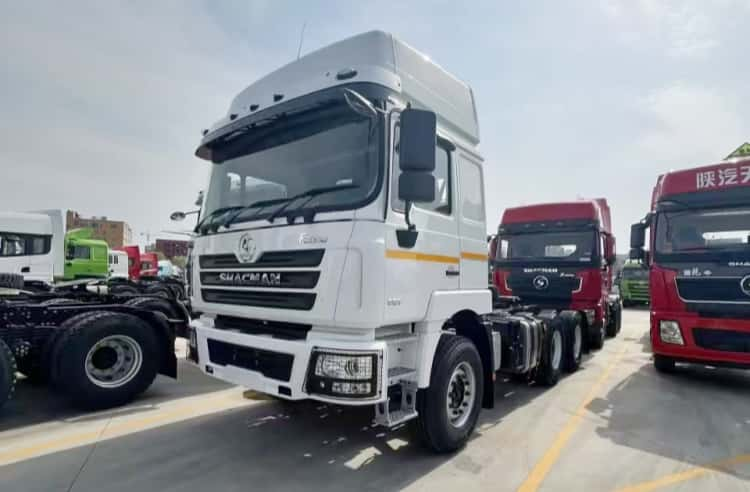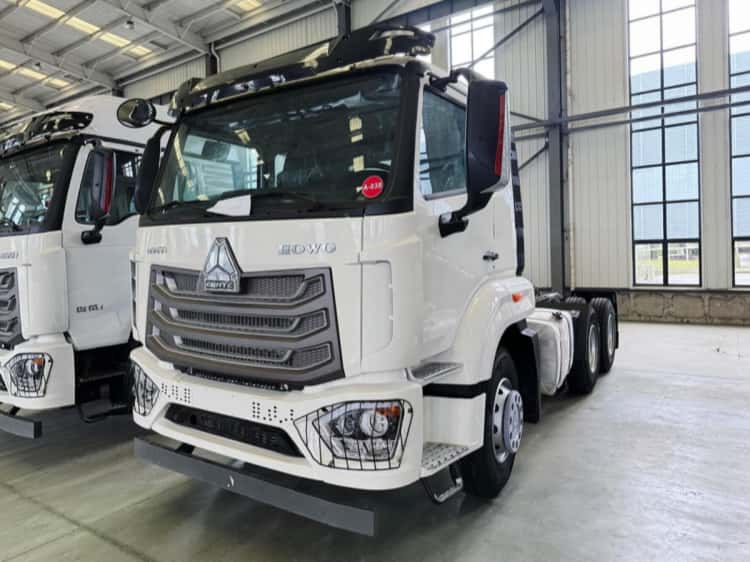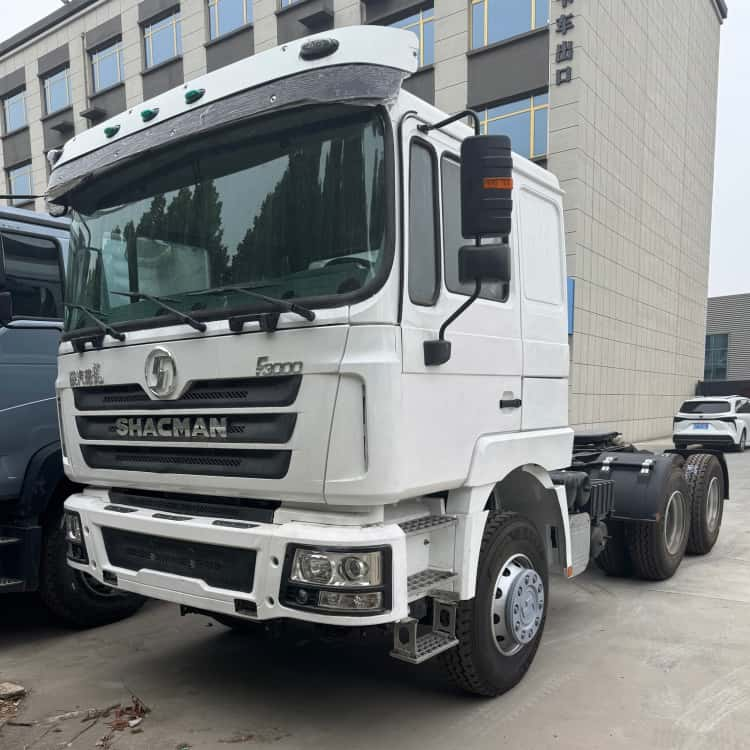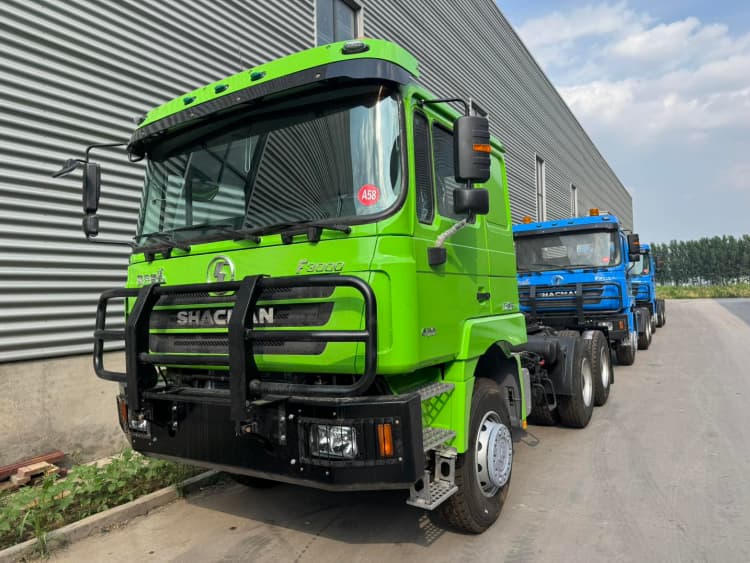
Understanding the Payback Logic of a Value Reman Investment
Intro
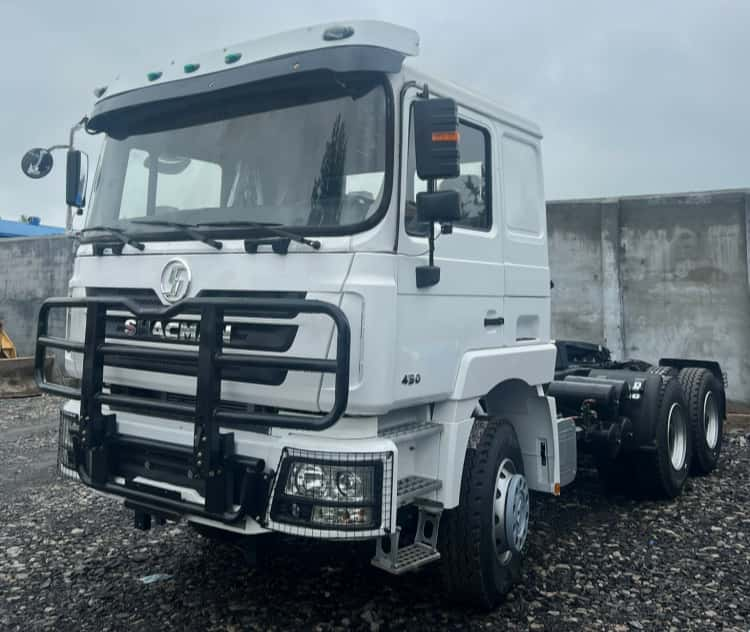
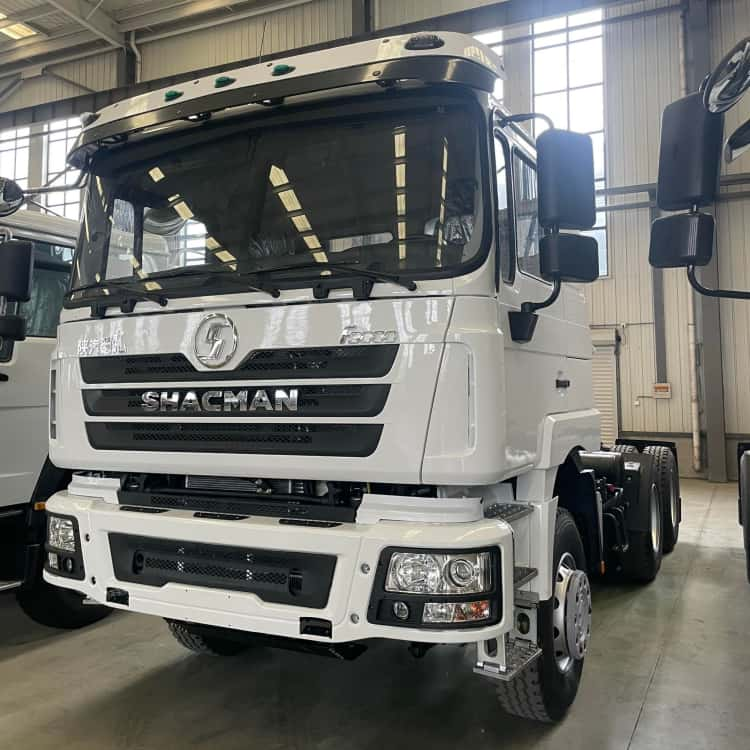
Many fleet buyers treat value reman trucks as a simple cost-saving purchase, but it is better framed as a capital investment with a defined payback cycle. Payback logic focuses on how quickly the cumulative savings — versus new, overhauled or refurbished alternatives — offset the purchase price. It is not only about a cheap sticker price; it depends on uptime, repair avoidance and residual value over the holding period.
The core payback formula
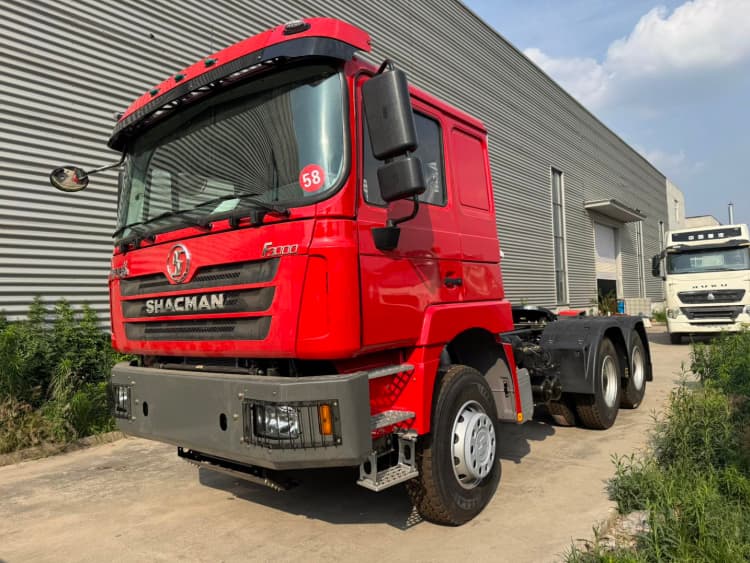
Payback starts with the annual net savings generated by the value reman truck. These savings come from three main streams: the difference in upfront capital outlay, avoided emergency repair costs, and revenue protected by fewer downtime events.
Compared to a new truck, the immediate saving is the large gap in acquisition cost. Compared to a cheap refurbished truck, the saving comes from eliminating costly breakdowns, rental replacements and tender penalties. The payback point arrives when these total savings equal the extra investment made for a benchmark value reman over a low-quality rebuild.
Uptime is the biggest payback driver
The fastest path to payback comes from consistent revenue-generating operation. Unverified refurbished or overhauled trucks often appear cheaper, but unexpected shutdowns erase savings. Each breakdown cuts haulage output and may trigger penalties.
Certified REMAN ROAD value remanufacturing removes latent defects via NDT screening, full disassembly and load testing before delivery. Every additional productive shift accelerates the break-even timeline.
Predictable maintenance reduces cash flow drag
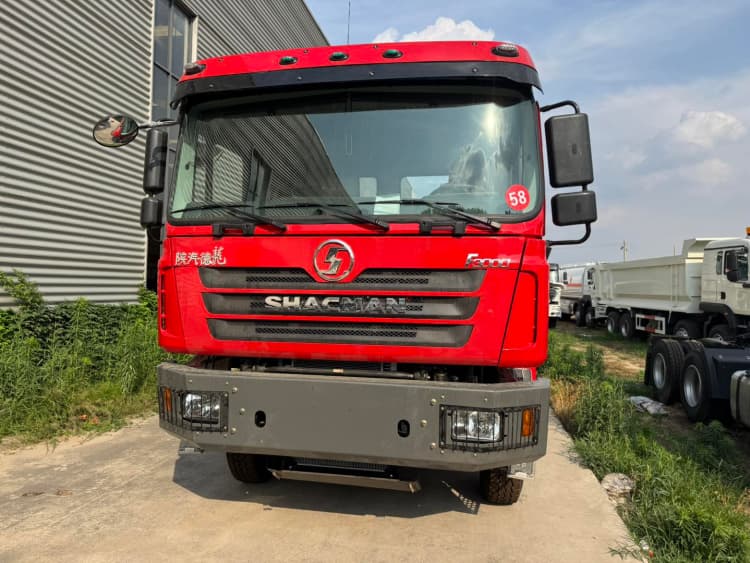
REMAN ROAD value remanufacturing’s standardised service schedule turns maintenance into a planned expense. There are far fewer sudden, large repair invoices that disrupt budget projections.
This steady spending profile also means the fleet avoids holding large idle cash reserves for emergency repairs. The working capital that would otherwise be reserved for crisis fixes can be deployed to generate more revenue, indirectly boosting the investment return.
Residual value shapes long-term payback
Payback analysis must include the expected resale value at the end of the holding period. Benchmark REMAN ROAD value remanufacturing with a complete transferable dossier depreciates more slowly.
When the fleet sells or redeploys the truck, the capital recovered reduces the net amount invested. For project-based fleets that rotate assets every 2–4 years, residual value is a critical factor that many buyers leave out of basic payback calculations.
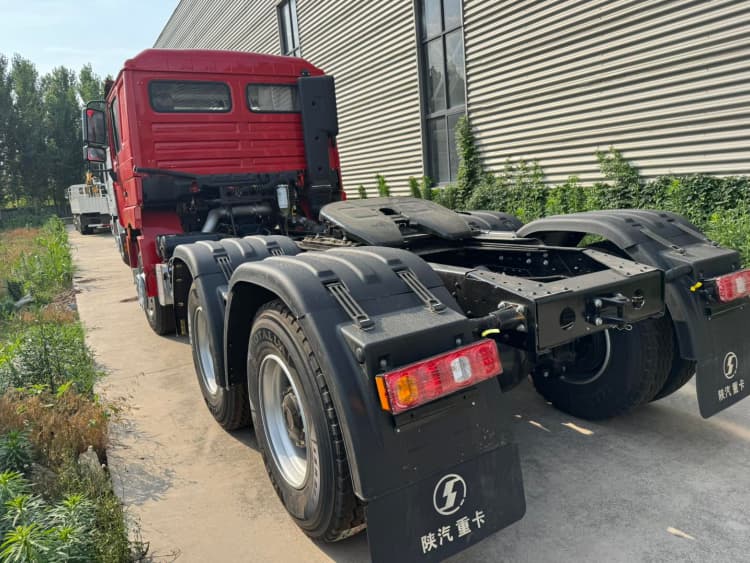
Common pitfalls that delay payback
Payback slows dramatically if the value remanufacturing is not built to a consistent benchmark. Cut corners on core inspection, component grade or testing, and the fleet will face repeated repairs. The low upfront price becomes a false economy, stretching or even eliminating positive returns on the investment.
Final takeaway
The payback logic of a value remanufacturing investment measures how quickly verified quality and uptime savings recoup the purchase cost. Strong payback relies on predictable maintenance, reliable haulage throughput and protected residual value. When evaluated properly, certified value remanufacturing becomes a controlled, high-return capital choice for haulage and mining fleets.