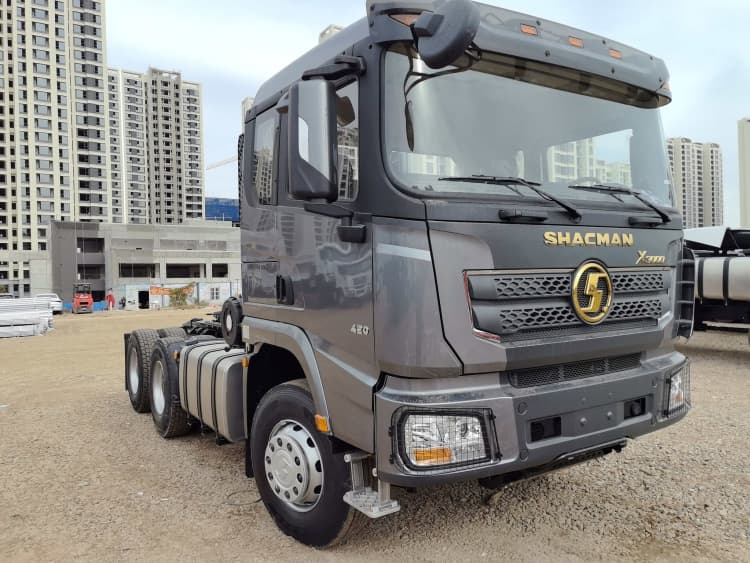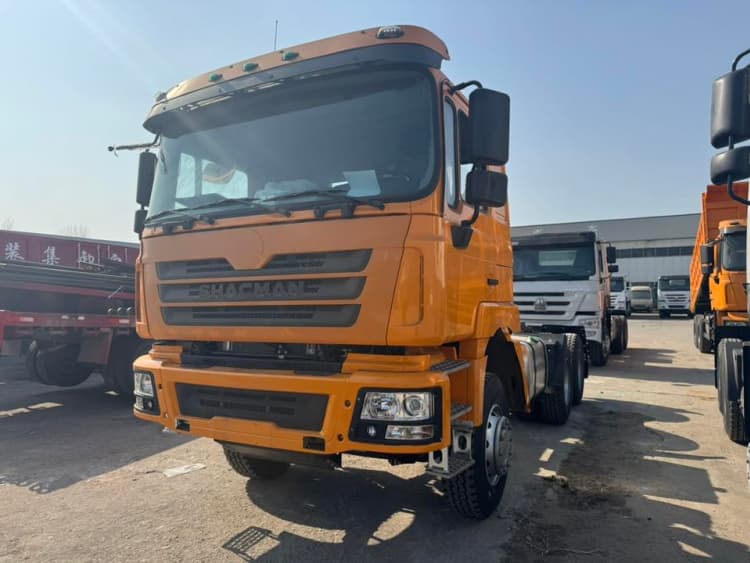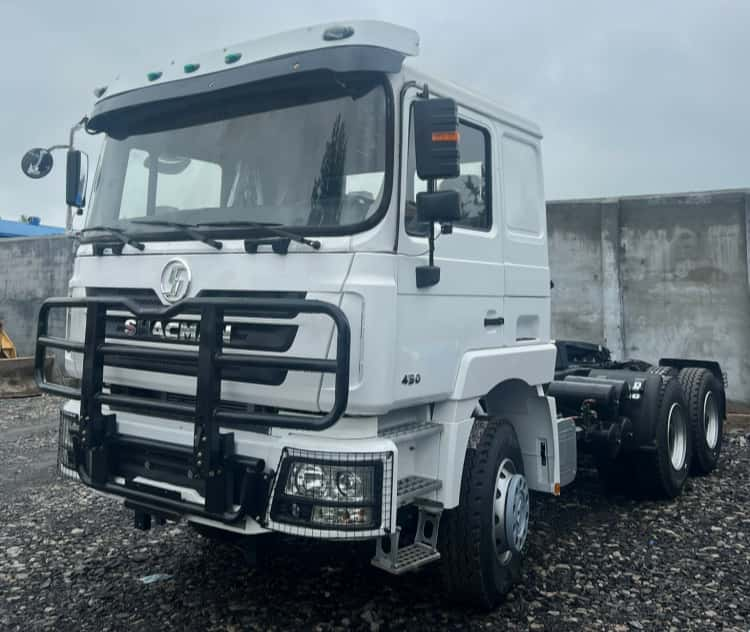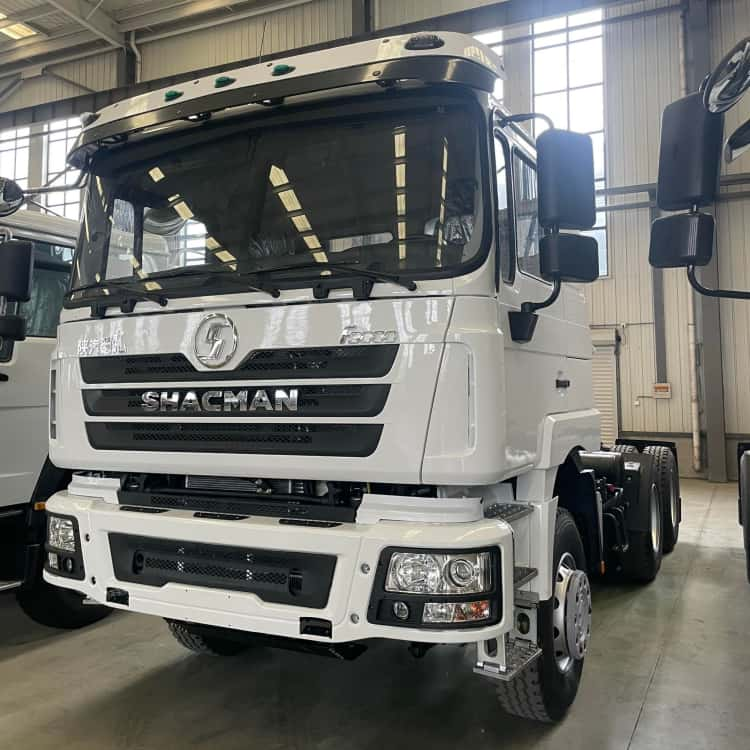
How Value Builds Up Over Multiple Reman Lifecycles?
Intro
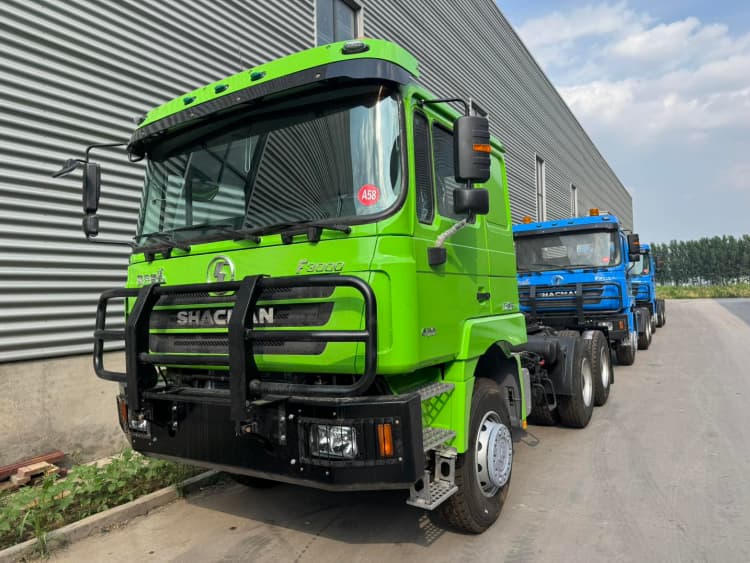
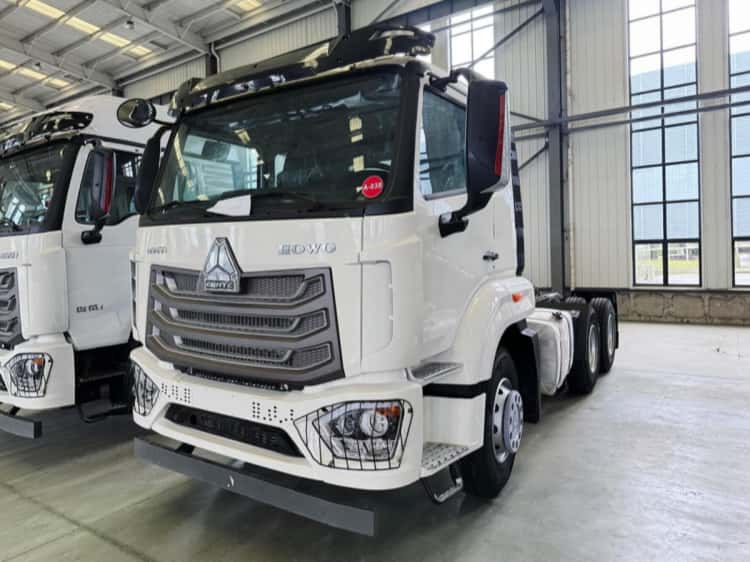
Most buyers view reman as a single one-time rebuild event. But durable heavy-duty chassis and major castings can support multiple reman lifecycles, when core screening, NDT testing and standardized reman process are strictly followed. Each cycle is not just extending the truck’s life; it accumulates operational, financial and sustainability value across years of fleet rotation, a benefit unavailable to new trucks that only depreciate once.
The core asset becomes a reusable capital base
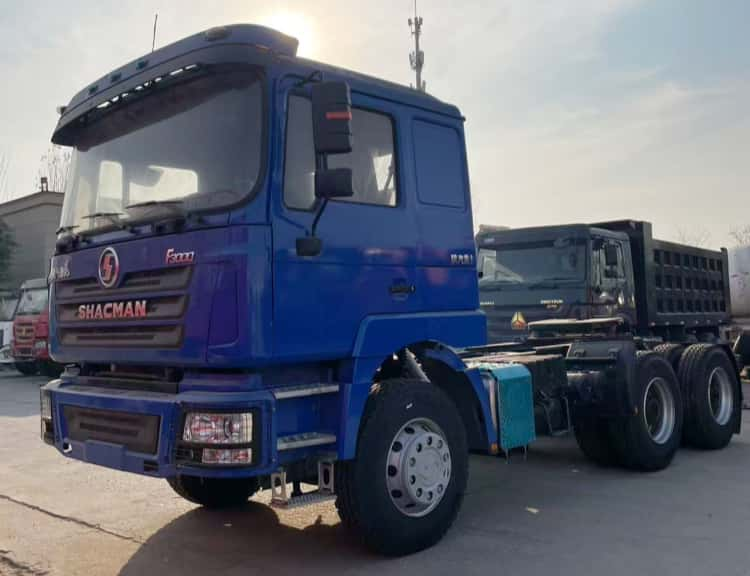
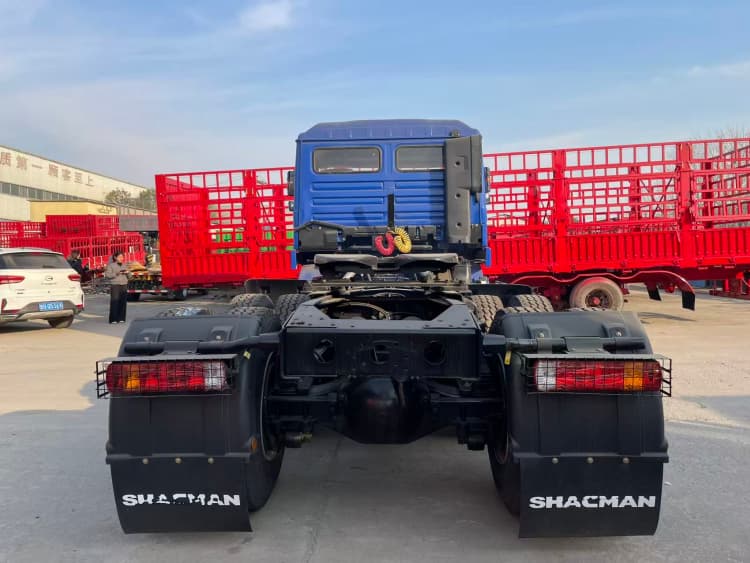
A sound frame, axle housing and other high-strength castings represent the highest embedded material and energy cost of the truck. For verified REMAN ROAD standardized reman process, qualified cores are inspected, measured and logged at every rebuild cycle. If they pass tolerance and NDT requirements, they move into another service period. Instead of sending the core to scrap after one lifecycle, the fleet retains a reusable foundation. This reduces repeated raw material and manufacturing waste, cutting the embodied carbon footprint with every cycle.
Predictable TCO across successive rebuilds
Each reman cycle resets the wear components while reusing validated structural parts. The fleet can budget for periodic rebuild overhauls rather than full new-equipment purchases. Because the core’s history is tracked in the serialised dossier, technicians know its prior duty cycles, inspection results and repair history. Maintenance planning becomes more accurate. The volatility of unknown used-truck purchases is removed, and long-term spending follows a steady, forecastable rhythm.
Transferable records preserve residual value through cycles
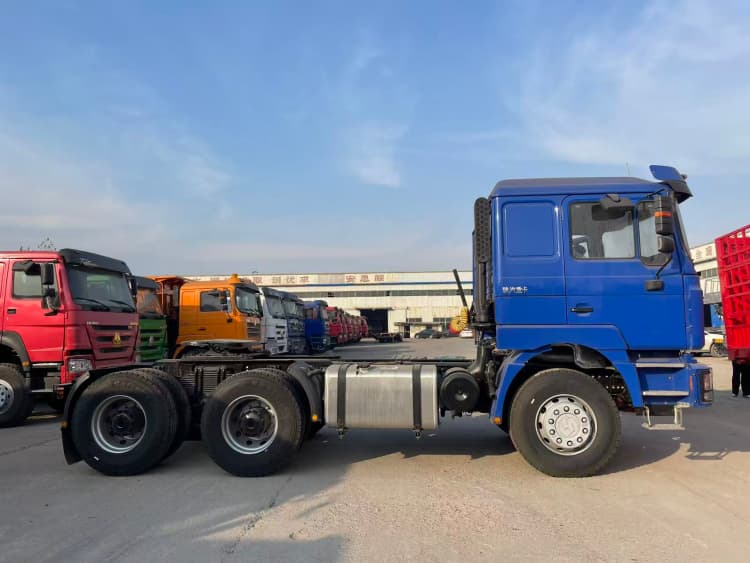
Traceability is what makes multi-reman lifecycles value possible. Every inspection, test and component renewal is recorded and linked to the chassis serial number. When the truck completes one reman lifecycles and is prepared for another rebuild or resale, the full history travels with it. Subsequent buyers trust the asset more than an unlogged rebuilt unit. Even after several cycles, properly documented cores hold better liquidity and resale value than undocumented rebuilds.
ESG and circular economy benefits compound
Each valid reman lifecycles avoids the emissions that would come from producing a brand-new chassis. For fleets reporting Scope 3 emissions and tender ESG requirements, every cycle adds verifiable carbon savings. This expands eligibility for sustainability-linked financing and green tender contracts, opening up premium project opportunities that improve overall fleet profitability.
Important boundary: not every core can cycle indefinitely
Multiple reman lifecycles only work for cores that consistently pass inspection. Once cracks, permanent distortion or material fatigue appear, the core is retired from the reman pool and removed from circulation. Cutting corners to force an extra rebuild cycle leads to sudden failures and erases all accumulated value.
Final takeaway
Value builds across multiple reman lifecycles by turning a durable chassis into a reusable, traceable capital asset. Repeated standardized reman process reduces raw material reliance, smooths long-term budget spend, preserves residual value and stacks measurable ESG benefits. The core’s ongoing value is unlocked only when every rebuild cycle follows strict benchmark inspection rules.