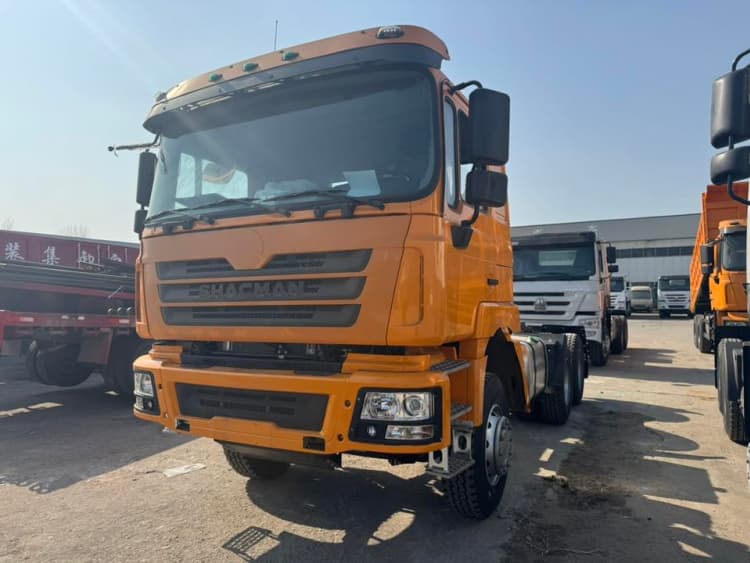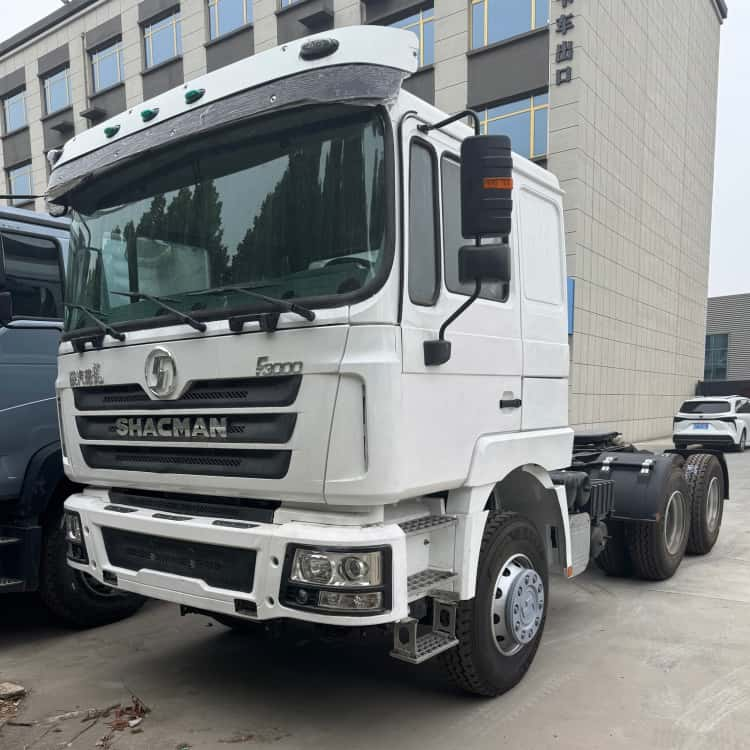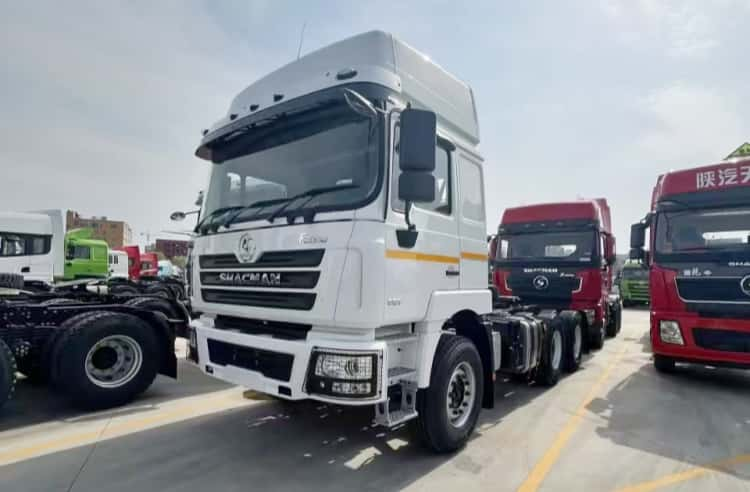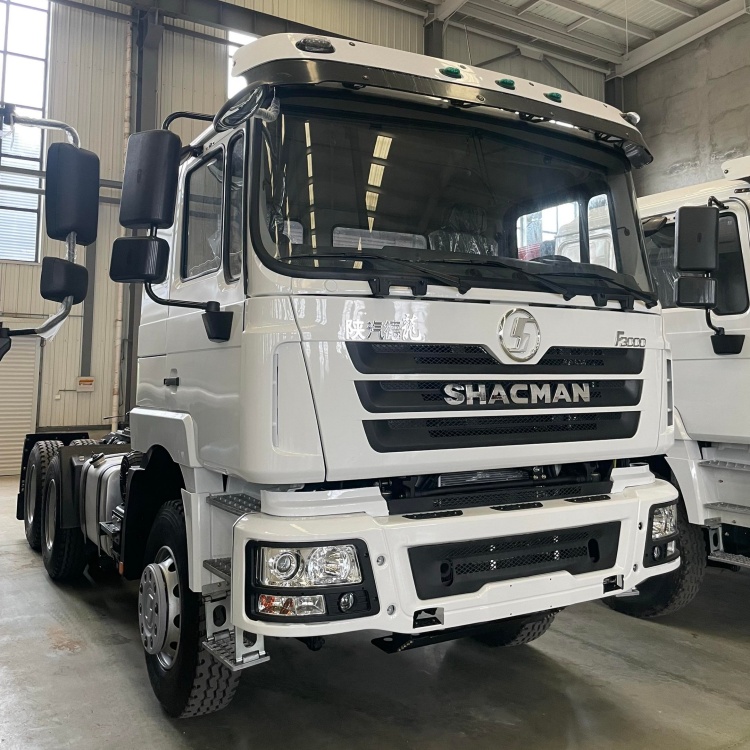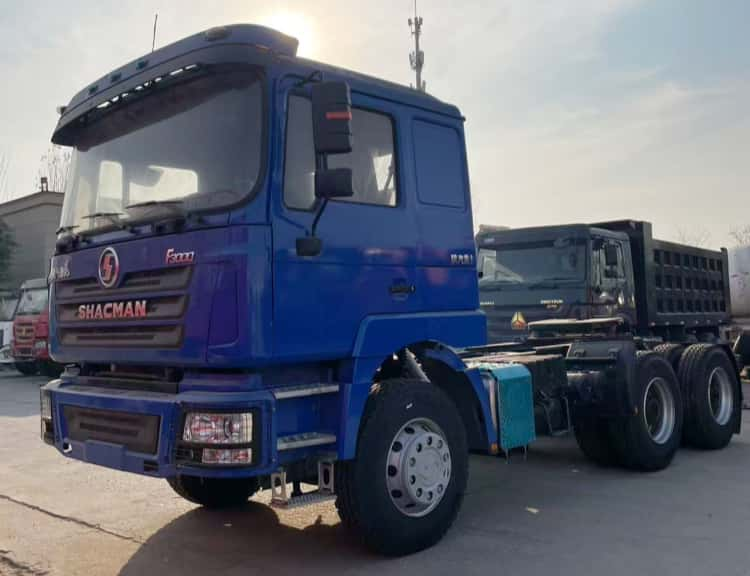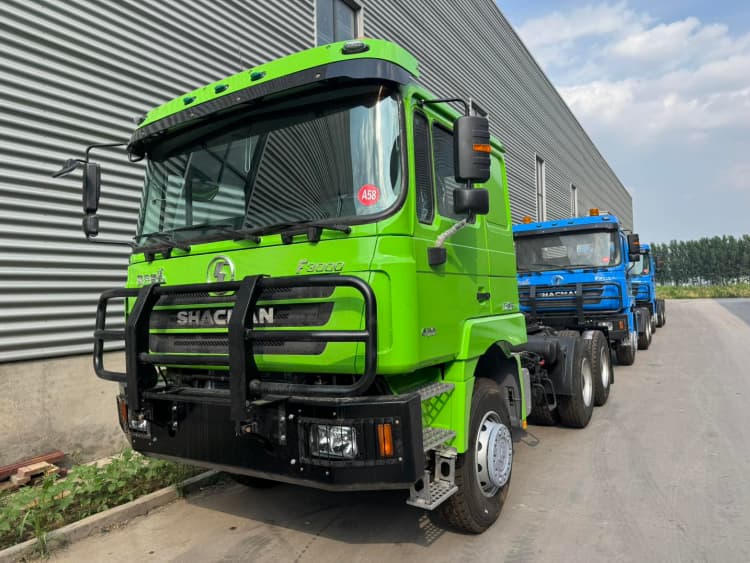
The Long-Term Savings Hidden in Standardized Reman
Intro
Most fleet buyers focus on the immediate price gap between reman, new and used trucks, overlooking the compounding savings built into standardized remanufacturing. These gains do not appear in the first month; they accumulate across service cycles, asset rotation and fleet expansion.
Unlike ad-hoc overhauls or random refurbished units with inconsistent quality, benchmark REMAN ROAD standardized remanufacturing creates repeatable, predictable performance that quietly erases a wide range of hidden operational costs year after year.
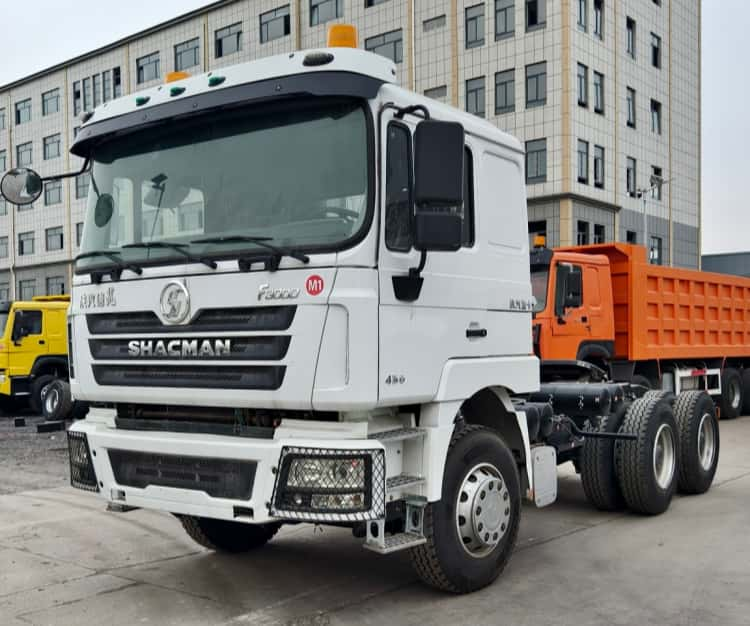
Consistent wear patterns lower recurring maintenance cost
REMAN ROAD standardized remanufacturing protocols define renewal lists, torque settings and testing requirements for every unit. Components are restored to the same tolerance limits, so wear rates align across the fleet.
Maintenance teams can build stable hour-based service schedules, shifting most work from costly emergency breakdowns to planned preventive service. Over multiple years, the cumulative difference between scheduled service and crisis repairs becomes substantial, eliminating repeated large, unbudgeted repair invoices.
Leaner spare parts inventory and less capital lock-up
With uniform specifications and no undocumented custom modifications, the fleet’s part catalogue shrinks. Fewer unique SKUs mean less slow-moving, obsolete stock sitting in the warehouse.
High-value exchange assemblies can be sourced from the supplier’s shared reman pool instead of being stocked in-house. Working capital previously tied up in emergency spare inventory is freed for payroll, fuel and new contract mobilisation, delivering ongoing financial efficiency across the fleet lifecycle.
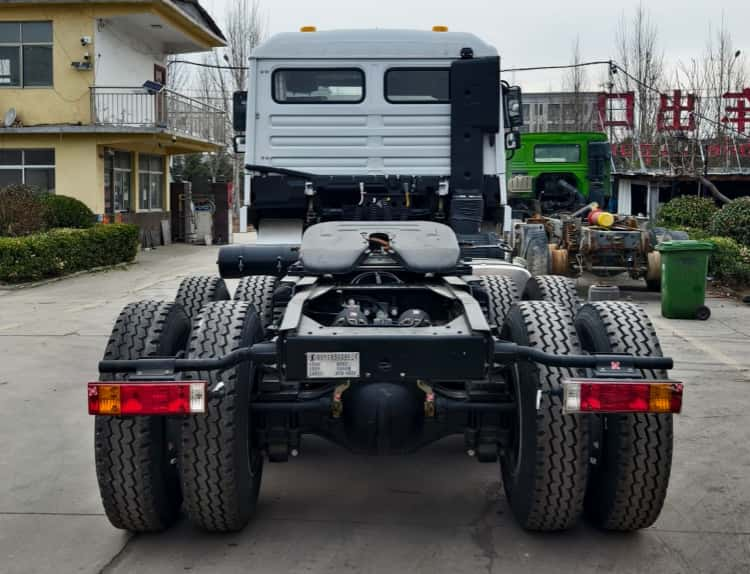
Lower insurance surcharges and compliance overhead
REMAN ROAD standardized remanufacturing carries verified condition evidence. Insurers recognise the reduced failure risk and structural validation, avoiding the high-risk premiums applied to trucks with unknown service history.
Audit-ready records also reduce repeated third-party inspection fees when moving trucks between quarry, mine and construction sites. The fleet avoids lengthy site lock-outs and the lost revenue that comes with compliance delays, year after year as assets are redeployed.
Stronger residual value at every rotation cycle
Because each rebuild follows the same benchmark, the serialised record transfers reliably to future buyers. When rotating assets after a project or multi-year service run, standardized remanufactured trucks command better resale prices. This steady residual recovery reduces the net depreciation expense over the asset’s life. For fleets that refresh equipment on a regular cycle, this recurring value retention is one of the most underrated long-term savings streams.
Final takeaway
The hidden long-term savings of REMAN ROAD standardized remanufacturing stem from predictability. Uniform rebuild standards cut maintenance volatility, rationalise spare inventory, reduce insurance and compliance costs and protect residual value through repeated asset cycles. These compounding benefits often outpace the initial upfront price premium when viewed over the full multi-year TCO timeline.