Why Standardised Reman Starts With a Qualified Core?
Intro
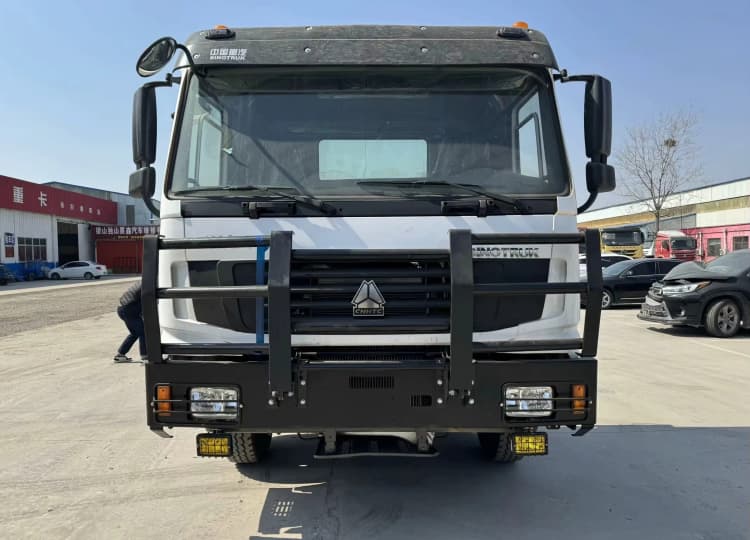
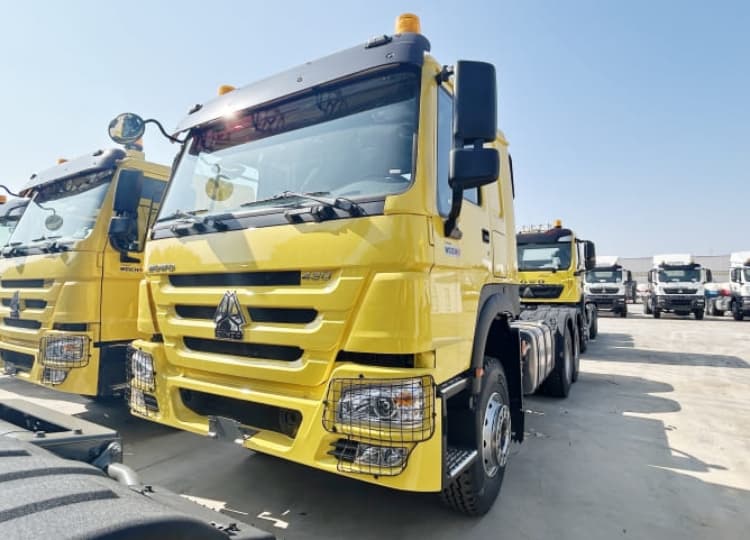
Many buyers assume remanufacturing’s magic lies in machining, welding or advanced testing. While NDT, bench tests and precise assembly are critical, the entire certified build stands or falls long before disassembly begins — at core intake. Under the REMAN ROAD standardised remanufacturing, reman is not a process that can rescue any worn truck. It can only restore assets that still retain enough inherent structural and material capacity to complete another full service cycle. Starting with an unqualified core creates hidden defects that no amount of later repair or inspection can fully eliminate. This article explains why core qualification acts as the first and most important quality gate for standardised reman.
Reman can only restore existing design margin, not recreate it
Standardised remanufacturing recovers residual engineering capacity built into the original component. It cannot reverse permanent material damage. A qualified core still holds sufficient fatigue safety margin, intact grain structure and load-bearing capacity defined by the OEM. Inspections and repairs bring it back within acceptable performance thresholds.
By contrast, a core that has crossed irreversible damage limits — deep thermal degradation, severe overload fatigue, critical corrosion thinning or locked residual stress — has already lost its baseline capacity. Welding, straightening or surface grinding may hide the symptom, but it cannot bring back lost material strength. Even if it passes a short bench test, cyclic heavy-duty loading will eventually trigger failure in fleet operation.
Core screening filters out risks that downstream testing cannot catch
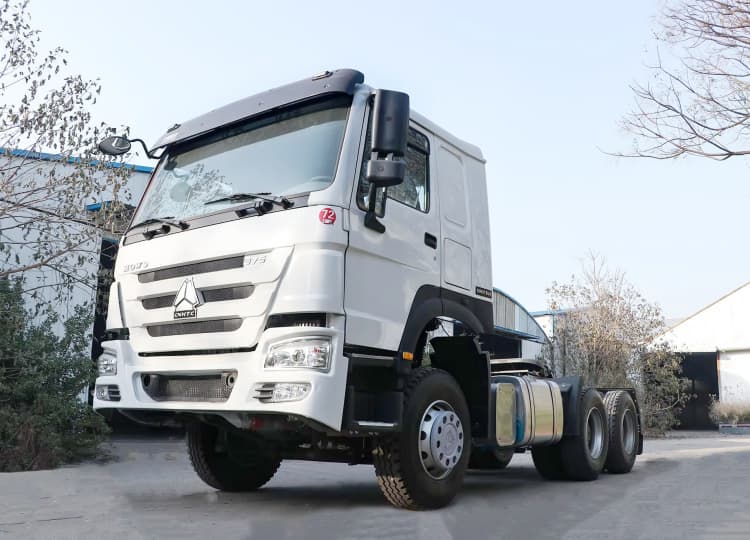
NDT and dimensional checks happen after cleaning and teardown, but some high-risk histories leave systemic damage that is difficult to fully quantify later. The intake qualification review flags red flags first: hard accident records, repeated overloading, engine overheat events, corrosive chemical exposure and unapproved structural modifications.
These events often spread subtle, distributed micro-cracks and internal stress across multiple parts of the frame, axle or powertrain. Post-teardown inspection can find obvious flaws, but it is impossible to scan every microscopic grain boundary. If the core has a damaging service history, the probability of undetected weak points rises sharply. Rejecting these units at intake prevents the whole standardised reman workflow from wasting labour and materials on inherently risky stock.
It sets consistent, predictable TCO and warranty expectations
Standardised reman’s warranty and cost modelling are built around a known remaining lifecycle. That prediction relies entirely on a qualified core. When every build starts from cores screened to the same standard, fleets can rely on consistent depreciation curves, maintenance schedules and downtime forecasts.
The warranty provider can define clear coverage terms because the baseline material integrity is verified upfront. If cores are selected loosely, each finished truck becomes an unknown. One standardised reman truck may deliver years of stable service, while another built from a borderline core suffers early breakdowns. This inconsistency breaks the core value proposition of standardised reman: predictable asset performance.
Qualification defines the boundary between reman core and scrap core
This intake gate enforces the critical dividing line covered in REMAN ROAD standardised remanufacturing definitions: reman core versus scrap core. A qualified core is eligible to enter the circular asset loop. It will be disassembled, graded, restored and reassigned a new service cycle. A disqualified core is classified as scrap feedstock.
Its only remaining value is raw metal recovery. It exits the reman pipeline permanently. Low-standard workshops skip this step. They treat scrap-grade stock as usable cores because scrap metal pricing is far cheaper. This misclassification is one of the most common ways vendors cut input costs while transferring catastrophic failure risk to fleet operators.

Core eligibility rules apply to the whole vehicle, not just one good part
A frequent misconception: if the engine runs well or the frame looks straight, the truck is a qualified core. REMAR ROAD standardised remanufacturing qualification evaluates the vehicle as an integrated asset. Even if the powertrain is sound, hidden frame damage or altered suspension load paths disqualify the whole unit.
A single critical load-bearing component failing intake criteria means the vehicle cannot proceed as a whole-vehicle standardised reman candidate. Individual good parts can still be harvested as reusable component cores for separate subassembly builds. But the full truck cannot become a standardised reman truck.
Poor core selection undermines the value of all later quality gates
It helps to think of the standardised reman workflow as a chain of gates. Full teardown, NDT inspection, component grading and bench testing all serve to validate the core. None of them can fix a fundamentally unqualified starting asset. You can run a frame through ultrasonic testing, grind out visible cracks and repaint it. But if the core was overloaded repeatedly to the point of widespread fatigue initiation, the testing process will only catch some defects, not all.
The finished truck will look and test like standardised reman at handover, yet carry a ticking structural risk. All downstream quality controls are far more reliable when the starting material has already passed core qualification.
Qualification records become part of the permanent asset dossier
Intake screening results are not a quick internal checklist thrown away after approval. They are attached to the VIN and stored in the official reman dossier. For fleet buyers, this record proves the asset was eligible for standardised reman workflow.
It supports audit reviews, insurance validation, cross-border customs compliance and ESG circularity claims. Without documented core qualification, the rest of the inspection paperwork loses much of its credibility. Any buyer reviewing the asset in its next resale cycle will want to see this starting proof.
Closing
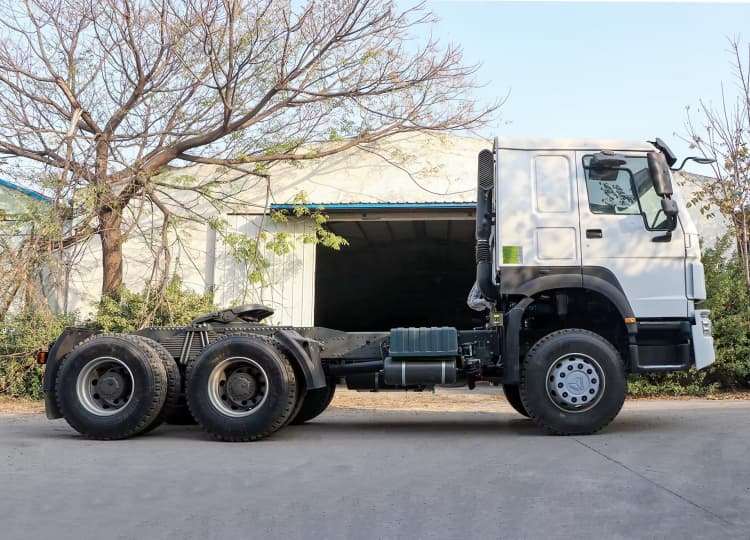
Standardised remanufacturing is built on a simple rule: you can only reset the lifecycle of a core that still has recoverable engineering capacity. Qualification is the first filter that keeps irreversible, high-risk assets out of the certified build pipeline. NDT, machining and bench testing refine the asset, but they cannot recreate lost material strength or erase the damage from severe service history.
For fleet buyers, this means one of your first supplier questions should always be how they screen and document core eligibility. A reman build is only as reliable as the qualified core it started from.