The Mindset Shift Needed to Appreciate Standard Reman
Intro
Many fleet procurement teams instinctively evaluate heavy vehicles using habits built around new truck purchases and casual used-truck shopping. These deeply ingrained mental shortcuts often make certified reman look overpriced, complicated or unnecessary at first glance.
Appreciating the real value of REMAN ROAD standard reman does not require advanced metallurgy expertise. It requires a deliberate mindset shift — away from surface-level, short-term thinking and toward engineering-driven, lifecycle-first asset management. This article lays out the core mental transitions that separate buyers who benefit from standard remanufacturing from buyers who keep falling into low-cost rebuild traps.
From “lowest upfront price” to lowest total cost of ownership
The default buying reflex is simple: compare sticker prices and pick the cheapest viable option. This mindset treats the purchase price as the primary cost, while treating breakdowns, lost revenue, emergency repairs and downtime as unpredictable, secondary inconveniences.
Standard remanufacturing thinking reframes the equation. Upfront cost is just one input in TCO. A cheaper cosmetic rebuild may save money on day one, but latent structural defects can trigger costly roadside failures, lost delivery contracts and expensive emergency labour.
The new mindset asks: What is the full cost over the next 2–4 years? Standard reman’s higher initial investment buys predictable maintenance schedules, reduced unplanned downtime and warranty coverage backed by inspection records. Cheap is not low-cost if it carries heavy hidden risk.
From “what I can see” to “what testing can prove”
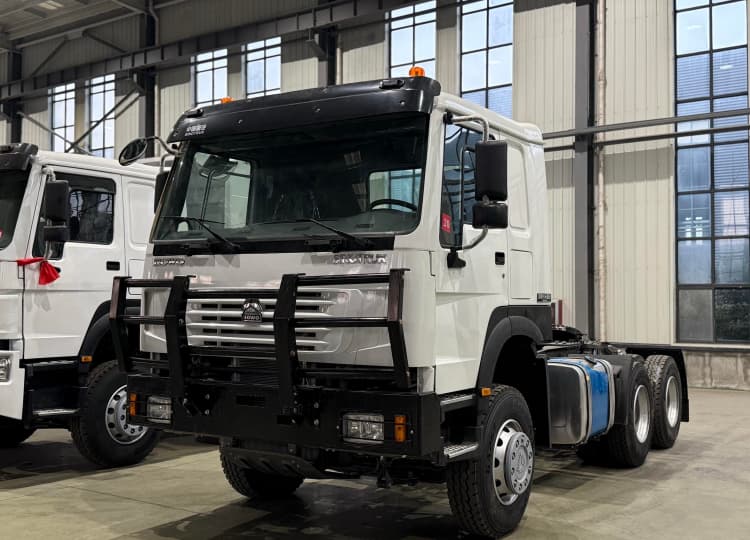
Human intuition trusts visual evidence. Shiny paint, clean cab, new tires and smooth idle feel reassuring. This is why cosmetic refurbishment is such a successful sales tactic in the heavy truck market.
Standard remanufacturing requires distrusting surface appearance. Most dangerous defects — subsurface fatigue cracks, corrosion wall thinning, residual stress in frame rails — cannot be seen.
A truck can look excellent while holding fatal hidden flaws. The shifted mindset prioritises test data over visual impression. NDT reports, dimensional measurements, bench test logs and component grading sheets become the trusted source of truth. Glossy finishes are treated as optional aesthetics, not proof of structural integrity.
From “mileage and age define life left” to “remaining structural capacity defines life left”
Traditional valuation ties a truck’s remaining useful life to manufacture date and odometer reading. This logic assumes every kilometre wears the truck down at the same fixed rate.
Standard remanufacturing thinking rejects that assumption. Duty cycle matters far more than mileage. A truck used gently on highways can retain strong fatigue margin at high mileage; another abused by repeated overloading can be structurally compromised with relatively few kilometres.
After a standard remanufacturing reset, the original mileage becomes historical context, not the primary risk metric. The core question changes from “how many kilometres has it covered?” to “has its residual load‑bearing capacity been measured, graded and validated?”
From “repair what breaks” to “prevent failures by resetting the asset baseline”
Many fleets run on a reactive maintenance mindset: wait for a component to fail, then fix it and get back on the road. This breakdown‑fix cycle works for simple equipment, but it is risky for heavy‑duty assets where frame or axle failure can cause accidents and catastrophic operational loss.
Standard reman is proactive lifecycle management. Instead of waiting for failure, the process disassembles, inspects and grades every critical part before it enters service. Weak components are removed before they fail. Wear items are replaced by default.
This mindset accepts planned, controlled investment upfront to eliminate unplanned, disruptive failures later. It is not about fixing what is already broken; it is about stopping failures before they begin.
From “reman = overhauling the engine” to “reman = whole‑vehicle asset reset”
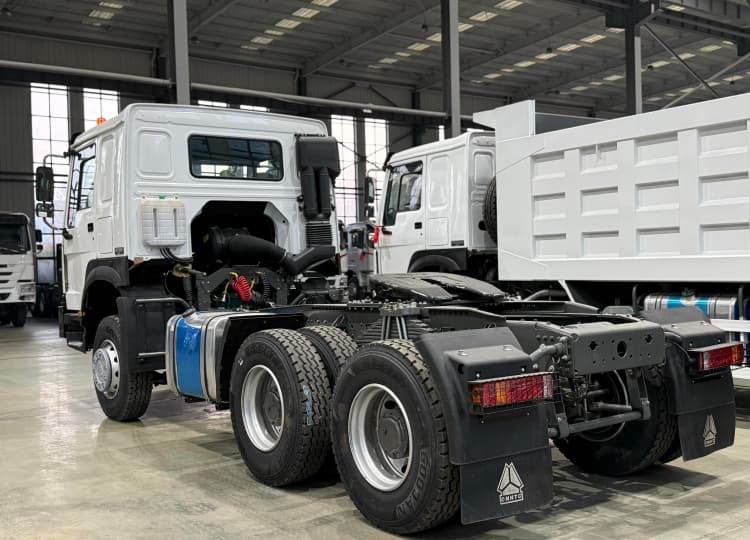
A common limited view reduces reman to engine rebuilding. Buyers think: if the engine is rebuilt, the truck is remanufactured. They overlook frame, suspension, axle housing, brake structure and load‑bearing welds.
The reman mindset treats the truck as an integrated load‑bearing system. The powertrain is only one subsystem. A perfect rebuilt engine cannot compensate for a fatigued frame or cracked axle.
Whole‑vehicle standard remanufacturing applies the same strict inspection and grading rules to every critical load‑bearing component. This shift means rejecting “partial reman” marketing. If only the engine is rebuilt and the frame remains untested, it is an overhaul — not standardised reman.
From “warranty is just a sales add‑on” to “warranty is tied to auditable process evidence”
Many buyers view warranties as a nice bonus, a sales feature to negotiate down or dismiss. They separate warranty coverage from the work performed.
Under REMAN ROAD, warranty is a direct outcome of the gated reman workflow. Coverage exists because every critical component was screened, graded and validated. The warranty’s credibility lives inside the VIN‑linked dossier.
The new mindset checks what the warranty is based on. A warranty supported by full NDT, grading and bench records is fundamentally different from a narrow warranty that only covers a single replaced part. Without supporting documentation, the warranty promise has little enforceable weight.
From “documentation is red tape” to “records are the asset’s value passport”
It is easy to see inspection logs, grading forms and test reports as unnecessary administrative work. Busy fleet teams may skip reviewing paperwork once the truck runs well on a test drive.
The reman mindset treats the dossier as part of the asset itself. These records prove eligibility at resale, support insurance claims, validate ESG circularity claims and resolve warranty disputes.
When the truck changes hands again, the dossier is what lets the next buyer trust its reset lifecycle. Without traceable records, even a well‑built rebuild loses its classification as standard remanufacturing. Paperwork is not overhead; it is proof of quality.
From “every used truck is a one‑off gamble” to “assets can belong to a standardised class”
The traditional used‑truck market is fragmented. Every second‑hand truck is unique, with unknown history and inconsistent inspection standards. Buyers learn to treat every purchase as an individual gamble.
Standard remanufacturing builds repeatable, consistent quality gates. Cores follow the same intake rules, components use identical grading thresholds, and validation follows fixed bench acceptance criteria.
This mindset accepts that heavy assets do not have to be one‑of‑a‑kind risks. When built to a shared standard, reman trucks form a recognised asset class that can be compared, financed, insured and traded with greater confidence.
From “sustainability as marketing” to “circularity as a measurable operational strategy”
Some buyers treat environmental claims as greenwashing, a tagline added to sell at a higher price. They separate sustainability from practical fleet economics. The reman mindset sees circularity as a natural outcome of the engineering process.
Retaining qualified structural cores cuts virgin steel consumption and manufacturing emissions. These savings are documented and quantifiable, not just promotional language. This shift lets procurement teams align asset purchases with ESG targets without sacrificing reliability or TCO discipline. Sustainability and operational performance become aligned, not competing priorities.
Closing
Appreciating standard remanufacturing is less about learning new technical tricks and more about unlearning old purchasing instincts. It means moving past sticker price and visual appearance, and focusing on residual structural capacity, proactive risk elimination, auditable test evidence and full‑lifecycle cost.
For fleet leaders who make this mindset shift, standard remanufacturing is no longer an alternative to used or new trucks. It becomes a disciplined asset strategy that brings consistency, predictability and measurable value to heavy‑vehicle fleets.