Understanding the Reman Workflow From Intake to Delivery
Intro
Certified reman trucks build is not a random sequence of repair tasks. It follows a fixed, gated workflow defined by REMAN ROAD. Every reman workflow stage must be signed off before the vehicle moves to the next step. Skipping or rushing any gate introduces hidden risk that may not surface until the truck enters heavy fleet operation.
This walkthrough traces the full journey of a heavy truck core, from the moment it arrives at the reman facility until the finished, certified reman trucks is handed to the buyer. It helps fleet buyers visualise what should happen behind the scenes and recognise shortcuts when suppliers omit critical steps.
Core intake and eligibility assessment
The certified reman workflow begins before any tools touch the vehicle. The reman team reviews the truck’s service background, visualises structural condition, and screens for disqualifying factors: accident damage, undocumented overload, severe thermal failure, corrosive exposure and unapproved structural modifications. Inspectors document the VIN, mileage, known faults and intake findings.
If the core fails qualification, it is rejected for whole-vehicle reman. It may be harvested for individual usable spare cores or sent for scrap recycling. Only assets with proven remaining fatigue capacity advance into production. This is the first formal quality gate.
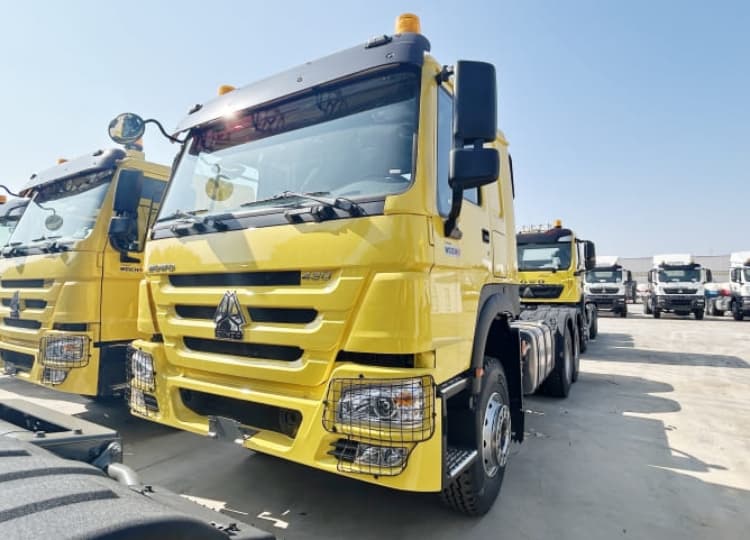
Full disassembly and segregation of components
Qualified cores proceed to complete disassembly. Unlike selective repair, every major system is stripped down to individual parts: frame, axles, suspension, engine block, transmission housing, brake assemblies and hydraulic modules.
Components are sorted and labelled, linked back to the parent VIN. Fasteners, seals and wear parts are separated for later replacement. The goal is simple: no critical load‑bearing part remains hidden inside an assembled subassembly. Partial teardown is not accepted under the standard.
Industrial cleaning and surface preparation
All disassembled components go through heavy‑duty industrial cleaning to remove grease, carbon, rust scale, paint and surface coatings. Cleaning is not cosmetic. Grime and surface layers block NDT signals and mask microcracks, corrosion thinning and fatigue defects.
Once cleaned, parts are ready for precise dimensional measurement and non‑destructive testing. Dirty components cannot proceed to inspection.
Dimensional check, NDT and formal component grading
This is the technical validation core of the whole workflow. Each critical component is measured against OEM dimensional tolerances. Inspectors run mandatory NDT methods including ultrasonic, magnetic particle and radiographic testing where required, to detect subsurface flaws invisible to the human eye. Based on test data, every part is assigned one of three grades: reusable, repairable or mandatory scrap.
- Reusable: meets tolerance and fatigue requirements, ready for reassembly.
- Repairable: defects fall within approved restoration limits; repair followed by re‑inspection is required.
- Scrap: irreversible damage; no repair is permitted. All grading decisions are logged and attached to the VIN record.
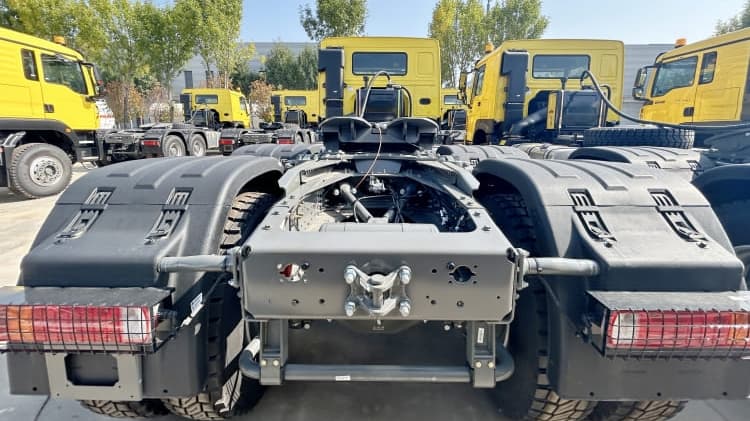
Controlled restoration and part replacement
Reusable components are stored properly to avoid secondary damage. Repairable parts undergo approved remediation: precision machining, journal resurfacing, controlled straightening or qualified welding. After repair, they must pass a second round of inspection and NDT before being approved.
All scrap‑rated components are replaced. Time‑limited consumables — seals, gaskets, bearings, brake linings, hoses and high‑strength fasteners — are replaced by default, even if they appear visually intact. This certified reman workflow ensures the new lifecycle starts with fresh wear items.
Subassembly rebuild and independent bench validation
Components are grouped back into subassemblies: engine, transmission, drive axle, brake and hydraulic packs. Before vehicle assembly, each subassembly is tested separately on dedicated bench equipment. Dynamometers verify power, torque and thermal stability for powertrains.
Hydraulic benches run pressure hold and cycle tests. Brake rigs check response, balance and leakage. Bench testing simulates sustained working loads in a controlled environment, catching failures that a short road test would miss. Subassemblies only move forward once they hit all acceptance thresholds.
Whole-vehicle assembly and system calibration
Validated subassemblies and approved core components are assembled following OEM torque specifications and assembly instructions. Technicians restore the original engineering design intent, avoiding mismatched adapters, non‑standard brackets or unapproved modifications.
Once assembled, interconnected electronic and hydraulic systems are calibrated: engine ECU, brake control modules, suspension geometry and safety sensors. Poor calibration can create functional faults even when every individual part passes testing. System integration is a separate quality checkpoint.
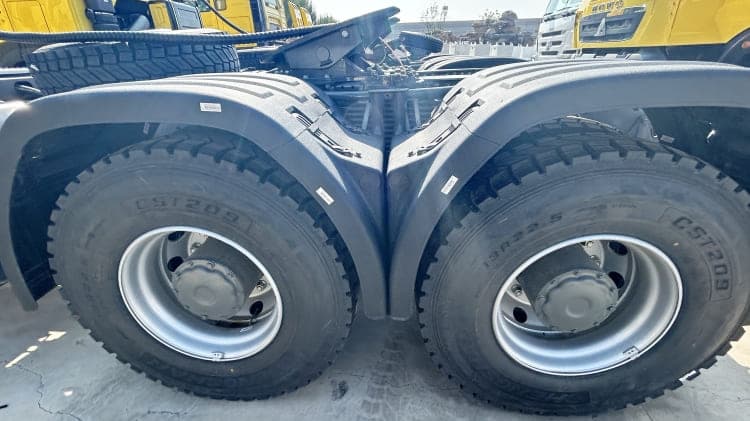
Final functional acceptance and road validation
The fully built truck enters final acceptance testing. This includes static functional checks for leaks, controls and safety features, followed by structured road testing under representative load conditions. The road test confirms that all systems work together as one integrated vehicle. It is important to understand its role: this is confirmation, not the primary defect filter. Most material and component risks were already eliminated during NDT and bench testing. Any anomaly found here triggers rework and retest.
Dossier compilation, certification and warranty activation
After passing all acceptance criteria, the full reman dossier is compiled and locked to the VIN. It contains intake screening records, disassembly logs, cleaning records, NDT reports, component grading sheets, bench test results, calibration data and final acceptance sign‑off.
Only once the complete audit trail is ready is the REMAN ROAD certification issued and the standard warranty activated. The buyer receives a copy of this dossier at handover for fleet records, insurance, audits and future resale.
Delivery and handover
The final stage is formal handover to the fleet or buyer. Alongside the vehicle, the supplier explains warranty boundaries, recommended service intervals and how to access the asset’s inspection records. This closes the certified reman workflow. The truck is no longer defined by its original factory age and mileage. It becomes a reset circular asset with a documented, predictable new operating cycle.
Closing
From intake screening all the way to dossier handover, the certified reman workflow is built on sequential, gated validation. No single test or check can compensate for skipping earlier stages. For fleet procurement teams, understanding this sequence gives you a clear benchmark to evaluate suppliers. If a vendor cannot describe or provide proof for each of these certified reman workflow steps, their “remanufactured” truck is likely just an overhaul or cosmetic refurbishment, carrying unquantified operational risk.