The Simple Economics Behind Choosing Remanufactured Trucks Over New Trucks
Intro
At first glance, new heavy trucks seem appealing: zero operating hours, full factory warranty and the latest OEM specifications. But the straightforward economics of fleet ownership often favour qualified remanufactured trucks alternatives. This choice is not about cutting corners; it is about matching asset cost to business needs. The core math hinges on capital outlay, depreciation speed, revenue generation and total cost of ownership over the planned holding period.
Lower upfront capital and lighter financing load
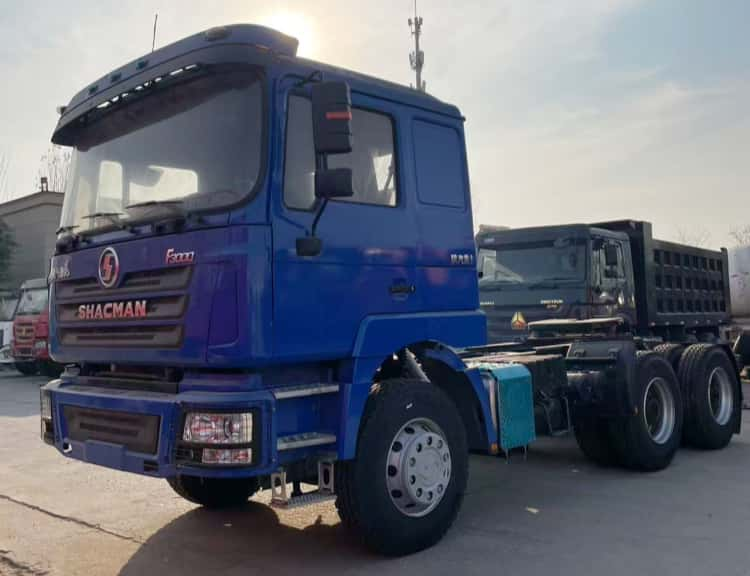
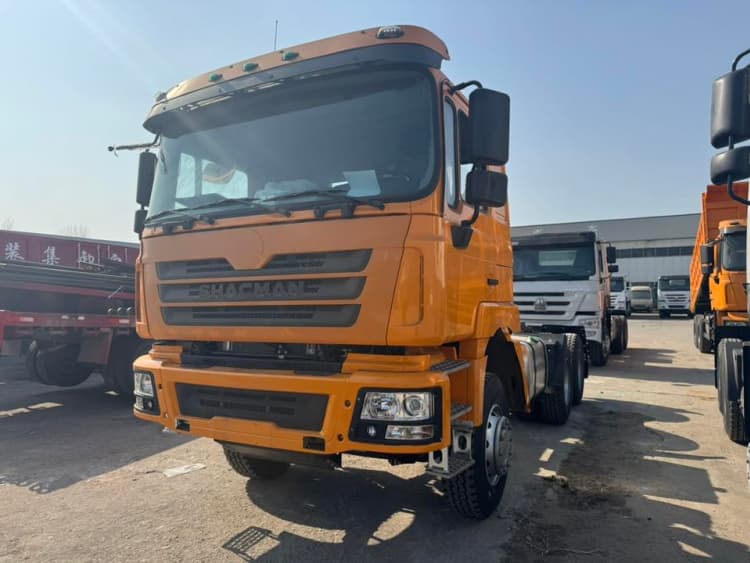
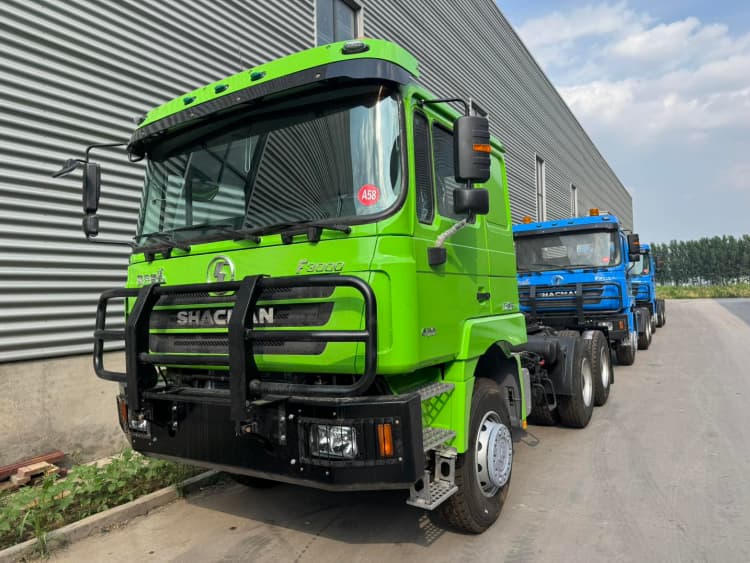
New trucks require a large initial investment or substantial loan principal. This locks up working capital that contractors often need for fuel, payroll, tender bonds and site mobilisation. Verified remanufactured trucks deliver nearly equivalent hauling capacity at a far lower acquisition price. Monthly lease or loan repayments are smaller, easing cash flow pressure. For contractors operating on progress payments, this lets them mobilise capacity sooner without overextending credit lines.
Slower depreciation curve in the early years
New heavy trucks suffer steep immediate depreciation the moment they leave the dealer lot. A large share of the new value vanishes before the truck turns a single load. Qualified remanufactured trucks have already passed that sharp depreciation drop. Their value declines more gradually and predictably, especially when backed by a complete traceability dossier. When the fleet resells or rotates the asset later, the loss between purchase and resale is much smaller.
Matching asset life to project timelines
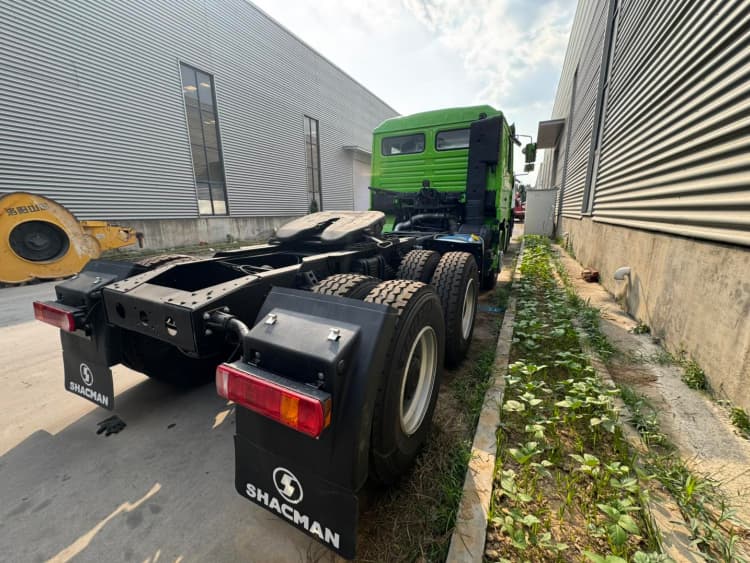
Many bulk haulage and mining contracts have defined lifespans of 2–4 years. Buying a new truck for a fixed-term project means paying for a long service life the business will never fully use. Verified remanufactured trucks with a validated remaining service life fit this timeline perfectly. The fleet pays only for the capacity it needs for the contract, rather than overinvesting in extra asset longevity. This is one of the most underrated economic advantages for project-based fleets.
Comparable uptime with controlled maintenance spend
Premium new trucks have reliable performance, but their service parts and scheduled factory maintenance carry premium pricing. Qualified remanufactured trucks built to OEM-aligned standards eliminate latent defects through NDT screening and pre-delivery load testing. They deliver stable uptime, while routine service costs stay lower. The fleet avoids the premium pricing attached to new OEM service packages while maintaining predictable maintenance budgets.
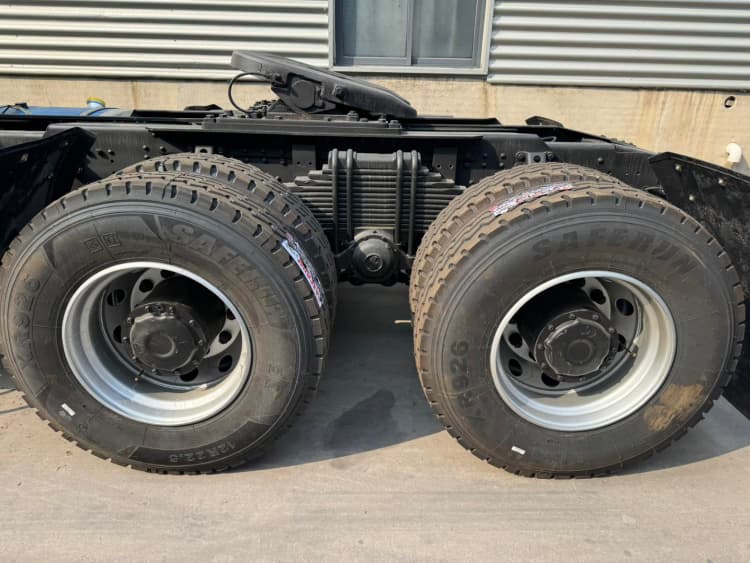
Final takeaway
The simple economics of reman boil down to avoiding overspending on unused asset lifespan, reducing cash flow strain and limiting painful early depreciation. For fleets focused on haulage throughput and controlled TCO, qualified remanufactured trucks offer a financially efficient alternative to new units, as long as the rebuild scope, testing and documentation meet consistent benchmark standards.