How to Spot Outdated Thinking About Used Heavy Vehicles?
Intro
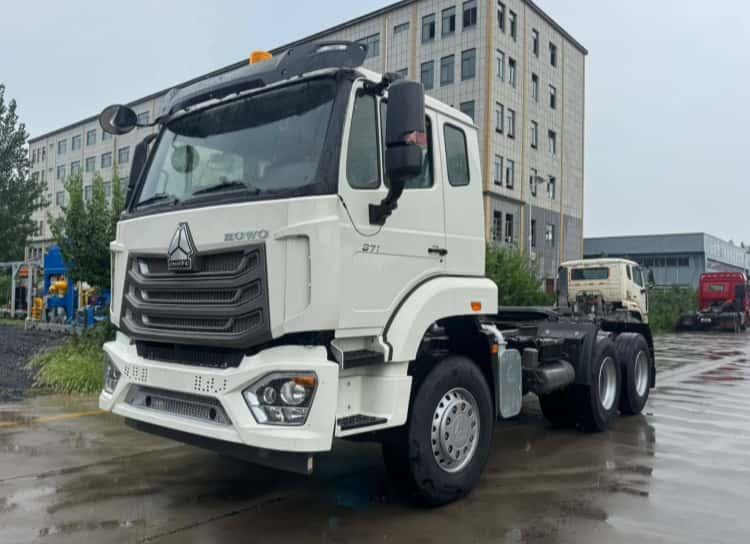
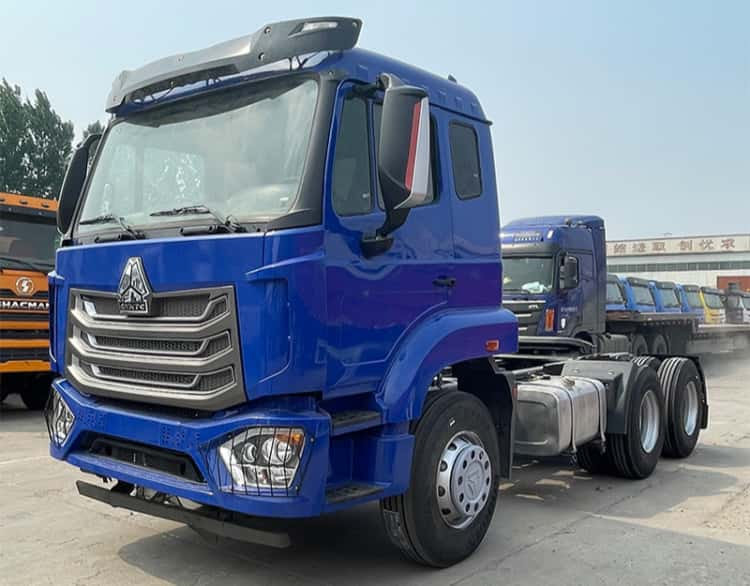
Many fleet leaders, procurement officers and equipment traders still carry mental frameworks formed in an used heavy vehicles market — a market dominated by visual checks, seller verbal promises and upfront price haggling. Those rules worked when tenders had loose safety requirements, ESG was irrelevant, traceability did not exist and downtime cost was rarely quantified.
Today, these ways of thinking have become outdated liabilities. They lead to bad buying decisions, tender disqualification, unexpected insurance surcharges and poor full-lifecycle returns. Recognising these outdated patterns helps teams adopt the evaluation logic aligned with REMAN ROAD validated remanufacturing and modern fleet asset management.
“The lowest upfront price is automatically the best deal”
This is the most pervasive outdated assumption. Old-school procurement reduces vehicle selection to invoice comparison only, treating maintenance, downtime risk, residual value and liability as secondary, unquantifiable afterthoughts.
Modern reality: A cheap used or refurbished truck can generate far higher TCO. Its hidden costs include emergency repairs, lost haul revenue during stoppages, insurance risk premiums, weak resale value and audit non-compliance. Current best practice compares total lifecycle cost, not just first cost. When someone refuses to model downtime and contingency spend, that is a clear sign of outdated thinking.
“If it runs well on a test drive, it is a good truck”
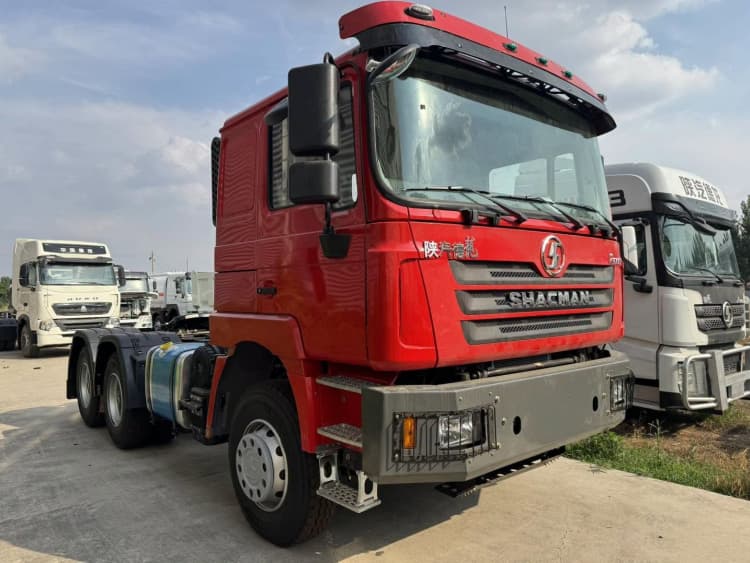
The test-drive-only mindset assumes visible operation equals sound structural and mechanical health. This logic ignores subsurface fatigue: frame rail cracks, axle housing material degradation, hidden crankshaft flaws and brake calibration drift that do not reveal themselves in a short, low-load demo.
Modern reality: Heavy asset fitness relies on NDT, bench testing, dimensional inspection and standardised pass/fail criteria. A smooth test drive is only one minor data point, not proof of integrity. Relying on subjective driving feel to judge a heavy truck is legacy thinking.
“Remanufactured is just a fancy word for used/refurbished”
Outdated thinking lumps together lightly repaired stock, salvage rebuilds, cosmetic refurbishment and true lifecycle reset remanufacturing into one identical high-risk bucket. It either dismisses all reman as overpriced “painted used trucks”, or treats every seller’s “remanufactured” label as equally valid.
Modern reality: Authentic lifecycle reset remanufacturing follows a formal disassembly, core validation, component renewal and testing workflow, with traceability and warranty. There is a material difference between patch refurb and REMAN ROAD validated remanufacturing. Failure to draw this distinction shows a lack of awareness of the new market segmentation.
“Paperwork and traceability are just extra sales fluff”
Older market participants view inspection logs, VIN-linked records and audit trails as unnecessary add-ons, something suppliers create only to justify higher pricing. They argue “we have always bought trucks without files”.
Modern reality: Traceability has become a baseline expectation for tender pre-qualification, insurance underwriting, cross-border clearance and ESG reporting. Without records, the asset becomes hard to finance, hard to resell and vulnerable to liability disputes. Dismissing documentation as marketing fluff signals outdated risk perception.
“Warranty is not important; our workshop can fix anything”
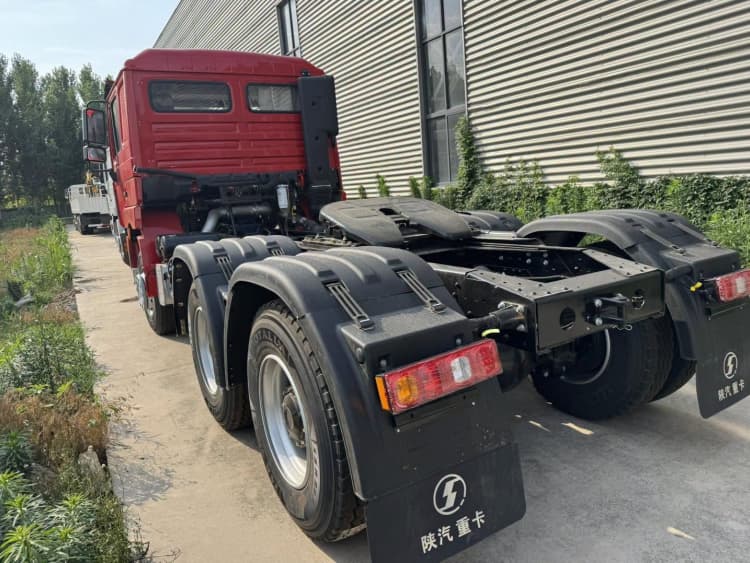
This mindset assumes in-house maintenance capacity eliminates the need for supplier accountability. It overlooks the scale of catastrophic core-assembly failures — cracked frames, seized powertrains — whose repair costs can overwhelm workshop budgets and create long downtime.
Modern reality: A structured reman warranty caps open-ended failure risk and supports predictable budgeting. Internal maintenance teams are optimised for scheduled service, not absorbing unbudgeted major process-defect repairs. Confidence in in-house capability is valuable, but dismissing warranty risk transfer is an outdated risk-management habit.
“Resale value is too far in the future to worry about now”
Legacy procurement treats resale as an afterthought. The priority is solving today’s capacity shortage, with no plan for asset rotation, exit timeline or secondary-market buyer eligibility.
Modern reality: Professional fleet portfolios are built with a defined holding cycle. A truck’s residual value directly reduces net depreciation and TCO. Documented validated remanufacturing holds a predictable resale premium, while undocumented stock often becomes stranded inventory. Ignoring exit strategy at purchase is a classic old-school blind spot.
“ESG and carbon reporting do not apply to our equipment buys”
This view is common among buyers who have historically operated outside formal tender or corporate sustainability rules. They see fuel efficiency as the only environmental factor and view embodied carbon, core reuse and circularity as irrelevant marketing trends.
Modern reality: Scope 3 supply-chain reporting, multilateral project sustainability clauses and investor ESG screening now reach heavy haul fleets. Even if a fleet does not publish its own report, its clients may require equipment-level sustainability evidence. Dismissing circularity and embodied carbon is rapidly becoming outdated.
“All rebuilt trucks get the same insurance and financing terms”
Older operators assume any running heavy truck will qualify for standard commercial insurance and fleet loans. They fail to recognise that underwriters and lenders now use inspection records, grading and rebuild documentation to tier risk.
Modern reality: Salvage rebuilds and unlabelled refurb stock attract surcharges, restrictive stated-value policies or financing rejection. Certified, traceable lifecycle reset remanufacturing sits in a separate, more favourable risk bucket. Not understanding this pricing split is a sign the person has not updated their underwriting knowledge.
“We can accept inconsistent quality if the batch is cheap enough”
This thinking accepts unit-to-unit variability as an unavoidable feature of buying used heavy vehicles. For legacy buyers, random reliability variance is just part of owning second-hand equipment.
Modern reality: Standardised validated remanufacturing removes arbitrary quality spread across bulk lots. Consistent performance supports unified maintenance schedules, KPI forecasting and bulk warranty administration. Accepting unpredictable unit quality as normal is a holdover from the unregulated old secondary market.
Closing
Outdated thinking about used heavy vehicles all shares one core trait: it judges assets from the buyer’s immediate, short-term perspective, rather than from the full-lifecycle, audit-ready, risk-quantified framework of modern fleet governance. These old assumptions were formed in a market with fewer accountability requirements.
Recognising them helps procurement and fleet teams avoid costly missteps and evaluate REMAN ROAD certified validated remanufacturing on its actual merits: predictable uptime, traceability, stable TCO and eligibility for the increasingly strict rules shaping today’s heavy transport sector.